It usually doesn’t start with a clear plan. Someone just wants a quick break from Delhi and Himachal comes to mind because it feels reachable. Then ideas start coming in — maybe Shimla, maybe Manali, maybe both — but no one is really thinking about how the trip will flow.
Most people looking for a Himachal tour package from Delhi already have a few places in mind, but the clarity is missing. Some are chasing snow, some want a relaxed café kind of trip, and some just don’t want too much travel.
That’s where things get mixed up. What looks like a simple plan slowly turns into something packed and tiring. The better way to start is not with destinations, but with what kind of trip you actually want.
Why Himachal Means Different Things to Different Travellers
Himachal sounds like one destination, but people imagine completely different trips when they say it. Some are thinking about snow and activities in Manali, others picture a slow café stay in Kasol, and a few just want a simple hill station like Shimla.
The issue starts when all these ideas get combined into one plan. What people don’t realise is that each of these places has a different pace and travel time. Trying to mix everything in a short trip usually leads to constant movement.
While planning a Himachal trip from Delhi, it helps to first decide what kind of experience you want. Once that’s clear, choosing the right place becomes much easier.
Why Covering Too Many Places in Himachal Doesn’t Work
This is something most people realise only after the trip begins. While planning, it feels easy to add Shimla, Manali, Kasol, sometimes even Dharamshala, because everything looks close on the map. But once you’re actually travelling, it feels very different. The distance between these places takes time — Shimla to Manali alone is around 7–8 hours, and hill roads are not like highways, so even short distances feel longer.
Another thing people don’t expect is fatigue. Packing every morning, long drives, reaching late, then again starting early the next day — it slowly takes the fun out of the trip. Even sightseeing starts feeling like a task instead of something you enjoy.
When planning a Himachal tour package from Delhi, it usually works better to pick 1 or 2 places and spend proper time there. You get to explore at your own pace, try local cafés, and actually relax — which is the whole point of going to the mountains.
What People Actually End Up Booking (And Why It Works Better)
After a few conversations, plans usually start getting simpler. At BYO Tour Packages, our team has seen this pattern many times — people begin with 4–5 places in mind, but once we break down travel time and flow, they naturally settle on something more practical.
The most common plan we end up suggesting is Shimla + Manali for 5–6 days. It balances travel and experience, and doesn’t feel rushed. For shorter trips, we usually recommend sticking to just Manali or just Shimla, depending on what the person wants — snow, cafés, or just a quiet break.
For those who have a bit more time, we sometimes add Kasol, but only if the route makes sense. Otherwise, it just becomes extra travel without much value.
We don’t try to fit everything into one itinerary. Instead, we focus on what actually works on ground. That’s usually what makes the trip feel smooth rather than packed.
How People Actually Travel from Delhi to Himachal
Travel usually gets decided after the plan, but honestly, it affects the trip more than people expect. Most people going for a Delhi to Himachal road tour end up choosing between Volvo buses and private cars. Flights sound like an option, but they don’t really save time for most routes.
Volvo buses are the most common choice, especially for Manali. You leave Delhi in the evening and reach by morning. It works well for couples or small groups who just want a straightforward journey. At BYO Tour Packages, we suggest this when the plan is simple and doesn’t involve too many stops.
Private cars are more comfortable, especially for families. You can take breaks, adjust timing, and the journey feels less hectic. But it also depends on how much time you have, because road travel in the hills takes longer than expected.
Self-drive is something people consider, but unless you’re used to hill driving, it can get tiring quickly. Timing, more than the mode, is what usually decides how smooth the travel feels.
Best Places to Visit in Himachal From Delhi (What Each Place Actually Feels Like)
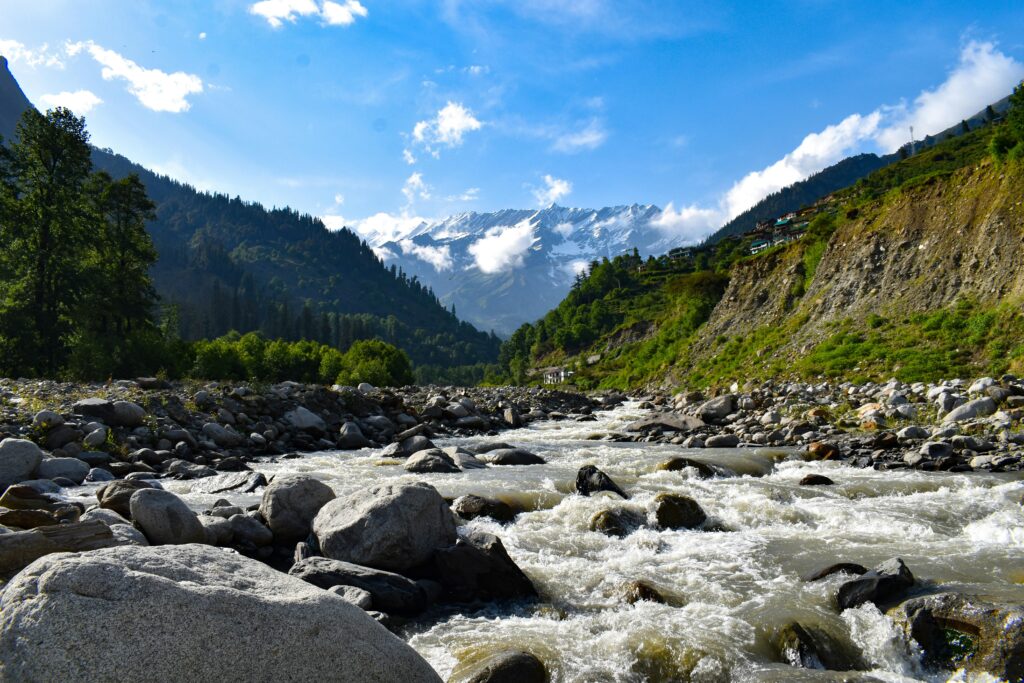
Himachal looks simple when you’re planning, but once you reach, every place feels completely different. That’s where most people get it wrong. Some locations are busy and activity-driven, some are slow and quiet, and some don’t even have typical sightseeing. At BYO Tour Packages, we usually see people trying to mix everything in one trip, which doesn’t really work on ground. The better approach is to understand what each place offers and choose accordingly. When someone plans a Himachal holiday package from Delhi with clarity of experience, the trip feels smoother, less rushed, and actually enjoyable instead of just moving from one place to another.
Shimla
Shimla is usually the first choice because it’s easy from Delhi. But it’s not a quiet hill escape anymore. It feels more like a busy town in the mountains. Mall Road stays crowded, especially evenings, and most sightseeing is walking-based. Kufri is nearby, but it’s more of a quick visit than a full-day experience. Works best for 2–3 day relaxed trips, not for people expecting complete peace.
Manali
Manali feels more like a “proper” mountain destination. It has variety — Solang Valley for activities, Atal Tunnel for drives, Old Manali for cafés. You don’t get bored easily here. But peak season gets crowded, and travel time from Delhi is long. People who enjoy Manali the most are the ones who don’t try to rush through everything in 2 days.
Kasol
Kasol is not about sightseeing, and that’s where expectations go wrong. There are no “points” to cover. It’s more about staying near the river, sitting in cafés, and doing small walks to nearby villages like Chalal or Tosh. Nights are quiet, mornings are slow. If someone is expecting structured sightseeing, they usually don’t enjoy Kasol.
Dharamshala & McLeodganj
This side feels calmer compared to Shimla and Manali. McLeodganj has cafés, monasteries, and a mix of tourists and long-stay travellers. Triund trek is the main highlight for many. It’s not activity-heavy, but the overall vibe is more peaceful. Travel time from Delhi is long, so it works better when people stay at least 3–4 days.
Bir Billing
Most people go paragliding, but the place itself surprises them. It’s quiet, less commercial, and has a different crowd — more laid-back travellers. After the activity, people usually spend time in cafés or just walking around. It’s not a place for packed itineraries, more for slowing down.
Dalhousie & Khajjiar
Dalhousie feels like an old-style hill station. Not too crowded, not too many activities. Khajjiar is a small meadow, but people enjoy the open space and short visits there. It’s more about calm stays rather than exploring multiple spots. Works well for families or people avoiding crowds.
Spiti Valley
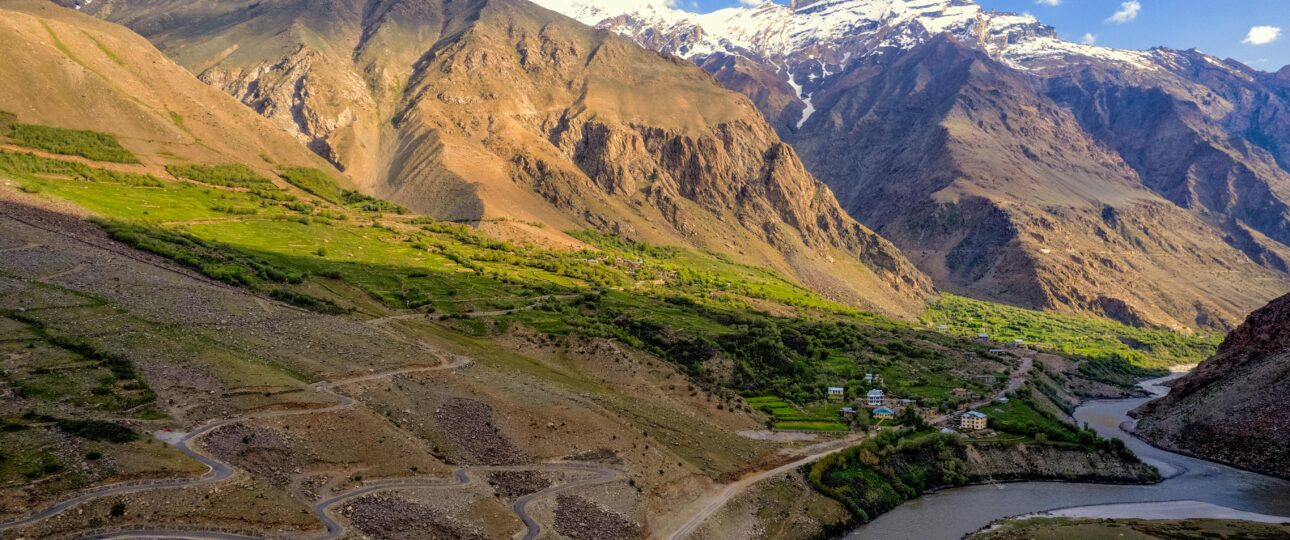
Completely different from the rest. This is not a “relaxation” trip. Long drives, basic stays, limited network — but the landscape makes up for it. People who go here usually plan properly and know what they’re signing up for. Not ideal for short trips or first-time hill travellers.
Kasauli
Kasauli is more of a quick escape than a destination. Very close to Delhi, quiet, and simple. No major sightseeing, just walks, views, and peaceful stays. Good for 2-day breaks when you don’t want to travel too far.
Best Time to Visit Himachal (What Actually Works Month by Month)
Timing changes more than people expect in Himachal. The same place can feel completely different depending on when you go. At BYO Tour Packages, we’ve seen people book without thinking about weather and then realise the experience isn’t what they expected. Snow, crowds, road conditions — everything depends on the month. When someone plans the best time to visit Himachal from Delhi, it usually works better to match the timing with what they actually want — whether it’s snow, comfortable weather, or fewer people. Choosing the right month makes the trip smoother, while the wrong timing can make even a good plan feel off.
December to February
This is when most people plan for snow. Manali and nearby areas stay cold, often dropping below 0°C in peak winter. Snowfall is common, but travel can slow down. Heavy woollens are a must.
March to April
The weather is starting to improve. Days feel pleasant, around 10–20°C, and nights are still slightly cold. Snow begins to melt, and places look fresher. Good time for balanced travel.
May to June
Peak season. The weather stays comfortable (15–25°C), which is why most people travel during this time. But the crowd increases, especially in Shimla and Manali, and bookings need to be done early.
July to September
Weather becomes unpredictable. Light to moderate rainfall in many areas. Temperature stays moderate, but travel plans can get affected due to road conditions in some regions.
October to November
This is a quieter phase. The weather becomes cooler again (10–18°C), skies stay clear, and travel feels smoother. Less crowd makes it easier to plan without pressure.
Most people searching for the perfect season to plan a Himachal trip from Delhi realise that choosing the right month matters more than just choosing the destination.
6 Days Manali + Kasol Plan (With Real Travel Flow)
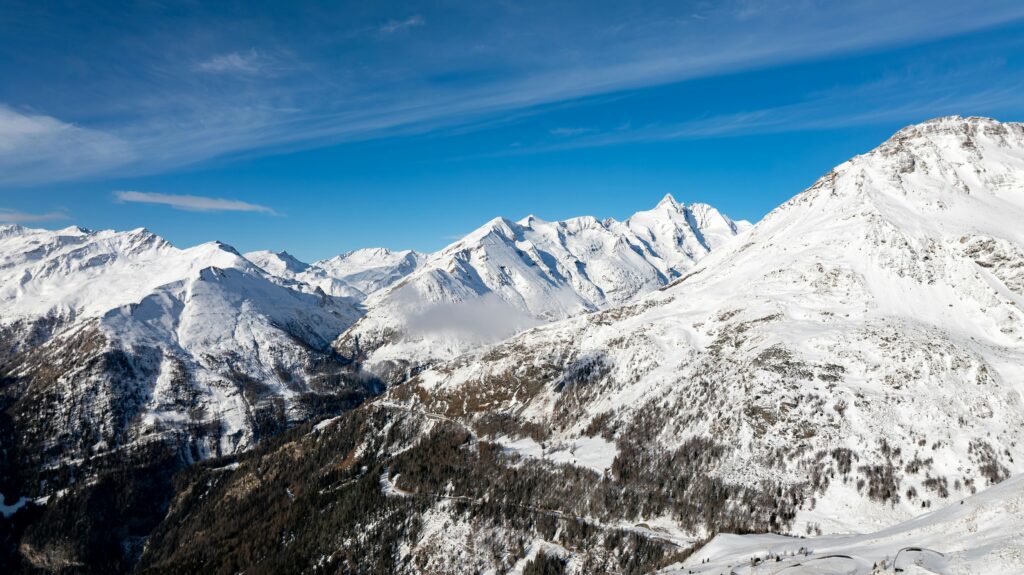
Day 1: Delhi to Manali (Overnight Travel)
- Departure from Majnu Ka Tila / RK Ashram / Kashmiri Gate (depends on operator)
- Volvo timing usually between 5 PM – 8 PM
- Overnight journey (12–14 hours approx.)
- Dinner stop on the way
Day 2: Manali Arrival & Hotel Check-in
- Reach Manali in the morning (around 7–10 AM near Mall Road/Volvo stand)
- Pickup from same point and transfer to hotel
- Hotel check-in between 12–2 PM (early check-in depends on availability)
- After some rest, visit:
- Hidimba Devi Temple
- Manu Temple (Old Manali)
- Van Vihar (optional)
- Evening at Mall Road (cafés, shopping)
- Return to hotel by evening
Day 3: Solang Valley / Rohtang Pass Option
- Breakfast at hotel, leave around 9 AM
- Visit Solang Valley (activities at your own cost)
If Rohtang Pass is part of your plan:
- It requires a separate permit + separate taxi (union vehicle)
- Outside vehicles are not allowed beyond a point
- The cost is separate and usually varies based on season and how easily slots are available.
- Usually needs to be planned one day in advance
- On return, stop at:
- Jogini Waterfall (short walk)
- Vashisht Temple & Hot Springs
- Back to hotel by evening
Day 4: Manali to Kasol Transfer
- Breakfast and checkout from Manali hotel
- Start for Kasol (approx. 3–4 hours)
- Common stops on the way:
- Kullu shawl factory
- Bhuntar
- Reach Kasol, hotel check-in around 1:30–3 PM
- Relax near Parvati River
- Evening café hopping and local market
Day 5: Kasol + Manikaran + Departure
- Morning free — walk to Chalal village or explore Kasol
- Visit Manikaran Sahib (hot springs + gurudwara)
- Return, freshen up, pack luggage
- Late checkout till 2 PM (if available), otherwise luggage at reception
- Evening free — sit by river or cafés, no rush
- Departure for Delhi from Kasol/Bhuntar Volvo point around 4:30–5 PM
- Overnight journey
Day 6: Arrival in Delhi
- Reach Delhi by morning (6–9 AM approx.)
- Trip ends
Experience the Festivals of Himachal Pradesh (When the Place Feels Different)
Most people don’t time their trip around festivals, but when it happens, the whole experience shifts. Places feel more alive, not just scenic. During a budget Himachal trip from Delhi, these moments often become unexpected highlights because you see how locals actually celebrate, not just how tourists move around. Streets get busier, temples become the centre of activity, and even small towns feel different. It’s not about adding festivals to your plan, but if your dates match, it adds something real to the trip that regular sightseeing doesn’t offer.
Kullu Dussehra
Kullu Dussehra doesn’t follow the usual pattern seen in other parts of India. Instead of Ravana burning, it focuses on local traditions where deities from nearby villages are brought together. The entire town gathers, and the atmosphere feels more cultural than festive in a loud way. Markets stay active, processions move slowly, and people actually participate rather than just watch. Anyone doing a Manali Shimla tour package from Delhi during this time usually ends up spending an extra day here because the vibe is very different from normal days.
Winter Carnival (Manali)
Held around January, this happens right in the middle of peak winter. What makes it different is the setting — snow all around, and events happening in the open. You’ll see local performances, small food stalls, and cultural shows happening near Mall Road and nearby grounds. It doesn’t feel like a commercial event, more like something locals enjoy along with tourists. People who visit Manali during this time often don’t plan for it, but end up spending their evenings here instead of regular sightseeing.
Losar Festival (Spiti & Dharamshala Side)
Losar marks the Tibetan New Year and is mostly celebrated in Buddhist regions like Spiti and parts of Dharamshala. It’s quieter compared to other festivals, but more meaningful. Monasteries become active, rituals take place, and the entire atmosphere feels calm but festive. It’s not something you’ll find heavily promoted, which is why it feels more authentic. Travellers who happen to be around during this time usually notice a completely different side of Himachal that isn’t visible otherwise.
Shivratri (Mandi)
Mandi’s Shivratri is known for bringing together a large number of local deities in one place. The town becomes the centre of activity for a few days, with rituals, gatherings, and local celebrations happening throughout. It’s less about tourists and more about tradition. Streets stay busy, temples are active, and there’s a strong cultural presence everywhere. People who pass through Mandi during this time often end up stopping longer than planned.
Local Village Fairs
These are not listed anywhere, and that’s what makes them interesting. Small fairs happen across villages, especially during certain months. No fixed structure, no heavy crowd — just local people, small stalls, music, and gatherings. If you come across one during your trip, it usually becomes a memorable part of the journey because it’s completely unplanned and real.
Local Cuisine of Himachal (What People Actually End Up Eating)
Food in Himachal is not about variety or heavy spices, it’s more about how it’s cooked. Most dishes are slow-prepared, simple, and made in a way that suits the weather. During a Himachal honeymoon package from Delhi, people often notice this difference — meals feel lighter, less oily, and easier to digest even after a full day out. A lot of cooking still follows traditional methods, especially in smaller towns and villages. Ingredients are basic, but the way they’re used is what makes the food different.
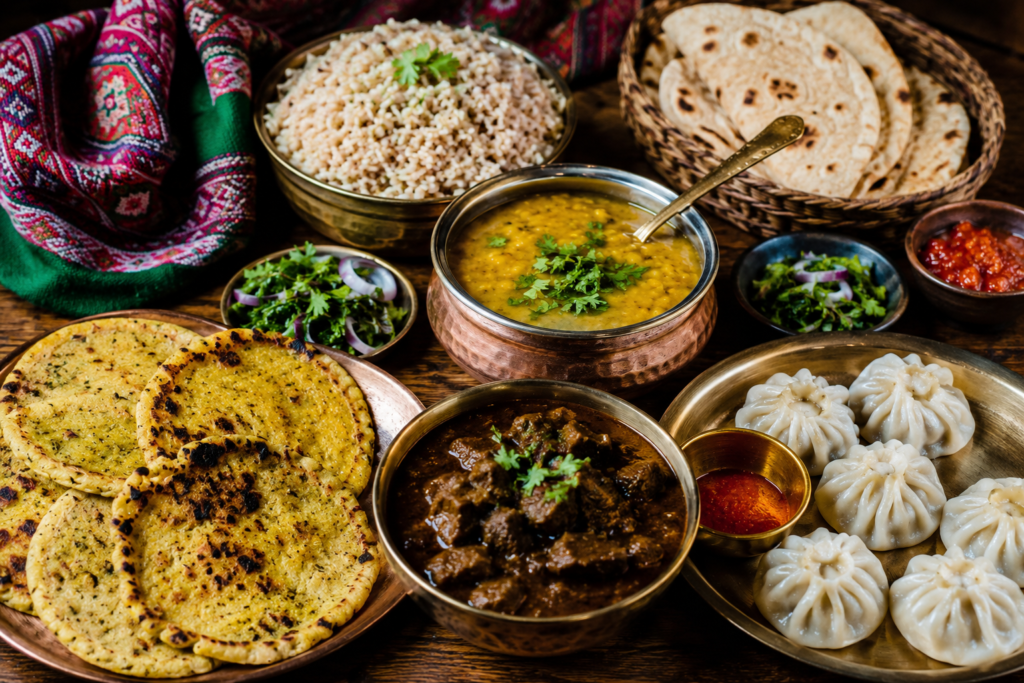
Siddu (Traditional Wheat Bread)
Siddu is made using fermented wheat dough, which is then steamed instead of fried. The stuffing can vary — sometimes plain, sometimes with crushed nuts or lentils. It’s cooked slowly over steam, which gives it a soft texture. Served hot with ghee, it feels heavy but not greasy. Because of the fermentation, it also has a slightly different taste compared to regular bread.
Dham (Complete Himachali Meal)
Dham is cooked by local chefs called “botis” using traditional methods, usually on wood fire. The entire meal is prepared in large vessels, and dishes are made one after another in a sequence. There’s no onion or garlic in many preparations, and the spices are mild. The focus is more on balance and slow cooking rather than strong flavours.
Madra (Chana-Based Dish)
Madra is cooked using soaked chickpeas and a thick yogurt-based gravy. It’s slow-cooked on low flame so the yogurt doesn’t split. Spices like cloves, cinnamon, and cardamom are used, but in controlled quantities. The texture becomes thick and creamy without using heavy cream or butter.
Trout Fish (Kullu & Manali Region)
Trout is usually fresh and cleaned right before cooking. It’s lightly marinated with basic spices and either pan-fried or grilled. The cooking is simple to retain the natural taste of the fish. Unlike heavy curries, this is more about freshness than masala.
Babru (Local Snack)
Babru is prepared by filling wheat dough with a spiced black gram mixture and then frying it until crisp on the outside. The filling is mildly spiced, not overpowering. It’s usually prepared fresh in small batches and served hot, which makes a big difference in taste.
Chha Gosht (Traditional Mutton Dish)
This dish is slow-cooked using yogurt as the base. The mutton is simmered for a long time so it becomes soft without needing heavy oil. Spices are added gradually, not all at once, which keeps the flavour balanced instead of too strong.
FAQs (What People Actually Ask Before Booking)
If it’s Shimla or Manali, 4–5 days is usually enough. Less than that feels rushed because travel itself takes time. People who try to do it in 2–3 days mostly spend more time on the road.
Shimla is easier and quicker from Delhi, good for a short Himachal trip from Delhi. Manali feels more like a complete mountain experience. Most people choose Manali if they have extra days.
It really comes down to how you structure your trip.. Overnight Volvo works fine for many people. But if you start late or keep long back-to-back drives, it does get tiring.
Snow is not guaranteed unless you’re travelling in peak winter months. Many people expect snow in March or April and get disappointed. Timing matters more than the place.
Yes, most routes like Shimla and Manali are quite common and safe. Just avoid very tight schedules and late-night unnecessary travel in the hills.
Keep It Easy, That’s When the Trip Actually Feels Good
Most people don’t need a complicated plan for Himachal, they just need a clear one. Trying to fit too many places, chasing every suggestion, or booking in a hurry usually makes the trip feel tiring instead of relaxing. What actually works is keeping things simple — fewer destinations, better stays, and enough time to enjoy each place. A well-planned Himachal tour package from Delhi is not about covering everything, it’s about getting the flow right. When travel, timing, and expectations are aligned, even a short trip feels complete instead of rushed.