The first Kashmir trip usually feels sorted on paper — Srinagar, Gulmarg, Pahalgam, everything lined up. But once you’re actually there, especially during peak time, the experience changes. Traffic near tourist spots, waiting for activities, packed viewpoints — it doesn’t feel like the quiet escape people had in mind. We’ve had travellers tell us the same thing after coming back — the place is beautiful, but the pace feels rushed.
That’s where offbeat Kashmir destinations start coming into the conversation. Not because they’re hidden gems on the internet, but because they offer something the usual route sometimes doesn’t — space, silence, and time to actually enjoy where you are. At BYO Tour Packages, we’ve seen people shift from “cover everything” to “experience properly,” and that’s where these places start making more sense.
10 Offbeat Kashmir Destinations (Where the Trip Actually Feels Different)
Gurez Valley
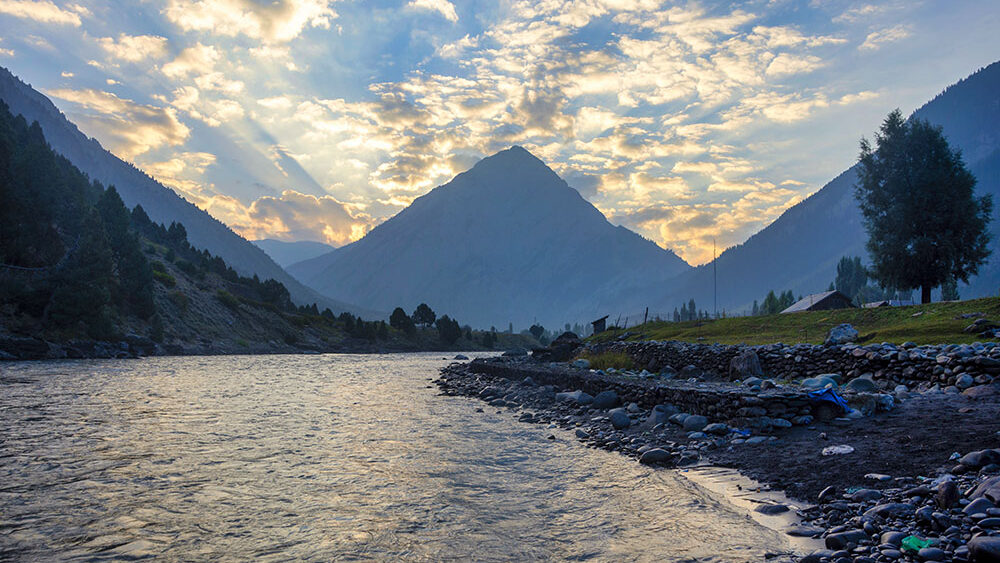
Gurez feels completely removed from the usual Kashmir route. The drive via Razdan Pass itself sets the tone — long, scenic, and slightly demanding. Once you reach, the Kishanganga River flows alongside wide open valleys, with Habba Khatoon peak dominating the landscape. Wooden houses, minimal network, and almost no commercial tourism make it feel untouched. Evenings are extremely quiet, and that silence becomes the main highlight. One of those hidden places in Kashmir where the experience feels raw and uninterrupted especially for travelers exploring beyond the usual Kashmir honeymoon packages.
Turtuk Village
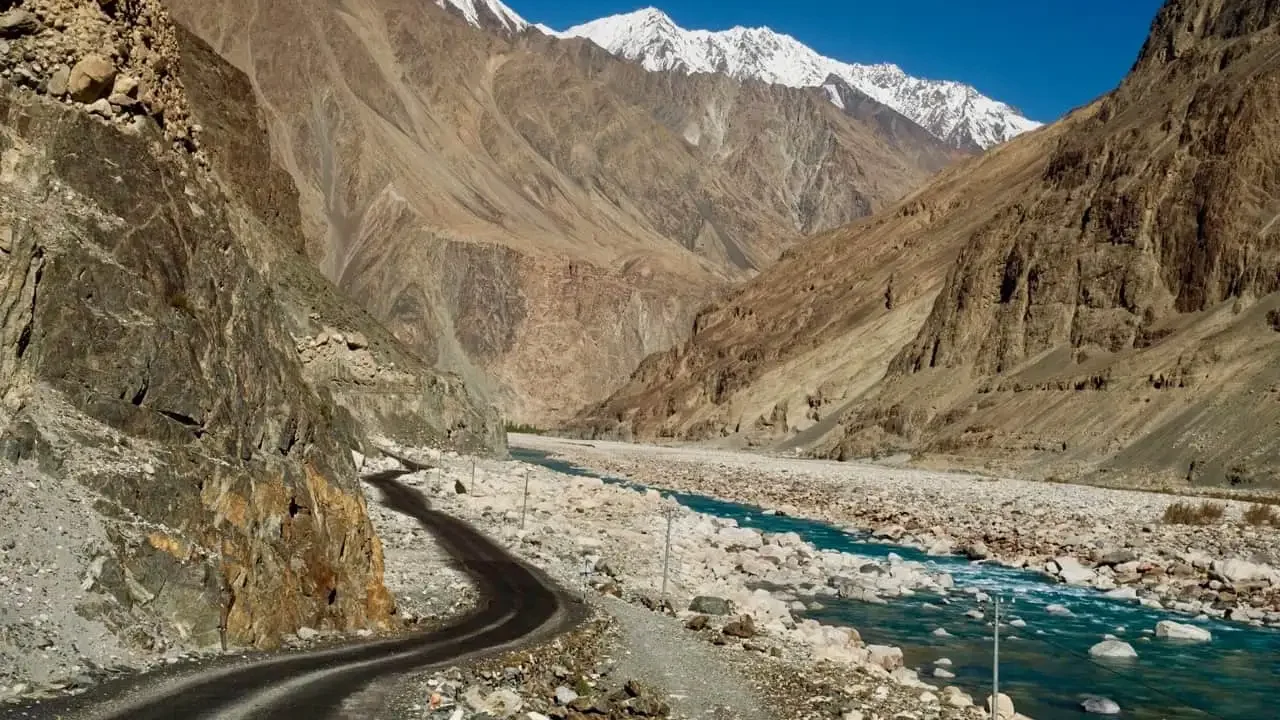
Turtuk stands out not just for its location near the LOC, but for its Balti culture, which feels completely different from the rest of Kashmir. Apricot orchards, narrow stone paths, and traditional homes give it a lived-in feel. People usually walk through the village, interact with locals, and spend time in small cafés. It’s not built for tourism, which is exactly why it feels original. Among unexplored places in Kashmir, this one offers both cultural depth and scenic beauty.
Bangus Valley
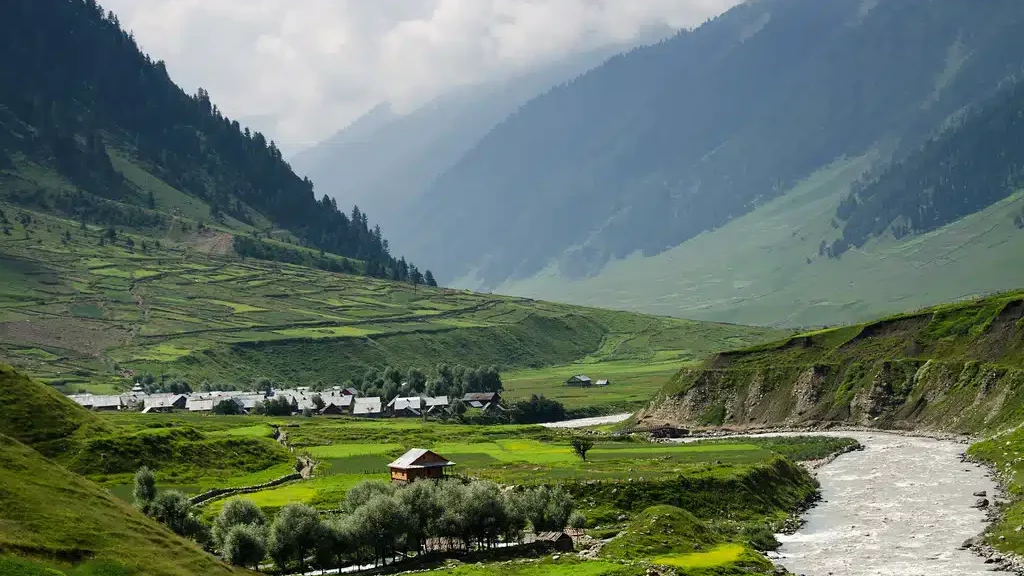
Bangus is known for its vast green meadows that stretch endlessly without interruption. There are no hotels, no structured sightseeing points, and barely any crowd. You’ll mostly see grazing animals, local movement, and open landscapes. The scale of space here is what makes it different. It’s not about doing anything specific, just being there. Naturally, it remains one of the less crowded places in Kashmir where you don’t feel rushed at all.
Doodhpathri
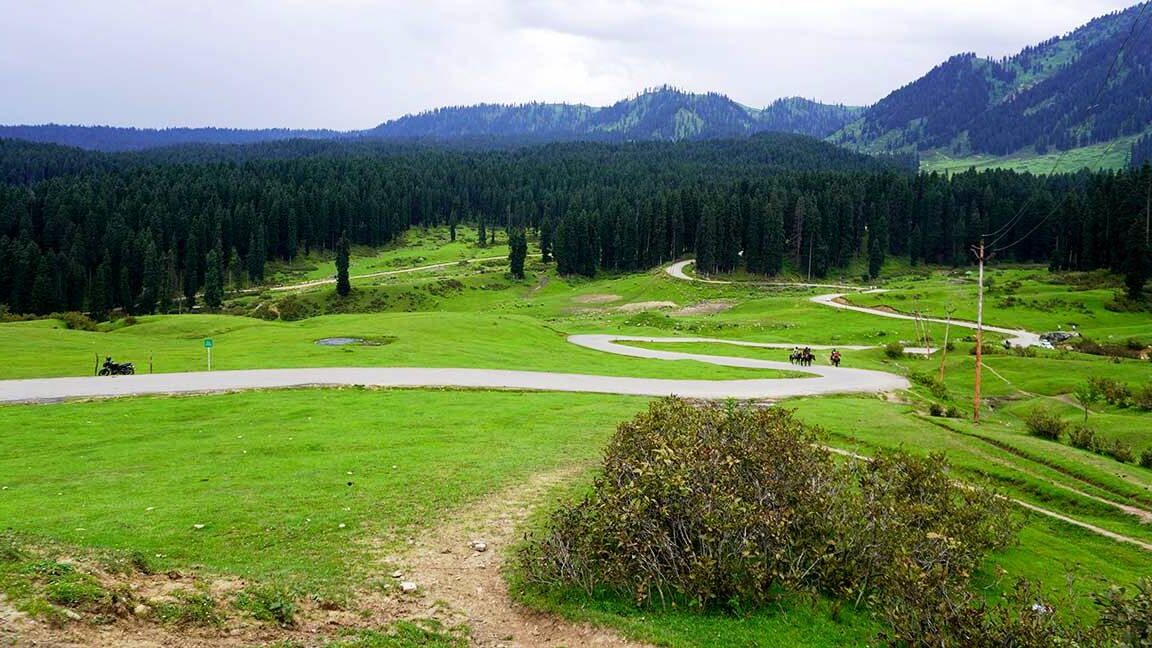
Doodhpathri is often called the “Valley of Milk” because of its milky white streams flowing through green grasslands. It’s relatively easier to reach, which makes it a good offbeat option without long travel. Unlike Gulmarg, it doesn’t feel packed. People usually spend time sitting near the streams or walking around open areas. The simplicity and natural setting are what make it stand out.
Yusmarg
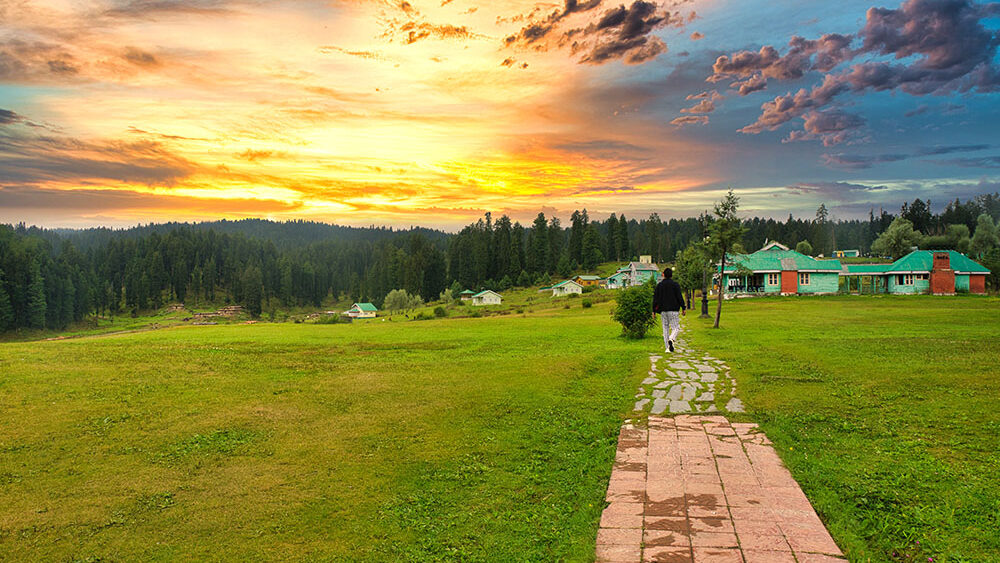
Yusmarg has a very open and calm feel. Pine forests, long stretches of grass, and the Doodh Ganga river nearby create a balanced landscape. It’s clean, less crowded, and not overly commercialised. You won’t find too many activities here, but that’s not the point. It works best for people who prefer quiet over movement.
Lolab Valley
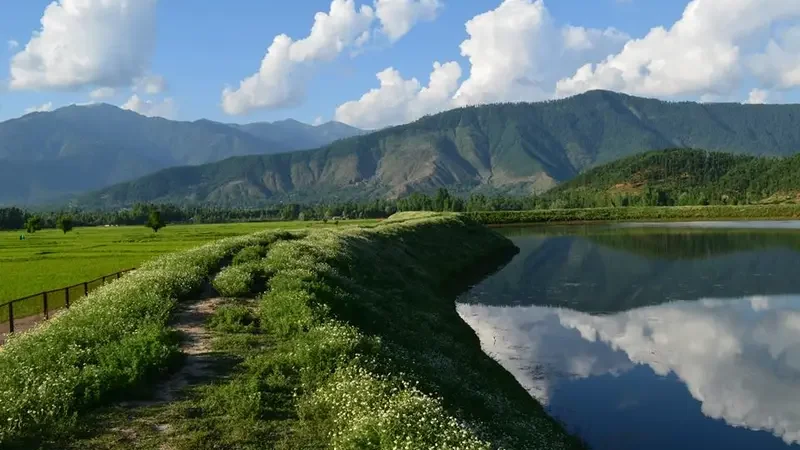
Lolab is more about the overall feel than specific attractions. Dense forests, small villages, and scenic internal roads define the experience. It’s often described as one of the most beautiful valleys, but remains less visited. The mix of greenery and untouched surroundings gives it a raw character that’s missing in more popular spots.
Chatpal
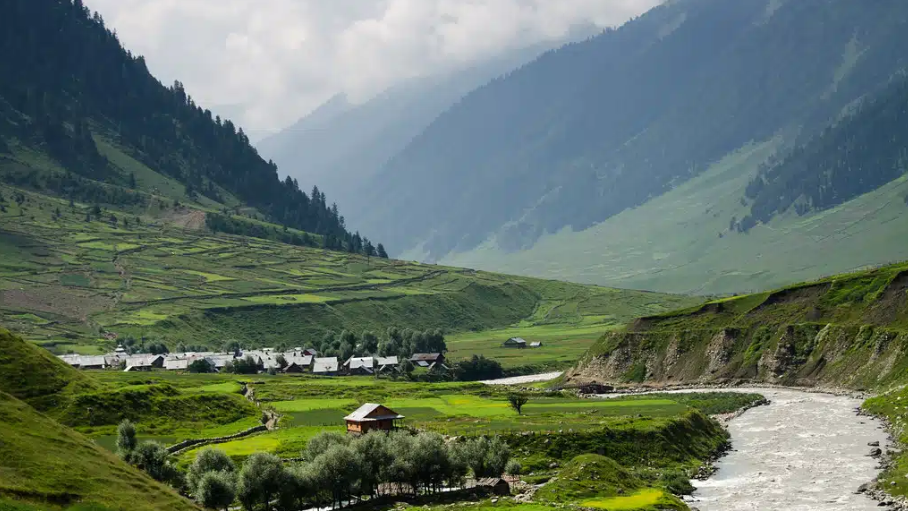
Chatpal is surrounded by forests and feels very minimal in terms of development. Wooden cottages, a small flowing stream, and quiet surroundings define the stay. There’s no sightseeing checklist here. People usually step out, walk a bit, and spend time doing nothing in particular. The simplicity is what makes it peaceful.
Warwan Valley
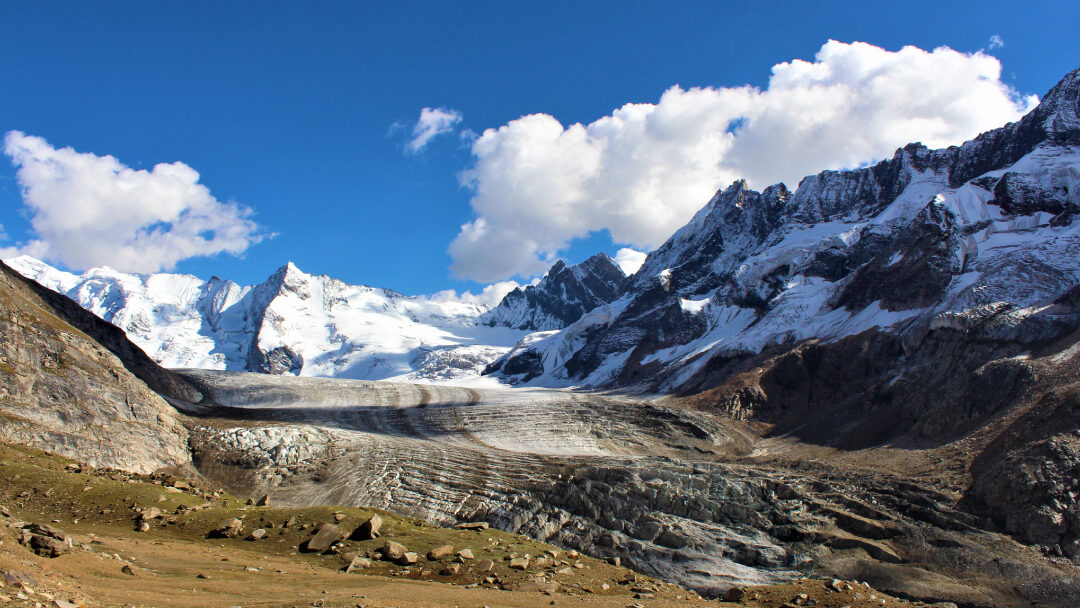
Warwan remains one of the least explored regions, still untouched by regular tourist movement. The journey is long and not always smooth, but once you reach, it opens into wide valleys, rivers, and completely raw landscapes. There’s almost no commercial tourism. It’s not for casual trips, but for those who want something completely different, it stands out.
Aharbal Waterfall
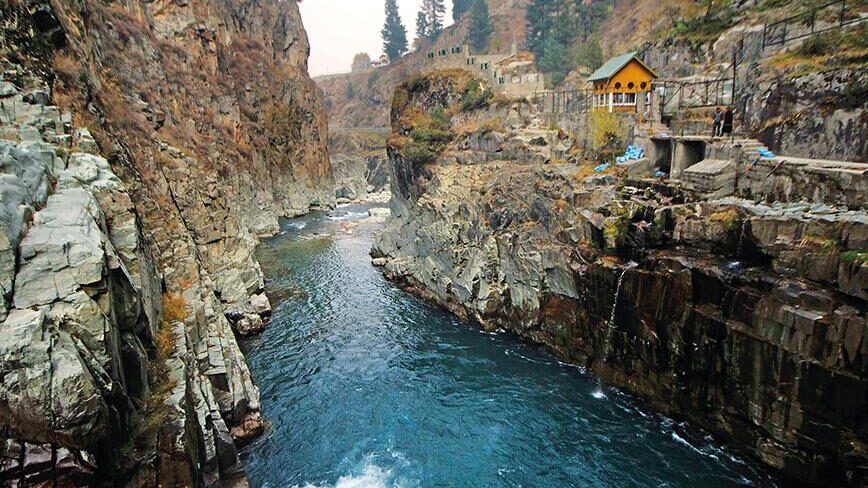
Aharbal is known for its powerful waterfall, often compared to Niagara because of the strong flow. You can hear the sound before you even see it. Surrounded by forest and less crowded than other spots, it gives you space to actually spend time there instead of rushing through.
Karnah Valley
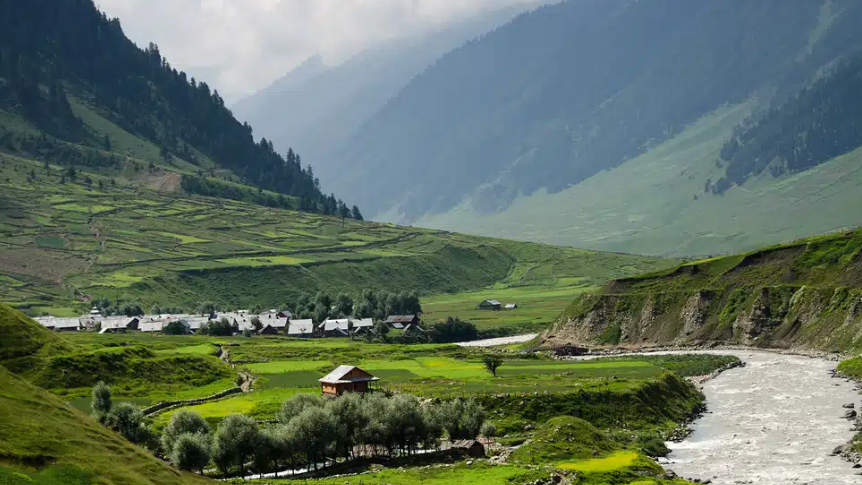
Karnah sits near the border and remains largely unexplored. Terraced fields, wide views, and minimal tourist movement make it feel untouched. The drive itself is scenic, passing through mountains and small settlements. It’s not suited for quick plans, but for those who want to explore something different, it leaves a strong impression.
Who These Places Feel Right For (And When They Don’t Work)
Not everyone enjoys this kind of travel, and we’ve seen that clearly. People who prefer fixed plans, quick sightseeing, and comfortable hotels often feel a bit lost in these locations because things don’t run on a strict schedule.
These places work better for people who are okay with a slower pace. If you don’t mind spending half a day just sitting, walking around, or doing nothing in particular, this kind of trip starts making more sense. That’s where Kashmir offbeat travel feels very different from the usual plan.
It also suits travellers who don’t depend too much on convenience. The network can be patchy, food options can be limited, and stays are often simple. But for many people, that’s exactly what makes the experience feel more real.
Second-time travellers usually enjoy this more. Once someone has already covered the main spots, they start looking for places that feel quieter and less structured. These non tourist places in Kashmir give that kind of space where you’re not following the same route as everyone else.
Where it doesn’t work is when expectations don’t match reality. We’ve seen people expect Gulmarg-level hotels or activities in these locations, and that leads to disappointment. These places are not built for luxury or packed sightseeing.
Another common mistake is trying to combine too much. Adding one offbeat location along with multiple tourist spots usually stretches the plan. Travel increases, time reduces, and the experience starts feeling tiring instead of relaxed.
What usually works better is keeping it simple — one offbeat place, one main base like Srinagar, and enough time in hand. That’s usually how travellers get a more balanced experience instead of following a packed itinerary often seen in regular Kashmir travel packages.
A Simple Route That Actually Works Without Overloading the Trip
This is where most plans start going wrong. Once people discover these places, the instinct is to add more. Two valleys, one village, maybe one more “since it’s nearby.” On the map, it feels doable. On the road, it turns into hours of driving and very little time actually spent anywhere.
What we’ve seen work better is building the trip around one strong base. Srinagar usually works well for this. You stay there, move out for one offbeat location, come back, and keep the plan balanced. It keeps travel under control and gives you breathing space.
For example, Srinagar with Doodhpathri or Yusmarg works if you want something easy and relaxed. If you’re willing to go deeper, Srinagar with Gurez or even Turtuk can be planned, but only if you have enough days in hand.
The difference is simple. In a packed plan, you keep moving and remember the trip. In a simple plan, you stay longer and remember the place.
That’s what most people realise later — fewer places, but better time spent.
When Offbeat Kashmir Destinations Are Actually Worth Visiting
Timing makes a bigger difference here than people expect. These places don’t stay accessible all year, and that’s something many travellers realise only after planning.
From April to June, most of these locations start opening up properly. Roads are clearer, travel is smoother, and it becomes easier to reach places like Gurez, Bangus, or Lolab. This is when people usually plan longer trips without too many restrictions.
July to September is a mixed phase. Some areas look greener and quieter, but travel can slow down due to weather conditions. Plans need to stay flexible during this time.
October is actually a good window if someone wants less crowd and clear views. The rush drops, and places feel even quieter than usual.
Winter changes everything. From November onwards, many of these routes either close or become difficult to access. Places like Doodhpathri or Yusmarg may still be reachable depending on conditions, but deeper locations usually aren’t.
If someone is specifically looking for less crowded places in Kashmir, shoulder months usually work better than peak season.
Where Things Usually Start Falling Apart
This is the part most people don’t realise while planning. Everything looks manageable on the map, and the plan feels sorted. But once the trip starts, small things begin to add up — longer drives, limited options, and less time than expected. It’s rarely one big mistake, but a mix of small ones that make the trip feel rushed instead of relaxed.
- Trying to fit too much into limited days
People assume 2–3 places can be easily covered because they look close on the map. In reality, travel takes longer, and most of the day goes in the car instead of actually experiencing the place. - Treating it like a checklist trip
This approach doesn’t work here. There’s no “cover and move” concept. When people try to follow a tight schedule, they end up missing the whole point of being there. - Choosing places without understanding the route
Some locations look nearby but are not directly connected. This leads to backtracking or long detours, which adds unnecessary travel and fatigue. - Expecting premium comfort everywhere
Many of these places have limited or basic stays. If someone expects luxury setups like Srinagar or Gulmarg, the experience may feel disappointing. - Ignoring travel fatigue
Continuous driving for multiple days sounds manageable while planning, but on ground it becomes tiring. By the third or fourth day, the trip starts feeling heavy. - Underestimating local travel time
Roads in these regions are not always smooth or fast. Even short distances can take longer, which affects the overall plan. - Not checking seasonal accessibility
Some routes remain closed or partially accessible depending on the time of year. Planning without this check can lead to last-minute cancellations. - Assuming food and services will be easily available
Options can be limited, especially in remote areas. People often expect variety and quick service, which is not always the case. - Overplanning every day
When every hour is planned, there’s no room to slow down. These places are better enjoyed without a fixed structure. - Not keeping extra time in the plan
Travel here is not always predictable. Even a small delay due to weather or road conditions can affect the entire schedule and make things feel rushed. - Adding one offbeat place into a packed itinerary
Mixing too much in one plan usually doesn’t work. It stretches the schedule and reduces the quality of the experience. - Going in with the wrong expectations
These places are not about activities or nightlife. They’re about quiet, space, and slower days. If expectations don’t match this, the trip may not feel satisfying.
How to Plan It So It Actually Feels Worth It
Once people understand the mistakes, the plan becomes much simpler. It’s not about adding more places, it’s about choosing better and giving enough time to each.
The easiest way to approach this is to keep one base and one offbeat location. Srinagar works well as a starting point, and then you add one place depending on how much time you have. That way, travel stays manageable and the trip doesn’t feel rushed.
If the plan is short, stick to nearby options like Doodhpathri or Yusmarg. If there are more days in hand, then places like Gurez or Turtuk can be considered. The key is not distance, but how much time you can actually spend there.
Another thing that helps is keeping the plan slightly flexible. Fixed hour-to-hour schedules don’t work well here. A slower plan with some free time usually ends up feeling better.
In the end, it’s not about covering maximum places. It’s about coming back feeling like the trip was actually a break, not just movement from one location to another.
How Budget Actually Works for These Places
This is where a lot of assumptions break. People expect offbeat to mean cheaper, but in many cases, it’s the opposite. Limited stays, fewer transport options, and longer routes can push the cost up even without luxury.
In many of these unique places in Kashmir, pricing depends more on availability than category. You might not find multiple hotel options to compare. Sometimes there are just 1–2 stays, which is why travellers planning with kids or parents often prefer checking properly structured Family Kashmir Packages before finalising remote locations.
Travel also plays a big role. Reaching remote locations often requires private vehicles or local arrangements, which adds to the budget. Shared options are usually limited once you move away from the main route.
At the same time, you’re not spending much on activities, shopping, or crowded tourist setups. The cost shifts more towards travel and stay rather than add-ons.
A simple plan with basic stays and controlled travel can still be manageable. But if comfort, better rooms, or deeper locations are added, the budget increases quickly.
Small Things That Make the Trip Feel Easy
Most people focus on places and routes, but what actually shapes the experience are these small decisions. We’ve seen trips feel smooth or stressful just because of how basic things were handled. These aren’t big changes, but they make a noticeable difference once you’re on the road. When you’re travelling through remote areas, planning a little differently helps avoid unnecessary delays, confusion, or last-minute adjustments. It’s less about doing more and more about doing things right so the trip stays relaxed from start to finish.
- Start early on travel days
Early starts make a big difference in these regions. Roads are clearer, and you reach on time. People who leave late usually end up cutting short their evening or becoming tired. - Keep one base instead of shifting daily
We’ve seen travellers get exhausted just from daily packing and moving. Staying in one place longer makes the trip feel lighter and more enjoyable. - Don’t blindly trust Google timings
Travel here doesn’t work like highways. Roads, turns, and stops increase time. Many people plan tight schedules and then feel rushed when delays happen. - Speak with your stay in advance
Locals often guide better than maps. They tell you what’s actually doable, what to skip, and what’s not worth the effort. - Carry enough cash
A common issue people face is payment failure in remote areas. Having cash avoids unnecessary stress, especially in smaller villages. - Don’t depend fully on network
We’ve seen people struggle with basic navigation due to no signal. Saving offline maps or hotel details helps a lot. - Eat where you’re staying
Many travellers step out expecting multiple food options and come back disappointed. Most good stays provide simple meals, which are usually the safest option. - Avoid travelling after evening
People who try to “cover more” by travelling late often regret it. Roads get quiet, and reaching late just makes the day feel longer. - Keep some flexibility in your plan
Weather or road conditions can change quickly. Fixed plans don’t always work here, and flexibility helps avoid frustration. - Don’t overpack your itinerary
We’ve seen people spend most of their trip in the car just because they added too many places. Fewer stops usually mean a better experience. - Ask about local transport rules
In some areas, outside vehicles are not allowed beyond a point. People realise this on the spot and end up paying extra for local taxis. - Set the right expectation before you go
These places are not about luxury or nightlife. Travellers who understand this beforehand usually enjoy the trip much more.
Small things like these don’t look important while planning, but they decide how the trip actually feels once it begins.
Don’t Overthink It, Just Choose What Fits
By this stage, most people aren’t confused about Kashmir, they’re confused about how to plan it. Too many options, everything looks good, and the instinct is to add more. That’s where plans start getting heavy.
What we’ve seen work better is keeping things simple and realistic. One base, one well-chosen place, and enough time to actually stay there. The trips that feel the best are usually the ones where people didn’t try to cover everything.
Another thing people realise later is that plans don’t need to be perfect. Even if one day is slow or nothing much is “covered,” it often ends up being the most memorable part. Sitting by a river, walking around a quiet village, or just doing nothing — that’s what these places are meant for.
Also, not every place needs to be included in one trip. Leaving something for the next visit actually makes more sense than trying to squeeze everything in.
Simple plans don’t look impressive on paper, but they feel much better once the trip starts.
FAQs People Usually Ask Before Planning
Are offbeat places in Kashmir safe to visit?
Yes, most of them are safe, but it depends on the route and current conditions. It’s always better to check locally before travelling, especially for remote areas.
How many days are enough for these places?
Ideally, 4–6 days if you’re combining one location with Srinagar. Trying to do more in fewer days usually makes the trip feel rushed.
Will I get good hotels in these areas?
Options are limited in most non tourist places in Kashmir. Some have decent stays, but expecting luxury everywhere may not match reality.
Is the network available in offbeat locations?
Networks can be patchy or unavailable in many areas. It’s better to keep offline maps and important details saved in advance.
What is the best time to visit these places?
Summer months are easier for travel. Winters can restrict access to many locations, especially deeper regions.
Can we combine multiple offbeat places in one trip?
Technically yes, but it’s not recommended. It increases travel time and reduces the actual experience of each place.
The Kind of Kashmir You Don’t Forget Easily
Trips like these don’t stand out because of how many places you covered. They stay with you because of how they felt while you were there. No rush, no constant movement, just time that didn’t feel planned every hour. That’s where offbeat Kashmir destinations quietly make a difference.
People often realise this later — the best moments were not part of any itinerary. It was the pause, the silence, or just sitting somewhere without needing to move. Even small things like a slow morning or an unplanned walk end up staying longer in memory.
These places don’t try to impress, and maybe that’s why they work better. You’re not chasing views, you’re actually experiencing them.
In the end, it’s not about doing more. It’s about coming back feeling like you actually took a break, not just completed a trip.