
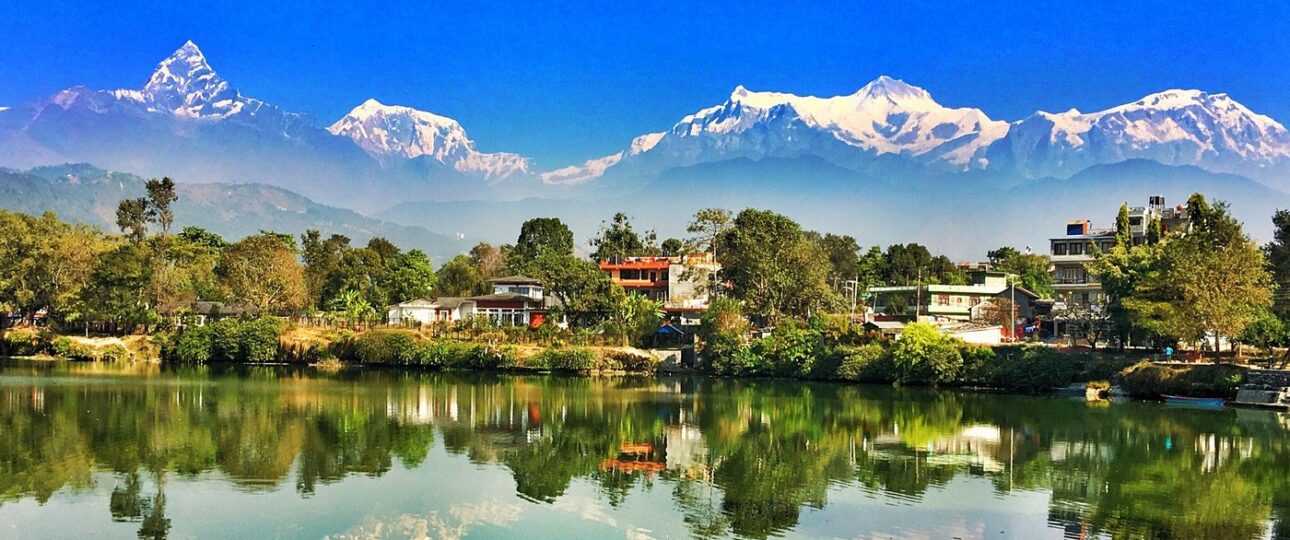
Nepal tourism continues to attract Indian travellers because it offers something that few international destinations can match — stunning Himalayan landscapes, spiritual sites, adventure activities, rich culture, and easy accessibility from India, all without the complexity of long-haul international travel.
We regularly speak with travellers who are looking for an international holiday but don’t want visa hassles, expensive flights, or language barriers. Many of these travellers initially compare Nepal with popular India Tour Packages before realising that Nepal offers an international travel experience while remaining affordable, accessible, and culturally familiar for Indian visitors. Nepal often becomes the perfect answer. A family looking for a peaceful holiday can explore Kathmandu and Pokhara, adventure lovers can head towards the Annapurna region, while spiritual travellers combine temple visits with pilgrimage experiences.
What surprises many first-time visitors is how diverse Nepal actually is. In one trip, you can visit centuries-old temples, enjoy lakeside cafés, witness snow-capped peaks, experience local mountain culture, and take part in world-famous trekking routes.
If you’re planning your first visit, this guide will help you understand what Nepal offers, how much a trip costs, the best places to visit, common mistakes to avoid, and practical advice based on real traveller experiences.
Nepal Tourism at a Glance
For Indian travellers, Nepal is one of the easiest international destinations to visit.
Here are some quick facts:
| Detail | Information |
| Capital | Kathmandu |
| Currency | Nepalese Rupee (NPR) |
| Language | Nepali |
| Time Difference | Nepal is 15 minutes ahead of India |
| Visa Requirement for Indians | Generally not required |
| Best Trip Duration | 5 to 10 Days |
| Ideal Seasons | March-May and September-November |
| Famous For | Himalayas, Temples, Trekking, Adventure Sports |
One reason Nepal tourism remains strong among Indian travellers is convenience. Direct flights connect several Indian cities to Kathmandu, and many travellers also enter Nepal through land border crossings.
Our team often receives enquiries from families who want a short international vacation during school holidays. Many are surprised to learn that Nepal can be explored comfortably within a week while still offering experiences that feel completely different from India.
Why Nepal Tourism Continues to Attract Indian Travellers
Nepal has always been a popular destination for Indian travellers, but the reasons people visit today are more diverse than they were a decade ago. Earlier, many visitors travelled primarily for religious purposes or short sightseeing holidays. Today, enquiries range from family vacations and honeymoon trips to trekking expeditions, wildlife experiences, and luxury mountain stays.
One of the biggest advantages Nepal offers is accessibility. Travellers can reach Kathmandu in just a few hours from several major Indian cities, making it one of the easiest international destinations to visit. The relatively straightforward entry process also removes a major barrier that often exists when planning overseas travel.
Another reason for Nepal’s popularity is variety. A family looking for culture and sightseeing can spend time in Kathmandu and Pokhara, while adventure enthusiasts can head towards the Everest or Annapurna regions. Wildlife lovers often add Chitwan National Park, and pilgrims frequently include destinations such as Pashupatinath Temple, Muktinath, and Lumbini.
Cost also plays an important role. Compared to many international destinations, Nepal offers a broad range of accommodation, transport, and sightseeing options that suit different budgets. This flexibility allows travellers to plan anything from a short getaway to a more extensive holiday.
In our experience, many travellers initially choose Nepal because it is convenient and affordable. What often surprises them is the diversity of experiences available once they arrive. It is one of the few destinations where mountains, culture, wildlife, spirituality, and adventure can all be included in a single trip.
Top Destinations Driving Nepal Tourism
One of the biggest reasons Nepal tourism appeals to such a wide range of travellers is the country’s diversity. In a single trip, you can explore UNESCO-listed heritage sites, visit sacred temples, enjoy wildlife safaris, witness Himalayan sunrises, and trek through some of the world’s most spectacular mountain landscapes.
Many Indian travellers initially plan a short 4 or 5-day holiday focused on Kathmandu and Pokhara. After researching further, they often realise Nepal offers enough attractions for multiple visits. Every region has its own character, traditions, landscapes, and experiences.
Some destinations are ideal for families, while others attract adventure seekers, pilgrims, photographers, or honeymoon couples. Understanding what each destination offers will help you build an itinerary that matches your travel style.
Kathmandu – The Cultural Heart of Nepal
Kathmandu is far more than Nepal’s capital city. It is where centuries of history, religion, architecture, and daily life come together. Most travellers arrive here because it serves as Nepal’s main international gateway, but many leave wishing they had spent more time exploring the city itself.
The first thing many visitors notice is the contrast. Ancient temples sit beside busy streets, monks walk past modern cafés, and centuries-old traditions continue alongside everyday city life. Kathmandu offers an experience that feels very different from the mountain-focused image many people associate with Nepal.
For Indian travellers, the city often feels familiar yet unique. Shared cultural connections make it easy to relate to local customs, while the city’s architecture, heritage sites, and spiritual atmosphere provide experiences that cannot be found elsewhere. From the sacred grounds of Pashupatinath Temple to the bustling streets of Thamel, Kathmandu offers a deeper understanding of Nepal’s identity before travellers move on to destinations such as Pokhara, Chitwan, or the Himalayan trekking regions.
Highlights
- Pashupatinath Temple
- Boudhanath Stupa
- Swayambhunath (Monkey Temple)
- Kathmandu Durbar Square
- Patan Durbar Square
- Bhaktapur Durbar Square
- Thamel Market
- Traditional Newari culture and cuisine
Who Should Visit?
Kathmandu is ideal for first-time visitors, cultural travellers, pilgrims, photographers, and anyone interested in understanding Nepal beyond its mountains. Even travellers with limited time should consider spending at least a couple of days exploring the city’s heritage, food, and spiritual landmarks.
Pokhara – Nepal’s Most Scenic Tourist City
If Kathmandu introduces travellers to Nepal’s history and culture, Pokhara showcases the country’s natural beauty. Surrounded by Himalayan peaks and centred around the tranquil Phewa Lake, Pokhara has a completely different atmosphere from the capital. Life moves at a slower pace here, and many travellers find themselves extending their stay after experiencing the city.
One of Pokhara’s biggest attractions is its ability to appeal to different types of travellers. Couples enjoy the lakeside setting, families appreciate the relaxed environment, photographers come for the mountain views, and adventure enthusiasts arrive for activities such as paragliding and hiking. On a clear morning, watching the first rays of sunlight illuminate the Annapurna range is an experience many visitors remember long after returning home.
The city is also the gateway to some of Nepal’s most famous trekking routes, making it an important stop for both casual tourists and serious trekkers. Several of the most popular Places to visit in Nepal can be found in and around Pokhara, which is why it remains one of the country’s most visited destinations.
Highlights
- Phewa Lake
- Sarangkot Sunrise Point
- World Peace Pagoda
- Davis Falls
- Gupteshwor Cave
- International Mountain Museum
- Lakeside Pokhara
- Annapurna mountain views
Who Should Visit?
Pokhara suits almost every type of traveller. It is particularly popular with families, honeymoon couples, nature lovers, photographers, and travellers looking for a combination of sightseeing and relaxation. Those planning trekking adventures often use Pokhara as their starting point before heading into the Annapurna region.
Chitwan National Park – Nepal’s Wildlife Side That Many Travellers Don’t Expect
Mention Nepal to most people and they’ll immediately think of mountains. Chitwan National Park tells a very different story. Located in Nepal’s southern lowlands, this UNESCO World Heritage Site is known for its wildlife, jungle landscapes, and cultural experiences rather than Himalayan scenery.
For many travellers, Chitwan becomes an unexpected highlight of their trip. After spending time exploring temples in Kathmandu or enjoying mountain views in Pokhara, the chance to head into the jungle and spot wildlife adds a completely different dimension to the journey. Families often enjoy Chitwan because it offers activities suitable for all ages, while photographers appreciate the opportunity to capture animals in their natural habitat.
The park is one of the best places in Asia to see the rare one-horned rhinoceros. Visitors may also encounter crocodiles, deer, wild elephants, and hundreds of bird species. Although Bengal tiger sightings are less common, the possibility of spotting one adds excitement to every safari.
Beyond wildlife, Chitwan also provides an opportunity to learn about the traditions of the Tharu community, whose culture has been closely connected to the region for generations.
Highlights
- Chitwan National Park
- Jeep and jungle safaris
- One-horned rhinoceros sightings
- Canoe rides on the Rapti River
- Elephant Breeding Centre
- Tharu cultural performances
- Birdwatching experiences
- Nature walks with local guides
Who Should Visit?
Chitwan is a great choice for families, wildlife enthusiasts, photographers, and travellers looking to experience a different side of Nepal. It works particularly well as part of a wider itinerary that combines Kathmandu, Pokhara, and the country’s natural attractions.
Lumbini – The Birthplace of Lord Buddha
Lumbini is one of the most important spiritual destinations in the world and a place that attracts visitors far beyond the Buddhist community. Recognised as the birthplace of Lord Buddha, this peaceful town offers a very different experience from the busy streets of Kathmandu or the adventure-focused atmosphere of Pokhara.
Many travellers arrive expecting a few temples and monuments but leave surprised by the scale and significance of the site. The area has been carefully preserved and developed as an international pilgrimage destination, with monasteries built by Buddhist communities from countries including Thailand, Japan, China, South Korea, Germany, and Sri Lanka. Walking through these monastery zones feels like travelling through different parts of the Buddhist world without leaving Nepal.
Unlike destinations where visitors rush from one attraction to another, Lumbini encourages a slower pace. Wide pathways, landscaped gardens, meditation spaces, and sacred monuments create an atmosphere of reflection and calm. Even travellers with no religious connection often appreciate the history, architecture, and sense of peace that the destination offers.
For pilgrims, history enthusiasts, and travellers interested in Nepal’s cultural heritage, Lumbini provides an important perspective on a part of the country’s identity that extends well beyond the Himalayas.
Highlights
- Maya Devi Temple
- Sacred Garden
- Ashoka Pillar
- Monastic Zone
- World Peace Pagoda
- Lumbini Museum
- Eternal Peace Flame
- International Buddhist monasteries
Nagarkot – A Simple Escape from Kathmandu’s Busy Streets
Nagarkot is one of those destinations that doesn’t require a detailed itinerary or a long list of attractions. People come here for one reason: to slow down and enjoy the mountains.
Located around an hour and a half from Kathmandu, Nagarkot has become a popular overnight getaway for travellers who want a break from the city’s traffic and sightseeing schedule. The journey itself is relatively short, but the change in atmosphere is noticeable. Busy roads give way to forested hills, cooler temperatures, and panoramic views of the Himalayan ranges.
Many visitors include Nagarkot after exploring Kathmandu’s temples and heritage sites. Instead of spending another day in the city, they choose to wake up early and watch the sunrise over the mountains from their hotel balcony or a nearby viewpoint. On clear days, the views stretch across multiple Himalayan peaks and provide some of the most memorable photographs of a Nepal holiday.
Nagarkot is not about ticking off attractions. It’s about enjoying the scenery, taking a walk through the surrounding hills, breathing fresh mountain air, and spending a night away from the crowds. For travellers with limited time who don’t plan to trek in the Himalayas, Nagarkot offers a taste of Nepal’s mountain beauty without the physical effort required by longer hiking routes.
Highlights
- Himalayan sunrise views
- Nagarkot View Tower
- Mountain-facing resorts and hotels
- Nature walks and hiking trails
- Photography opportunities
- Peaceful hill-station atmosphere
- Easy day trip or overnight stay from Kathmandu
Mustang – A Side of Nepal That Feels Completely Different
Travellers who visit Mustang are often surprised by how little it resembles the Nepal they imagined. Instead of green hills, dense forests, and busy tourist centres, the landscape is dominated by barren valleys, towering rock formations, windswept plateaus, and centuries-old settlements that appear almost unchanged by time.
Located in Nepal’s north near the Tibetan border, Mustang was once a restricted kingdom that remained largely isolated from the outside world. That history is still visible today. Traditional mud-brick houses, Tibetan-influenced monasteries, prayer walls, and ancient trading routes continue to shape everyday life across the region.
The journey to Mustang is just as memorable as the destination itself. Roads follow the Kali Gandaki Gorge, pass through remote villages, and reveal scenery that feels closer to Tibet than to the lush mountain landscapes most travellers associate with Nepal. This contrast is one of the main reasons experienced visitors often describe Mustang as one of the country’s most fascinating regions.
Unlike Kathmandu or Pokhara, Mustang is not a destination people visit casually. The additional permits, travel time, and remote location mean most visitors specifically choose Mustang because they want to experience a less commercial side of Nepal. Those who make the journey are usually rewarded with landscapes, cultural traditions, and historical sites that feel very different from the rest of the country.
Highlights
- Lo Manthang, the former walled kingdom
- Kali Gandaki Gorge
- Ancient cave complexes
- Tibetan Buddhist monasteries
- Traditional Mustang villages
- Muktinath Temple
- Desert-like Himalayan scenery
- Off-road mountain journeys
Everest Region – More Than Just the World’s Highest Mountain
Most people know the Everest region because of Mount Everest, but travellers who spend time here quickly realise the mountain is only part of the story. The region offers a combination of mountain culture, remote villages, monasteries, and landscapes that are difficult to compare with anywhere else in the world.
The journey typically begins with a flight to Lukla, a small mountain airport that serves as the gateway to the Khumbu region. From there, trails pass through forests, suspension bridges, rivers, and traditional Sherpa settlements before reaching higher elevations. Along the route, visitors encounter prayer wheels, mani stones, monasteries, and local communities whose lives have been shaped by the mountains for generations.
One of the things that surprises first-time visitors is how much the experience revolves around the villages rather than the mountains themselves. Places such as Namche Bazaar and Tengboche are often remembered just as vividly as Everest. Conversations with local guides, evenings spent in teahouses, and the gradual change in scenery become part of the experience.
Not everyone visiting the Everest region plans to complete a long trek. Some travellers choose short hiking routes, while others book scenic mountain flights from Kathmandu to see Everest and the surrounding peaks from the air. This flexibility makes the region accessible to a wider range of travellers than many people realise.
Highlights
- Mount Everest
- Namche Bazaar
- Tengboche Monastery
- Kala Patthar
- Sagarmatha National Park
- Lukla
- Traditional Sherpa villages
- Scenic mountain flights
Annapurna Region – The Trekking Area Most Travellers Start With
If the Everest region is often associated with high-altitude adventure, the Annapurna region is where many travellers have their first real Himalayan trekking experience. The area offers a wide variety of routes, ranging from short village walks to multi-day expeditions, making it accessible to people with different fitness levels and travel goals.
One of the reasons the Annapurna region attracts so many visitors is the variety of landscapes found within a relatively small area. A single trek can pass through terraced farmland, rhododendron forests, riverside trails, mountain villages, and high-altitude viewpoints. The scenery changes constantly, which keeps the journey interesting even on longer routes.
The region is also known for its welcoming villages. Places such as Ghandruk, Chhomrong, and Ghorepani provide opportunities to experience local life while travelling through the mountains. Many trekkers remember the evenings spent in teahouses, conversations with guides and fellow travellers, and the sense of community that develops along the trail.
For those looking for a longer adventure, the Annapurna Base Camp Trek remains one of the most popular Nepal trekking routes. Unlike some high-altitude expeditions, it combines mountain scenery with cultural experiences, making it appealing to both first-time trekkers and experienced hikers.
The Annapurna region is not only for serious trekkers. Visitors can enjoy short hikes, sunrise viewpoints, village stays, and mountain scenery without committing to a lengthy expedition, which is one reason the area continues to attract such a broad range of travellers.
Highlights
- Annapurna Base Camp
- Ghorepani Poon Hill
- Ghandruk Village
- Chhomrong
- Machhapuchhre Base Camp
- Annapurna Conservation Area
- Rhododendron forests
- Traditional mountain teahouses
Best Time to Visit Nepal
Nepal can be visited throughout the year, but the experience varies depending on the season. Weather conditions influence everything from mountain visibility and trekking opportunities to wildlife sightings and sightseeing comfort. For most Indian travellers, spring and autumn are generally considered the best times to visit because they offer pleasant temperatures and clear views of the Himalayas.
Spring (March to May)
Spring is one of the most popular seasons for Nepal tourism. The weather is comfortable across most destinations, and hillsides come alive with colourful rhododendron blooms. It is also an excellent time for trekking, sightseeing, and outdoor activities. Travellers visiting Kathmandu, Pokhara, or the Annapurna region during spring usually enjoy clear mountain views and pleasant daytime temperatures.
Monsoon (June to August)
The monsoon season brings regular rainfall and transforms Nepal into a lush green landscape. Tourist crowds are smaller, and accommodation prices are often lower. While mountain visibility can be limited on some days, destinations such as Kathmandu, Lumbini, and Chitwan remain accessible and attractive for travellers who prefer quieter holidays.
Autumn (September to November)
Autumn is widely regarded as the peak travel season in Nepal. Clear skies, comfortable weather, and excellent visibility make it one of the best times for sightseeing and trekking. Major festivals such as Dashain and Tihar also take place during this period, giving visitors an opportunity to experience Nepal’s cultural traditions.
Winter (December to February)
Winter offers fewer crowds and crisp mountain views, particularly around Kathmandu, Pokhara, and Nagarkot. Temperatures can drop significantly in higher-altitude regions, but many popular tourist destinations remain comfortable during the day. Travellers looking for a quieter experience often find winter an appealing time to visit.
Our Recommendation
For first-time visitors, October, November, March, and April generally provide the best overall experience. These months offer a good balance of weather, sightseeing opportunities, and mountain visibility, making them ideal for exploring the highlights of Nepal tourism.
Nepal Trip Cost from India
One of the reasons Nepal tourism remains popular among Indian travellers is that it offers a wide range of travel experiences without requiring a huge budget. Whether you’re planning a short family holiday, a honeymoon, a spiritual journey, or a trekking adventure, Nepal can be customised to suit different budgets and travel styles.
The overall cost of a Nepal trip depends on factors such as travel season, departure city, hotel category, trip duration, and the activities included in your itinerary. A traveller exploring Kathmandu and Pokhara will spend considerably less than someone planning mountain expeditions or helicopter tours.
What Can You Expect to Spend?
For most Indian travellers, a Nepal holiday typically falls into one of the following categories:
| Travel Style | Estimated Cost Per Person |
| Budget Trip | ₹20,000 – ₹35,000 |
| Mid-Range Trip | ₹35,000 – ₹70,000 |
| Premium Trip | ₹70,000+ |
These estimates generally include accommodation, local transport, sightseeing, and daily expenses. International flights and specialised activities may increase the overall budget.
Major Expenses to Consider
Flights
Airfare is usually one of the largest expenses for Indian travellers. Direct and connecting flights are available from major cities such as Delhi, Mumbai, Bangalore, Kolkata, Chennai, and Hyderabad.
Accommodation
Nepal offers everything from budget guesthouses and boutique hotels to luxury mountain resorts. Most travellers find good value for money compared to many other international destinations.
Local Transport
Tourist buses, private vehicles, domestic flights, and taxis are commonly used to travel between destinations such as Kathmandu, Pokhara, Chitwan, and Lumbini.
Activities and Sightseeing
Entry fees, wildlife safaris, mountain flights, trekking permits, guides, and adventure activities can all influence the final trip cost.
Family and Honeymoon Budgets
Families and couples usually choose mid-range packages that include accommodation, transfers, and sightseeing. A comfortable 5 to 7-day Nepal holiday generally ranges between ₹40,000 and ₹80,000 per person, depending on travel dates and inclusions.
Is Nepal Worth the Cost?
Most travellers consider Nepal excellent value for money. Few destinations offer the same combination of Himalayan scenery, cultural heritage, wildlife experiences, spiritual attractions, and adventure activities within such a manageable budget.
Travellers comparing destinations often find that Nepal delivers a memorable international holiday without the costs typically associated with long-haul travel.
How to Reach Nepal from India?
One of the reasons Nepal tourism is so popular among Indian travellers is how easy the country is to access. Unlike many international destinations, Nepal can be reached by both air and road, making it suitable for travellers with different budgets and travel preferences.
For most visitors, flying to Kathmandu is the quickest and most convenient option. Direct and connecting flights operate from major Indian cities including Delhi, Mumbai, Bangalore, Kolkata, Chennai, and Hyderabad. A direct flight from Delhi takes less than two hours, making Nepal one of the closest international destinations for Indian travellers.
Road travel is also a popular choice, particularly for visitors from Uttar Pradesh, Bihar, Uttarakhand, and West Bengal. Major border crossings such as Sunauli, Raxaul-Birgunj, and Kakarbhitta allow travellers to enter Nepal and continue their journey by bus, private vehicle, or domestic flight.
Some budget travellers combine train and road travel by taking a train to a border town and crossing into Nepal by road. While this option takes longer, it can help reduce transportation costs.
Indian citizens generally do not require a tourist visa to visit Nepal, although valid identification should always be carried. Travellers should also review the latest Visa Requirements before departure to ensure they have the correct documents.
Choosing the Best Travel Option
- Flight: Best for families, couples, and short holidays.
- Road Travel: Popular among travellers from North India and those planning longer trips.
- Train + Road: Suitable for budget-conscious travellers with flexible schedules.
For first-time visitors, flying directly to Kathmandu remains the easiest way to begin a Nepal holiday. Travellers researching How to reach Nepal often discover that the journey is much simpler and faster than expected, which is one of the reasons Nepal continues to attract visitors from across India.
Visa Requirements for Nepal
One of the reasons Nepal remains a popular international destination for Indian travellers is the straightforward entry process. Unlike many countries that require lengthy visa applications and supporting documentation, Nepal is relatively easy for Indians to visit.
For most tourism purposes, Indian citizens do not require a tourist visa to enter Nepal. However, travellers should carry valid identification and verify the latest entry regulations before departure, as travel requirements can change over time.
Documents Indian Travellers Should Carry
To ensure a smooth journey, travellers should carry one of the following original documents:
- Valid Indian Passport
- Valid Voter ID Card
Families travelling with children should also carry the necessary identification documents for minors.
Travelling by Air or Road
Indian citizens can enter Nepal both by air and through authorised land border crossings. Regardless of the mode of travel, carrying valid original identification is essential.
Travellers planning self-drive road trips should also ensure they have the required vehicle documentation and permits before crossing the border.
Before You Travel
Although the entry process is generally straightforward, it is always advisable to review the latest Visa Requirements and travel regulations before finalising your trip. Keeping copies of important documents and arranging travel insurance can also help avoid unnecessary complications during your journey.
For most Indian travellers, Nepal remains one of the easiest international destinations to visit, which is one of the factors contributing to the continued growth of Nepal tourism.
Common Mistakes Travellers Make
Despite Nepal being one of the easiest countries for Indians to visit, we still see travellers making avoidable mistakes.
Carrying Only Digital Copies
- Many people assume mobile phone copies of documents will be accepted.
- Always carry original identification.
Assuming Aadhaar Is Always Sufficient
- Carrying Just a Aadhaar Card can create problems during travel.
- Carry a Passport or Voter ID whenever possible.
Ignoring Child Documentation Requirements
Parents sometimes focus only on their own documents and forget to verify requirements for children.
Not Checking Updated Guidelines
- Travel regulations can change.
- Always confirm the latest requirements before departure.
Travel Insurance: Is It Necessary?
Travel insurance is not mandatory for most Indian travellers visiting Nepal, but we strongly recommend it.
A relatively small premium can provide protection against:
- Medical emergencies
- Trip cancellations
- Flight disruptions
- Lost baggage
- Unexpected travel delays
This becomes particularly important for travellers heading into mountain regions.
Special Considerations for Trekkers and Adventure Travellers
Adventure tourism is one of the biggest attractions driving Nepal tourism.
Travellers planning activities such as:
- Mountain trekking
- High-altitude expeditions
- Helicopter tours
- Remote region exploration
should ensure they have adequate insurance coverage and the necessary permits.
Those planning the Everest Base Camp Trek, ABC Trek, or other high-altitude adventures should verify permit requirements and emergency evacuation coverage before departure.
Our Advice Before You Travel
One of the reasons Nepal remains such an attractive destination for Indian travellers is the simplicity of the entry process. However, simple does not mean travellers should ignore preparation.
Before leaving India:
- Carry valid original identification
- Keep multiple copies of important documents
- Verify current entry requirements
- Arrange travel insurance
- Confirm hotel bookings
- Keep emergency contact details handy
A little preparation ensures your journey starts smoothly and allows you to focus on enjoying everything Nepal has to offer.
Things to Do in Nepal
One of the biggest strengths of Nepal tourism is the variety of experiences available within a relatively small country. Some travellers come for the mountains, others for spirituality, wildlife, culture, or adventure. The result is a destination that appeals to families, couples, pilgrims, photographers, and outdoor enthusiasts alike.
Explore Nepal’s Cultural and Heritage Sites
Nepal is home to centuries-old temples, palaces, monasteries, and UNESCO World Heritage Sites. Kathmandu alone contains some of the country’s most important cultural landmarks, including Pashupatinath Temple, Boudhanath Stupa, and Kathmandu Durbar Square. Travellers interested in history and local traditions often find these sites just as rewarding as Nepal’s mountain scenery.
Experience the Himalayas
The Himalayas remain Nepal’s biggest attraction. Visitors can enjoy mountain views in different ways, from scenic viewpoints around Pokhara and Nagarkot to mountain flights and multi-day trekking adventures. Even travellers who have no interest in trekking often make time to experience the Himalayan landscapes during their visit.
Go Trekking
Nepal is one of the world’s leading trekking destinations. Routes range from short village walks to challenging high-altitude expeditions. Popular options include the Annapurna Trek and the Everest Base Camp Trek, both of which attract trekkers from around the world. Travellers planning trekking holidays should familiarise themselves with local Trekking Permits and route requirements before departure.
Enjoy Wildlife Experiences
Chitwan National Park offers a completely different side of Nepal. Jungle safaris, canoe rides, birdwatching, and rhinoceros sightings make it a popular addition to many itineraries. Families and wildlife enthusiasts often consider Chitwan one of the most enjoyable parts of their trip.
Visit Spiritual and Pilgrimage Destinations
Religion plays an important role in Nepal’s identity. Destinations such as Pashupatinath Temple, Lumbini, Muktinath, and Janakpur attract pilgrims throughout the year. Nepal also serves as an important gateway for travellers undertaking the Kailash Mansarovar Yatra.
Try Adventure Activities
Adventure tourism continues to grow in Nepal. Popular activities include paragliding, mountain biking, ziplining, bungee jumping, rafting, and helicopter tours. Pokhara is widely regarded as the country’s adventure capital and attracts visitors looking for outdoor experiences beyond traditional sightseeing.
Experience Local Food and Culture
A trip to Nepal is also an opportunity to explore local cuisine and traditions. Dishes such as momos, dal bhat, and thukpa are widely available, while local festivals, traditional markets, and village experiences provide a deeper understanding of everyday life in Nepal.
Relax and Enjoy the Scenery
Not every Nepal holiday needs to be action-packed. Many travellers simply enjoy boating on Phewa Lake, watching sunrise over the Himalayas, staying in mountain-view resorts, or spending time in quieter destinations such as Nagarkot. These slower experiences often become some of the most memorable parts of a trip.
Travellers researching Things to do in Nepal are often surprised by how much variety the country offers. While the Himalayas may attract visitors initially, many leave with lasting memories of Nepal’s culture, wildlife, food, and people as well.
Common Mistakes to Avoid During Your Nepal Trip
Nepal is a relatively easy destination to explore, but a few planning mistakes can affect your overall experience. Most travellers who encounter problems don’t face major issues—they simply wish they had planned certain aspects differently. Learning from these common mistakes can help you save time, avoid unnecessary expenses, and enjoy a smoother holiday.
Trying to Visit Too Many Places
Many first-time visitors attempt to cover Kathmandu, Pokhara, Chitwan, Lumbini, and a trekking destination in a single week. This often results in long travel days and less time enjoying each destination.
Booking Flights at the Last Minute
Flight prices to Kathmandu can increase significantly during peak travel months such as March, April, October, and November. Early bookings usually offer better fares and more flight options.
Choosing the Wrong Season
Travellers sometimes plan mountain-focused holidays during the monsoon season and are disappointed when cloud cover affects Himalayan views. Always choose your travel dates based on the experiences you want.
Underestimating Road Travel Times
Distances in Nepal may appear short on a map, but mountain roads can make journeys longer than expected. Avoid scheduling too many activities on travel days.
Ignoring Trekking Requirements
Popular trekking regions often require permits, guides, or additional preparation. Travellers planning the Everest Base Camp Trek or Annapurna Base Camp Trek should review all requirements before arrival.
Spending Too Little Time in Kathmandu
Many visitors treat Kathmandu as a transit city and move on too quickly. The capital contains some of Nepal’s most important cultural, historical, and spiritual attractions and deserves at least two full days.
Not Carrying Proper Documents
Even though Indian citizens generally do not require a visa, travellers should carry valid identification and review the latest Visa Requirements before departure.
Skipping Travel Insurance
Travel insurance is often overlooked, particularly by travellers planning short holidays. It becomes especially valuable for trekking, adventure sports, and mountain travel.
Focusing Only on Mount Everest
Mount Everest is Nepal’s most famous attraction, but destinations such as Pokhara, Chitwan, Mustang, and Lumbini often become the highlights of a traveller’s journey.
Not Planning a Structured Trip
Poor planning can lead to unnecessary travel time, missed attractions, and higher costs. Many travellers prefer organised Nepal Tour Packages because accommodation, transport, and sightseeing are already coordinated.
Frequently Asked Questions About Nepal Tourism
Why is Nepal tourism so popular among Indian travellers?
Nepal attracts Indian travellers because it offers a unique combination of Himalayan scenery, spiritual destinations, adventure tourism, wildlife experiences, and cultural heritage. The ease of travel, short flight durations, and relatively simple entry process also make Nepal one of the most accessible international destinations for Indians.
What are the biggest attractions driving Nepal tourism?
The main attractions include Mount Everest, the Annapurna region, Pashupatinath Temple, Pokhara, Chitwan National Park, Lumbini, and Nagarkot. Together, these destinations offer a mix of adventure, spirituality, nature, and cultural experiences that appeal to different types of travellers.
What is the best month to experience Nepal tourism?
October is widely considered the best month to visit Nepal. The weather is pleasant, skies are generally clear, mountain visibility is excellent, and major festivals such as Dashain and Tihar create a vibrant atmosphere throughout the country.
Is Nepal tourism suitable for families with children?
Yes. Nepal offers many family-friendly experiences, including wildlife safaris in Chitwan, boating in Pokhara, cultural sightseeing in Kathmandu, and scenic mountain viewpoints. Families can enjoy Nepal without participating in strenuous trekking activities.
How important is trekking to Nepal tourism?
Trekking is one of the biggest contributors to Nepal tourism and attracts visitors from around the world. Famous routes such as the Everest Base Camp Trek and Annapurna Base Camp Trek have helped establish Nepal as one of the world’s leading adventure travel destinations. However, many visitors enjoy Nepal without trekking at all.
Which destinations should first-time visitors include in a Nepal tourism itinerary?
For a first visit, Kathmandu and Pokhara are highly recommended. Travellers with additional time often add Chitwan National Park, Nagarkot, or Lumbini. These destinations provide a balanced introduction to Nepal’s culture, scenery, wildlife, and spiritual heritage.
What role does religious tourism play in Nepal?
Religious tourism is a major part of Nepal tourism. Millions of pilgrims visit sacred sites such as Pashupatinath Temple, Muktinath Temple, Janakpur, and Lumbini every year. Nepal is also an important transit point for travellers undertaking the Kailash Mansarovar Yatra.
How does Nepal tourism change during different seasons?
The tourism experience varies significantly by season. Spring (March to May) and autumn (September to November) offer the best weather for sightseeing and trekking. Monsoon months bring greener landscapes but reduced mountain visibility, while winter offers fewer crowds and excellent views in many regions.
What are the most popular things to do in Nepal besides trekking?
Travellers can enjoy wildlife safaris, mountain flights, paragliding, temple visits, cultural tours, boating on Phewa Lake, photography, local food experiences, and luxury mountain retreats. Many visitors researching Things to do in Nepal are surprised by the variety of experiences available beyond trekking.
Is Nepal tourism affordable compared to other international destinations?
Yes. Nepal is often considered one of the most affordable international destinations for Indian travellers. Accommodation, food, transport, and sightseeing generally cost less than many popular destinations in Southeast Asia, Europe, or the Middle East, making Nepal suitable for a wide range of budgets.