
Most Mumbai travellers don’t start with a fixed route. It’s usually a mix — “snow dekhna hai… thoda chill karna hai… acha stay bhi chahiye.” Then they start looking at options and everything looks doable.
That’s where things get tricky.
Flights fix your entry and exit, and suddenly those 4–5 days feel very limited. People exploring Kashmir tour packages from Mumbai often realise this a bit late — after trying to fit Gulmarg, Pahalgam, and Srinagar all together.
We’ve seen people plan perfectly on paper, but once travel time and flight schedules come in, it becomes tight.
Kashmir works differently for Mumbai travellers. It’s less about distance, more about how much you can comfortably fit between flights.
Once that clicks, the whole plan becomes much clearer.
What Mumbai Travellers Really Mean When They Say “Kashmir Trip”
This is where most confusion starts.
Someone says “Kashmir jaana hai,” but what they actually want is different for each person. One is thinking about snow in Gulmarg, another wants those green valleys in Pahalgam, and someone else just wants a calm stay in Srinagar.
We’ve also seen Mumbai travellers expect “proper cold” anytime they visit. But Kashmir changes a lot with season. Snow, greenery, autumn — all feel completely different.
Another thing people don’t realise — places are not as close as they look. Srinagar to Gulmarg or Pahalgam still takes time, and doing both back-to-back can feel rushed.
So when someone says Kashmir trip from Mumbai, we usually pause and ask — what are you actually expecting from this trip?
Because once that’s clear, planning becomes much simpler.
Most Booked Kashmir Itinerary from Mumbai (What Travellers Actually Finalise)
Planning a Kashmir trip from Mumbai looks simple in the beginning. Everyone wants to cover Gulmarg, Pahalgam, and Srinagar in one go. But once flights, travel time, hotel check-ins, and local movement come into the picture, the plan starts feeling tight.
That’s exactly where most travellers make changes.
Instead of rushing through everything, people usually settle on a plan that balances travel and experience. You still cover all major destinations, but in a way that doesn’t feel exhausting.
This 5-day itinerary is what most Mumbai travellers finally choose after comparing different options. It’s practical, well-paced, and actually enjoyable.
5 Days Kashmir Itinerary from Mumbai
Day 1: Arrival in Srinagar – Relaxed Start with Dal Lake
After arriving in Srinagar, the first half of the day usually goes into airport exit, hotel transfer, and check-in. By the time you settle in, it’s already afternoon. That’s why this day is kept light. Instead of packing multiple activities, the focus is on easing into the trip and experiencing Srinagar at a relaxed pace.
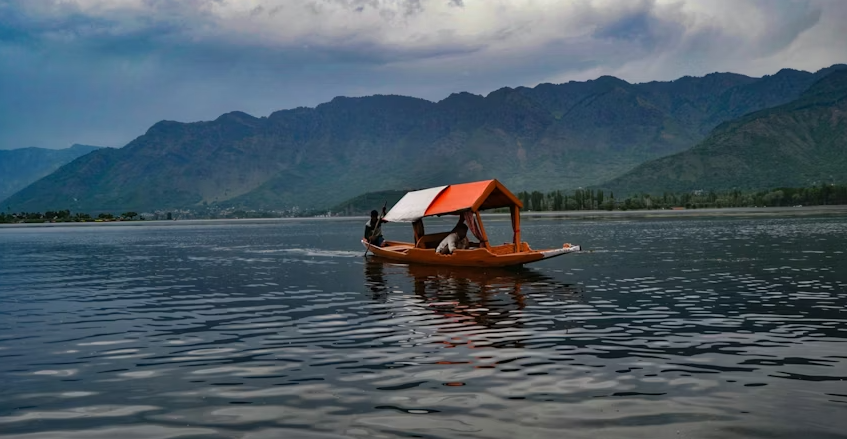
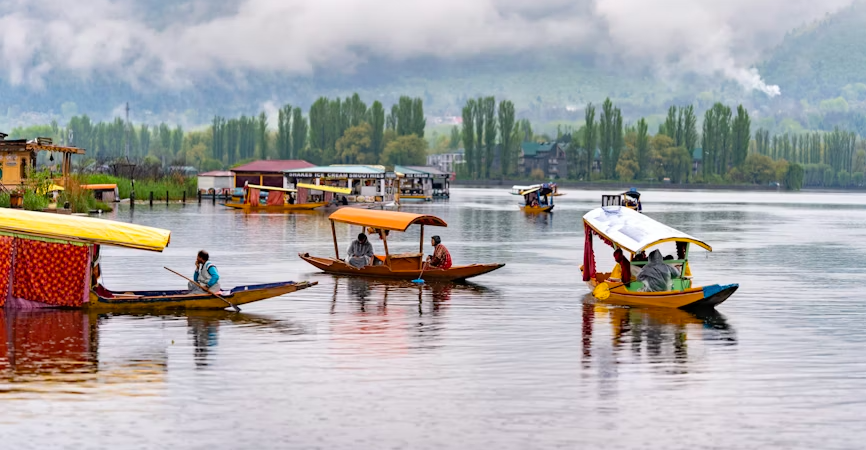
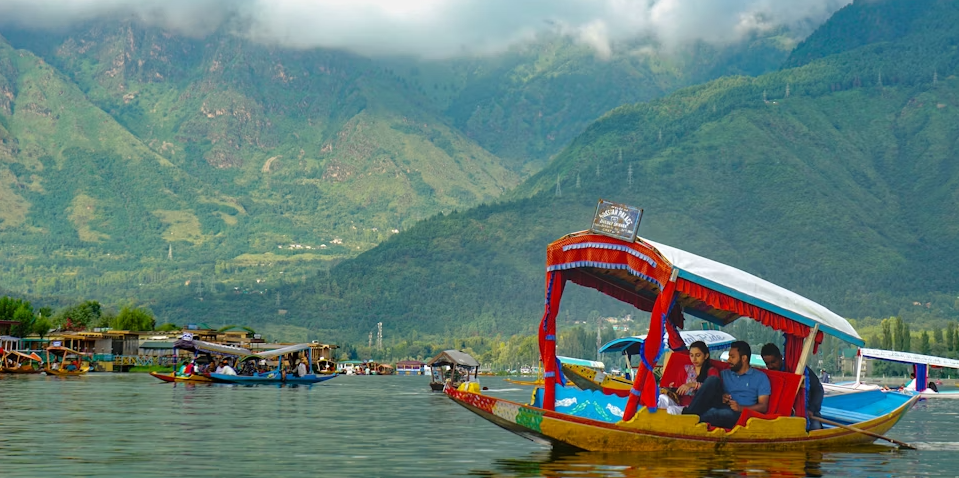
In the evening, you head towards Dal Lake for a Shikara ride. This is where the trip truly begins — calm water, mountain views, and the slow rhythm of Kashmir all come together.
Places / Experiences:
- Shikara Ride at Dal Lake
- Boulevard Road evening walk
- Floating market views
Weather:
- Summer: 15°C – 30°C (pleasant evenings)
- Winter: 0°C – 10°C (cold after sunset)
Day 2: Gulmarg – Gondola Ride & Mountain Experience
This is one of the most important days of the trip, so starting early makes a big difference. The drive to Gulmarg takes around 2–2.5 hours, and once you reach, most of your time goes into exploring and waiting for activities.
The Gondola ride is the main highlight here, and booking it in advance is highly recommended to avoid long queues. Depending on the season, Gulmarg offers completely different experiences — snow and skiing in winter, green landscapes and open views in summer.
Also, keep in mind that certain internal sightseeing areas are accessible only through local union taxis.
Places / Experiences:
- Gulmarg Gondola Ride (Phase 1 / Phase 2 – pre-booked recommended)
- Khilanmarg viewpoint
- Gulmarg Golf Course
- Strawberry Valley (seasonal)
- Snow activities (skiing, sledging – winter)
Important:
- Union Cab (local taxi) required for some internal points
Stay:
- GS Residency, Gulmarg
Weather:
- Summer: 10°C – 25°C
- Winter: -5°C to 5°C (snow conditions)
Day 3: Srinagar Sightseeing + Houseboat Stay
After breakfast, you return to Srinagar. Compared to the previous day, this one feels more relaxed. The focus here is on local sightseeing along with the unique experience of staying in a houseboat.
You visit some of the well-known Mughal gardens and viewpoints, followed by a slow evening on the lake. By the time you check in to the houseboat, the pace of the trip naturally slows down.
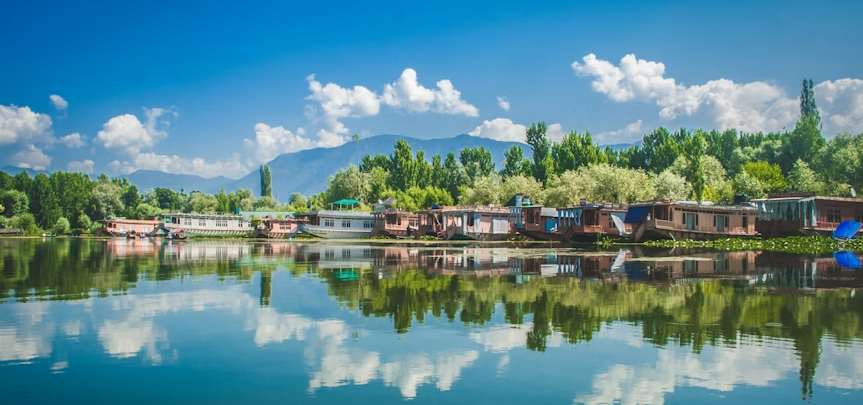
Houseboat stays are not just about accommodation — they’re about the experience. Wooden interiors, lake views, and quiet surroundings make it one of the most memorable parts of the trip.
Places / Experiences:
- Nishat Garden
- Shalimar Bagh
- Hazratbal Shrine
- Pari Mahal (viewpoint)
- Local markets / old Srinagar
Stay:
- Shalimar Houseboat
Inclusions:
- All meals included (Lunch + Dinner + Breakfast)
Weather:
- Summer: 15°C – 30°C
- Winter: 0°C – 10°C
Day 4: Srinagar to Pahalgam – Scenic Journey & Leisure Time
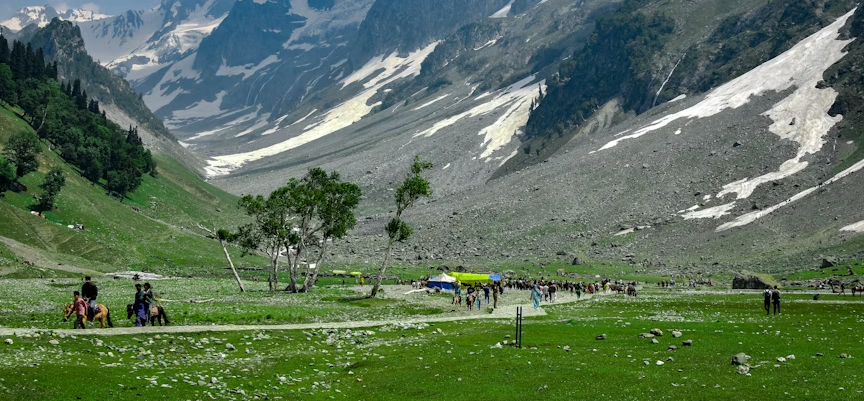
The drive to Pahalgam takes around 2.5 to 3 hours, but it doesn’t feel long because the route itself is scenic. You pass through saffron fields (seasonal), apple orchards, and river-side viewpoints, making the journey enjoyable.
Once you reach Pahalgam, the environment feels more peaceful and less crowded compared to Srinagar. This day is intentionally kept light so you can relax and enjoy the surroundings without feeling rushed.
For local sightseeing in Pahalgam, union taxis are required as private vehicles are restricted in certain areas.
Activities / Stops:
- Lidder River viewpoints
- Apple orchards (seasonal)
- Saffron fields (Pampore – seasonal)
- Optional pony ride / nature walk
Important:
- Union Cab mandatory for local sightseeing
Stay:
- Hillside Resort, Pahalgam
Weather:
- Summer: 10°C – 25°C
- Winter: -2°C to 8°C
Day 5: Pahalgam Sightseeing + Departure
The final day starts early so you can cover the main valleys of Pahalgam before heading back. These locations are spread out and require a local taxi, so planning time properly is important.
After sightseeing, you return to the hotel, freshen up, and begin your journey back to Srinagar Airport. Since the drive takes around 2.5 to 3 hours and security checks are strict, leaving on time is important.
Places / Experiences:
- Aru Valley
- Betaab Valley
- Chandanwari
Travel Plan:
- Return to hotel → freshen up
- Departure from Pahalgam by 4:00 PM
- Drop at Srinagar Airport
Weather:
- Summer: 10°C – 25°C
- Winter: -2°C to 8°C
Final Thought (What Most Travellers Realise Later)
Most people start with a plan to cover everything quickly. But once they experience the journey, they realise Kashmir is not about rushing from one place to another.
It’s about slowing down, enjoying the views, and giving each destination enough time.
That’s exactly why this itinerary works — it doesn’t try to do too much, but it ensures you don’t miss what actually matters. If you’re planning your trip, it’s always better to explore well-structured kashmir tour packages that focus on experience rather than just covering more places.
Mumbai to Kashmir – What Travel Actually Looks Like
For Mumbai travellers, reaching Kashmir is straightforward — flights are the only practical option. But what most people underestimate is how much flight timing impacts the overall trip experience. Many travellers choose cheaper late flights thinking they’re saving money, only to land in Srinagar by evening. By the time they reach the hotel and complete check-in, the first day is almost gone.
On the other hand, morning flights make a noticeable difference. You arrive earlier, feel more relaxed, and still have enough time to step out in the evening — which makes the trip feel longer without actually adding extra days. That’s why experienced travellers now prefer choosing a Kashmir package with flight from Mumbai that focuses on better timing rather than just lower fares.
The return journey matters just as much. Early departure flights often cut the last day short, forcing you to leave before you’ve fully enjoyed it. So while flights may seem like a simple part of planning, these small decisions ultimately decide how much of your trip you actually get to experience.
Kashmir Tour Cost from Mumbai (What Actually Changes the Price)
This is where most people pause and start comparing.
“Plan toh same lag raha hai… phir cost itna fluctuate kyu kar raha hai?”
For Mumbai travellers, the biggest factor is flights. We’ve had clients check prices in the morning and by evening fares were already higher. That’s why the Kashmir travel cost from Mumbai keeps changing even for the same dates.
Then comes hotels. One couple chose a cheaper stay in Srinagar, but later shifted because the location was far from the main areas. Ended up spending more on local travel.
Season also plays a role. Snow months and peak summer both push prices up.
So when people ask about Mumbai to Kashmir tour package price, it’s rarely just about the itinerary. Flights, hotel location, and booking timing make the real difference.
Best Time to Visit Kashmir from Mumbai (What You’ll Actually Experience)
Most Mumbai travellers assume Kashmir will feel cold anytime, but that’s not how it works. The experience changes completely with months — temperature, snow, crowd, even flight pricing.
When people plan a Kashmir trip from Mumbai, they usually don’t factor in how different Gulmarg, Srinagar, and Pahalgam look across seasons. Same places, but the feel is totally different.
Dec to Feb (Snow Season)
This is when people specifically travel for snowfall. Gulmarg gets proper snow, sometimes knee-deep. Temperatures can go below zero. Flights may get delayed due to weather, and some routes become slow. But for snow lovers, this is the best phase.
March to June (Pleasant + Peak Season)
This is the most comfortable time. Day temperatures stay around 15–25°C, which feels very pleasant compared to Mumbai heat. Valleys are green, flowers start blooming, and travel is smooth. This is when most people search for the best time to visit Kashmir from Mumbai.
July to September (Monsoon Period)
Kashmir doesn’t get heavy rain like other places, but there can be occasional showers. Crowd is less, prices drop slightly. Some travellers prefer this for a quieter experience, but it’s not peak season.
October (Underrated but Beautiful)
Clear skies, autumn colors, less crowd. This is one of the most peaceful times to visit. Many people don’t consider it, but those who go often say it feels more relaxed than peak months.
What we’ve seen — most disappointment happens when expectation and timing don’t match.
If someone expects snow in May or full greenery in winter, the trip feels off.
Choosing the right time makes the same plan feel completely different.
Kashmir for Couples vs Families (What Actually Changes on Ground)
Most Mumbai travellers don’t realise this early — Kashmir planning isn’t the same for everyone. Flights already limit your available time, and within those fixed days, the experience depends on how well the plan matches the traveller type.
We’ve seen couples enjoy even with fewer places, while families doing the exact same route often feel tired. It’s not about covering more — it’s about structuring the days correctly.
When people plan a Kashmir honeymoon package from Mumbai or a family trip, the difference comes down to pace, hotel selection, and how much movement is involved.
Couples vs Families – What Actually Works
| Aspect | For Couples (What Works Better) | For Families (What Needs Adjustment) |
| Trip Style | Relaxed, experience-focused | Comfort + smooth execution |
| Number of Places | Fewer locations, more time per place (e.g., 2N Srinagar + 2N Pahalgam) | Limited locations to avoid exhaustion |
| Pace | Flexible, slow-paced days | Structured, well-timed days |
| Hotels | Scenic view hotels matter more than category | Hotels near main areas for convenience |
| Gulmarg | Added for experience (snow, Gondola), not always mandatory | Included if manageable, but not at the cost of comfort |
| Houseboat Stay | Chosen for experience + comfort (not just photos) | Optional — depends on family comfort level |
| Evenings | Kept free for walks, cafes, personal time | Prefer early wrap-up for rest |
| Travel Movement | More flexibility with travel | Avoid back-to-back long drives |
| Flights | Timing matters, but manageable | Early arrival flights preferred for smooth start |
| Sightseeing Style | Light, spaced, experience-driven | Limited, practical, and well-paced |
Where Most Mumbai Kashmir Trips Go Wrong (And Why)
Most issues don’t come from Kashmir. They start from planning back in Mumbai. Fixed flights, limited leaves, and high expectations — when these don’t align, the trip feels rushed. We’ve seen people plan everything perfectly, but once they land, small gaps start showing. When travellers book a Kashmir trip from Mumbai, the challenge is not the destination — it’s how tightly everything is fitted between flights and travel time.
Where people usually go wrong:
- Booking flights without thinking about timing: Late arrivals eat the first day. Early departures cut the last day. Many people end up with only 2–3 usable days in a 5-day plan.
- Trying to cover all three places in limited days: Srinagar, Gulmarg, Pahalgam together in 4 days looks doable online. On ground, it becomes constant packing and travel.
- Expecting snowfall anytime: We’ve seen travellers visit in peak summer expecting snow. Only Gulmarg may have limited patches depending on weather.
- Not booking Gondola in advance: One of the most common issues. Tickets sell out, queues get long, and half the day is gone.
- Ignoring internal travel time: Srinagar to Gulmarg or Pahalgam still takes hours. People assume it’s quick and overload the day.
- Choosing hotels only on price: Cheaper hotels far from main areas increase travel effort. Location matters more than star rating in Kashmir.
- No buffer for delays: Flights get delayed, weather changes, traffic builds up. Tight plans collapse easily.
- Overplanning sightseeing: Too many spots in one day. After a point, everything feels rushed and tiring.
- Not checking local taxi rules: In Pahalgam, outside vehicles are restricted. People don’t expect this and face delays or extra cost.
- Ignoring return day planning: Last day often gets wasted in checkout + airport travel. People assume they’ll have time, but usually don’t.
- Late bookings increasing cost: Flights and hotels shoot up quickly. Many people searching for Kashmir travel cost from Mumbai realise this too late.
What we’ve seen clearly — trips feel smooth when there’s breathing space in the plan, not when everything is packed.
How We Actually Plan Kashmir Trips (What Makes It Work)
Planning a Kashmir trip from Mumbai is not complicated — but small mistakes can easily affect the entire experience. Flights already fix your schedule, and within those limited days, everything else has to align properly. Travel time between places, hotel locations, local taxi rules, and even weather conditions all play a role in how smooth or tiring the trip feels.
We’ve seen travellers follow ready-made itineraries and then struggle on ground — either rushing between places or missing experiences because the plan didn’t match real conditions.
That’s why we don’t start with fixed packages.
We follow a simple, step-by-step process that helps us design trips based on actual traveller needs, not assumptions.
Our Process – How We Plan Your Kashmir Trip
Step 1: Lead Received & Travel Details Collected
Once we receive your enquiry, the first step is to add your details into our system so nothing gets missed. This helps us track your travel dates, preferences, and requirements from the beginning.
At this stage, we don’t suggest anything yet — we first prepare to understand your plan properly.
Step 2: Understanding Your Requirements
Our sales team connects with you to understand what you actually want from the trip.
This is where most clarity comes in.
Some travellers want snow, some prefer scenic stays, while others just want a relaxed break. Duration, budget, traveller type (couple or family), and flight preferences are all discussed here.
👉 This step decides how your entire itinerary will be structured.
Step 3: Itinerary Planning & Hotel Selection
Once we have clear inputs, we start building your itinerary.
- We decide how many places to include (usually 2–3 max)
- Plan travel days so they don’t feel rushed
- Keep arrival and departure timing in mind
- Add activities like Gulmarg Gondola based on availability
At the same time, we shortlist hotels based on:
- Your budget
- Location (very important in Kashmir)
- Type of experience (views, accessibility, comfort)
👉 We focus more on practicality than just hotel star ratings.
Step 4: Sharing & Customising the Plan
We then share the complete itinerary with you — including hotels, route, and day-wise flow.
If you want any changes, we adjust:
- Hotel upgrades/downgrades
- Route changes
- Adding or removing places
- Adjusting pace of travel
We refine the plan until it matches exactly what you’re comfortable with.
Step 5: Finalisation & Booking Confirmation
Once you approve the itinerary, we proceed with bookings.
- We take 20–30% advance payment
- Hotels, cabs, and key services are booked and blocked
This ensures availability, especially during peak seasons.
Step 6: Balance Payment & Travel Execution
The remaining amount is paid on arrival.
From there:
- Your trip starts as planned
- All bookings are already confirmed
- Our team stays available for any support during the trip
Why This Approach Works Better
- Plans are built around your time and preferences, not fixed templates
- Travel is structured to avoid unnecessary fatigue
- Hotels are chosen based on location + experience, not just price
- Activities are planned with buffer for weather and delays
FAQs (Real Questions Mumbai Travellers Ask)
4–6 days works best. Anything shorter starts feeling rushed because flights take up part of the schedule. We’ve seen people try 3 days and feel like they barely explored.
Morning departure from Mumbai and late return works best. You get more usable time. Late arrival flights usually waste the first day completely.
Yes, but keep it limited to Srinagar + Gulmarg. Adding Pahalgam in 4 days makes it hectic and more about travel than experience.
Mostly in Gulmarg during Dec–Feb. Not everywhere. Many travellers expect snow in Srinagar or Pahalgam and get disappointed.
Yes, but depends which one you choose. Some are basic, while others are well-maintained and comfortable. Selection matters more than price here.
Yes. We’ve seen people wait hours or miss it completely. Advance booking saves time and avoids last-minute stress.
Not really, but places like Pahalgam have local taxi rules. Outside vehicles aren’t allowed everywhere, so extra planning is needed.
Trying to cover everything in limited days. More places doesn’t mean a better trip — it usually means more travel.
Both work. But many people plan on their own and later struggle with timing, routes, or bookings. Packages usually save that effort.
Yes, in most tourist areas it’s safe and well-managed. Still, it’s better to follow local advice and avoid unnecessary late-night movement.
Most do, but not always included. It’s better to confirm in advance. Some travellers assume it’s included and get surprised later.
Possible, but not always smooth. Weather, availability, and local rules can limit changes. Better to keep a flexible but planned structure.
Keep the Plan Practical, Not Packed
Most Mumbai travellers don’t need more options. They need one plan that actually fits their days and doesn’t feel rushed once the trip starts.
When people look at Kashmir tour packages from Mumbai, the mistake is trying to include everything. On the ground, that just turns into more travel and less experience.
What works better is simple — pick the right places, keep travel spaced, and don’t overload the days. Good hotel, clear timing, and realistic expectations go a long way.
If the plan feels easy, the trip usually feels better too.
If you’re still unsure, just start with your dates and budget. The right plan becomes much clearer from there.