At some point, almost every traveller planning Kashmir ends up comparing the same three names — Srinagar, Gulmarg, and Pahalgam. The confusion is not about discovering places anymore, it’s about choosing between them. While searching srinagar vs gulmarg vs pahalgam, people are usually trying to figure out what fits their time, not what exists.
What we’ve seen is this — people don’t want to skip anything. So they try to include all three in one trip, even when the number of days doesn’t really allow it. On the map, everything looks close. On the ground, it doesn’t feel that way.
Another thing that adds to the confusion is how these places are usually shown online. Each one looks equally important, so people assume missing one means missing out on the trip. That’s not really how it works.
This is where plans quietly start getting tight. Travel time, energy, and daily movement begin to stack up, and what looked like a smooth trip starts feeling rushed. Back-to-back day trips, early departures, and long drives slowly take away from the experience.
The real decision is not which place is better. It’s which combination actually works for your kind of trip, your pace, and the number of days you actually have.
How BYO Tour Packages Looks at Srinagar, Gulmarg, and Pahalgam Differently
Srinagar, Gulmarg, and Pahalgam often get added together, but they don’t work the same way on a trip. Each one has a different pace, and that’s where most plans start feeling unbalanced. While comparing best places in kashmir for first time, people assume they can move through all three easily. In reality, the experience shifts with each place. Srinagar feels flexible, Gulmarg is more activity-focused, and Pahalgam slows everything down. When these differences are not considered, the trip starts feeling rushed instead of smooth.
Srinagar works as a base where things are easier. You can explore without strict timing, and even slower days feel enough. Local sightseeing, markets, and short outings don’t require too much effort, which makes it comfortable to start or end the trip here.
Gulmarg is usually about a specific experience. Snow, Gondola, and activities — once done, there’s not much reason to extend the stay. Weather and ticket availability also play a role, so plans here need to stay slightly flexible.
Pahalgam is more about space and time. It’s not built for quick visits, and rushing here usually takes away from the experience. Sightseeing involves local taxis and longer stretches, so the day moves differently compared to other places.
Understanding how each place behaves makes planning much more practical. Instead of trying to fit everything, choosing based on pace and purpose usually leads to a better experience.
Srinagar — The Base That Holds the Trip Together
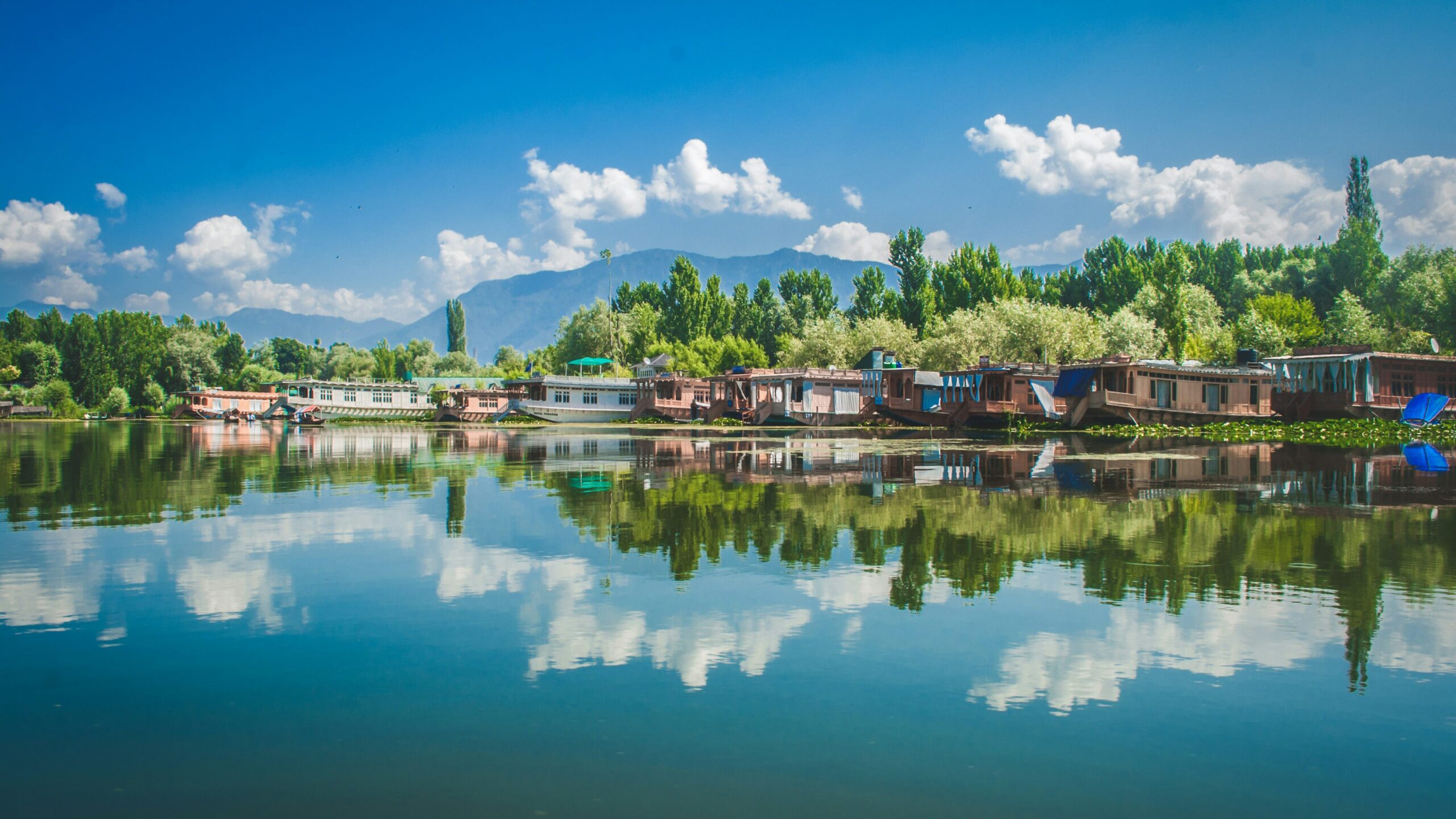
This is usually where everything starts to make sense. In most srinagar vs gulmarg vs pahalgam comparisons, Srinagar doesn’t stand out for one specific activity, but it quietly becomes the most important part of the kashmir trip. It acts as the entry and exit point for most travellers, which naturally makes it the center of movement.
It’s easier to settle here. Hotels are available in every category, from houseboats to standard and premium stays. Food options are more reliable, and local travel feels simpler compared to other regions. You’re not constantly packing and shifting, which reduces overall fatigue during the trip.
Srinagar also gives you breathing space. You can explore Mughal gardens, take a Shikara ride, visit local markets, or just spend time around Dal Lake without rushing. Even a free evening here feels well spent, especially after travel-heavy days.
Another practical advantage is connectivity. Gulmarg is around 1.5–2 hours away, and Pahalgam takes roughly 2–3 hours. Keeping Srinagar as a base helps avoid unnecessary hotel changes and repeated packing.
In many trips, Srinagar ends up being the most comfortable part — not because it has the most activities, but because it balances the entire plan and gives flexibility when needed.
Gulmarg — High Energy, Short Stay Destination
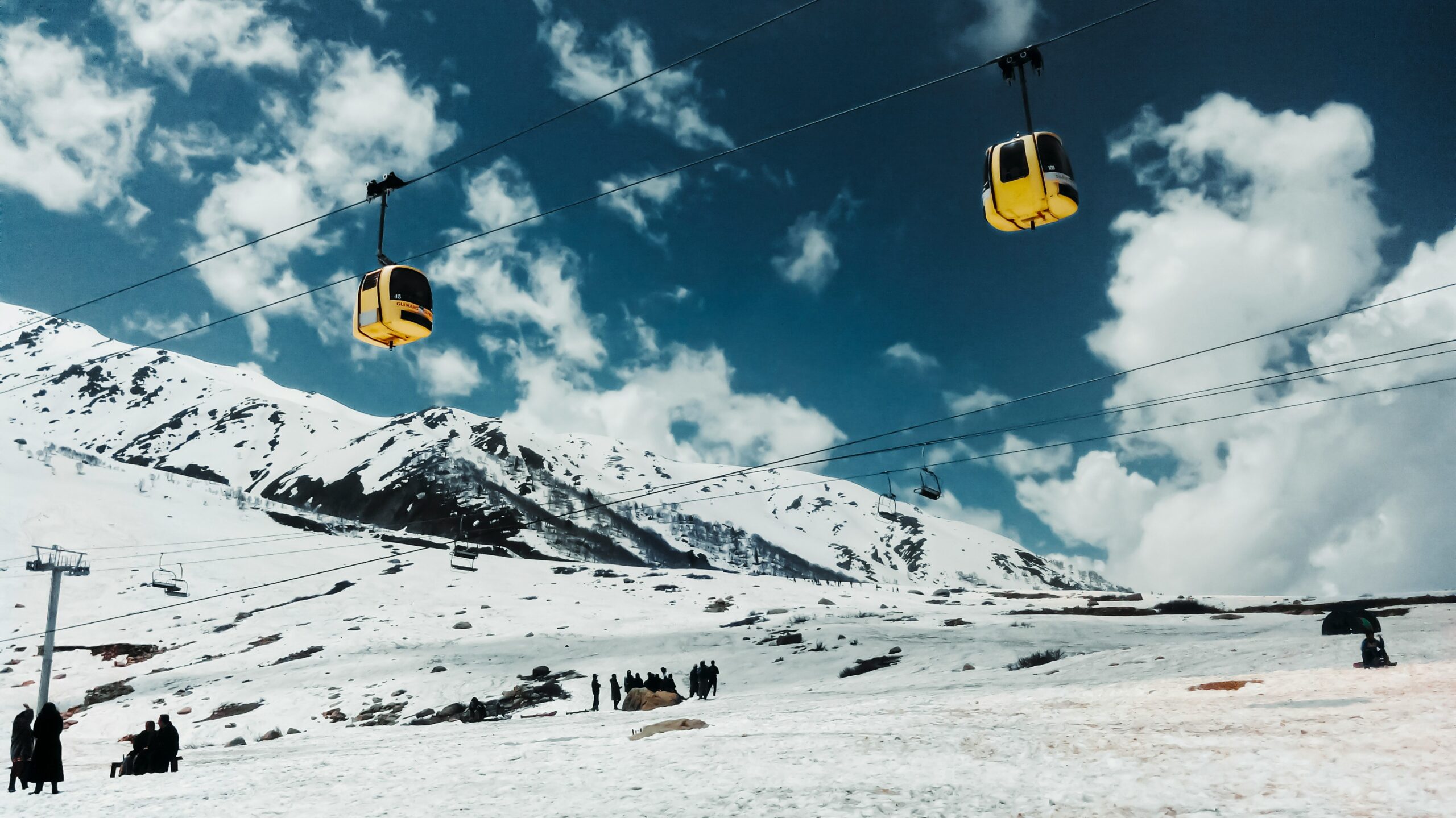
Gulmarg feels very different the moment you reach. It’s not a place where you casually explore; most people come here with a clear purpose. Snow, the Gondola ride, and open landscapes are the main reasons people include it in their plan.
The Gondola is the biggest highlight. It’s one of the highest cable cars in the world, and reaching Phase 2 depends heavily on weather and ticket availability. Couples planning romantic winter trips or snow experiences often prioritise this while browsing different Kashmir tour packages for couples, which is why planning ahead matters here more than anywhere else.
In winter, Gulmarg becomes all about snow — skiing, sledging, and basic snow activities. But what people don’t always expect is how dependent the experience is on weather. Visibility, snowfall, and Gondola access can change the entire day. Sometimes Phase 2 closes, and plans adjust on the spot.
In summer, it shifts to green meadows, golf courses, and open views. The weather feels pleasant, and the landscape looks completely different from winter. But even then, the core experience stays limited. You walk around, take in the views, maybe try Phase 1 Gondola — and that’s usually enough.
What makes Gulmarg work best is keeping it short and purposeful. It’s not a place to stretch for multiple days unless you’re specifically there for activities or snow sports.
The key with Gulmarg is timing and expectation. If planned right, it becomes one of the most memorable parts of the trip. If stretched unnecessarily, it can feel underwhelming.
Pahalgam — The Kind of Place That Slows the Trip Down
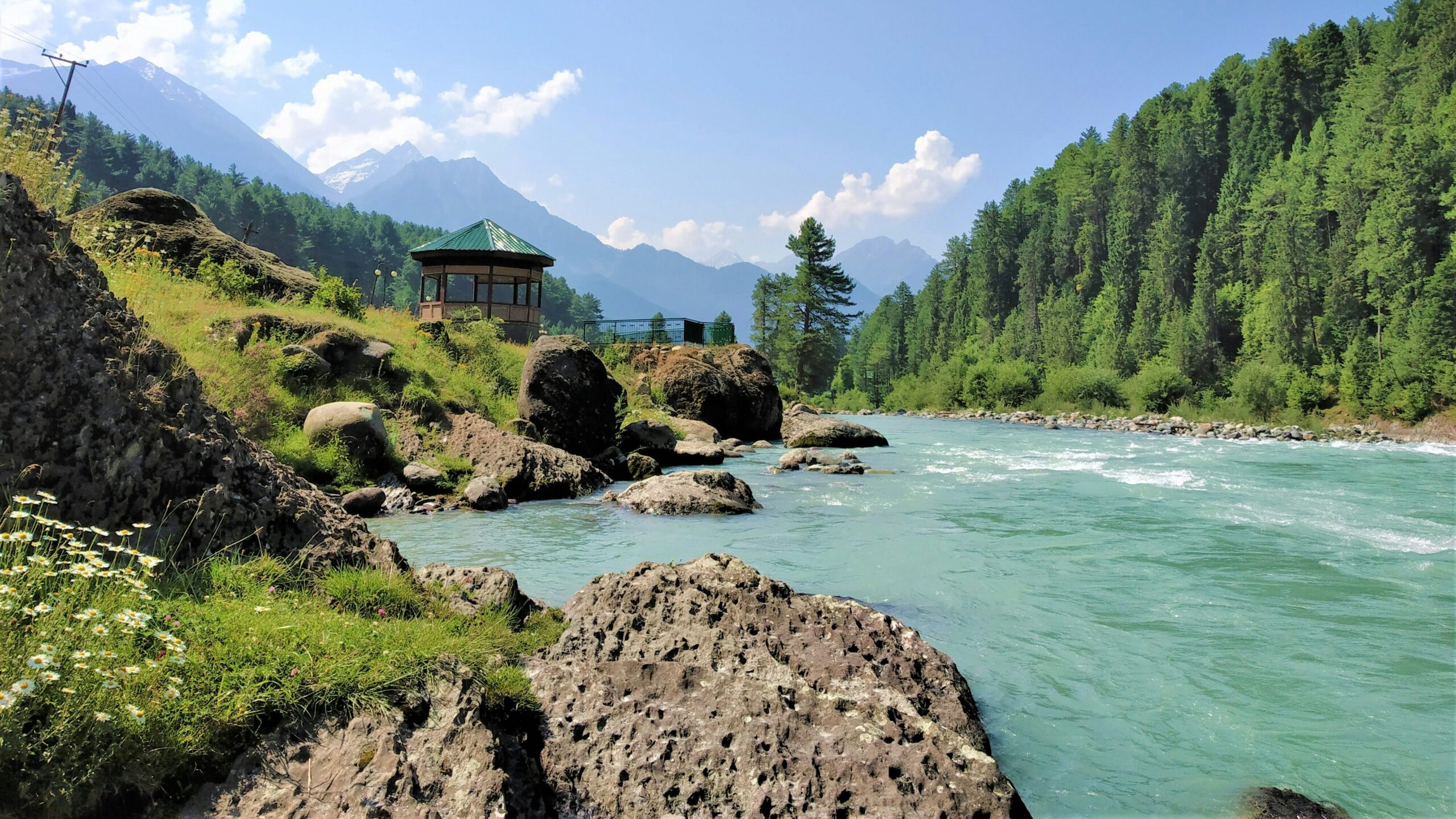
Pahalgam feels very different compared to other parts of Kashmir. It’s not built around one main activity, which is why people often get confused while comparing srinagar vs pahalgam which is better. The experience here is more about space, scenery, and time rather than ticking off attractions.
The region is spread out, and most sightseeing happens through designated local routes like Aru Valley, Betaab Valley, and Chandanwari. Private vehicles from outside are not allowed beyond a point, so you have to take union cabs (local taxis) for these areas. This is fixed and not optional, which many travellers don’t realise in advance.
Travel inside Pahalgam takes time. Each point is at a distance, and waiting time for local taxis can add to the day. So even if you start early, the day moves slowly compared to Srinagar.
What stands out here is the calm. Less crowd, open valleys, river views, and longer stops make it feel relaxed. But that only works if you’re not rushing to the next destination.
Adding Pahalgam in a short trip often stretches the plan because of travel time from Srinagar (around 2–3 hours one side). When given enough time, it becomes one of the most peaceful parts of the trip.
Putting All Three Side by Side — What Actually Matters
| Aspect | Srinagar | Gulmarg | Pahalgam |
| Overall Role in Trip | Works as the main base where most trips start and end | Activity-focused destination, usually added for a specific experience | Relaxation-focused, more about slowing down the trip |
| Best For | Balanced experience — sightseeing, markets, lake views | Snow, Gondola ride, skiing, quick day trip | Scenic valleys, calm surroundings, longer stays |
| Travel Time from Srinagar | Already in the city | 1.5–2 hours one side | 2–3 hours one side |
| Ideal Stay Duration | 2–3 nights | 1 day or 1 night max | 1–2 nights (if time allows) |
| Travel Style | Flexible, less tiring | Fixed activity-based visit | Slower pace, requires full-day planning |
| Local Travel Rules | Easy movement, no restrictions | Mostly direct access | Union cabs required for internal sightseeing |
| Energy Level Required | Low to moderate | Moderate (weather + activity dependent) | Moderate to high due to long internal routes |
| Experience Type | Relaxed + convenient | High-energy + short duration | Calm + spread out |
| Common Mistake | Underestimating its importance as a base | Staying longer than needed | Adding it in short trips and rushing |
| Works Best For | First-time travellers, families, flexible plans | Snow-focused trips | Slow travel and nature lovers |
Most people searching which is better gulmarg or pahalgam are actually trying to match their trip style, not just compare places.
And when planning a kashmir travel plan for 4 days, trying to fit all three often makes the trip feel tight instead of enjoyable.
Picking the Right Combination Based on Your Trip
Choosing between these places becomes easier once you stop looking at them individually and start thinking about your trip as a whole. Time, travel comfort, and the kind of experience you want matter more than trying to include everything. Many travellers assume covering all three will give a complete experience, but it often leads to tight schedules and long travel days. Families travelling with kids or older parents especially notice this while comparing different Kashmir packages for families and trying to fit too much into one itinerary. While planning a srinagar gulmarg pahalgam itinerary, the focus should be on balance — how much you can comfortably do without feeling rushed. A well-matched combination usually feels more complete than an overpacked plan.
Short trip (3–4 days)
Srinagar + Gulmarg works best here. Travel stays manageable, and you still get a mix of lake views and snow activities. Adding Pahalgam in this duration usually makes the plan tight.
Relaxed trip (4–5 days)
Srinagar + Pahalgam feels more balanced. You get time to explore slowly, enjoy scenic drives, and avoid constant hotel changes. This works well for families or couples.
Snow-focused trip
Gulmarg becomes the main highlight. Gondola rides, snow activities, and weather conditions shape the experience. Staying in Srinagar and doing a day trip is usually enough.
Scenic + slow travel
Pahalgam fits better here. It’s less about activities and more about open spaces, valleys, and longer peaceful stops.
Trying to cover all three
Only works when you have enough days. Otherwise, it turns into back-to-back travel, which feels tiring instead of enjoyable.
A Route That Actually Works Without Making the Trip Feel Rushed
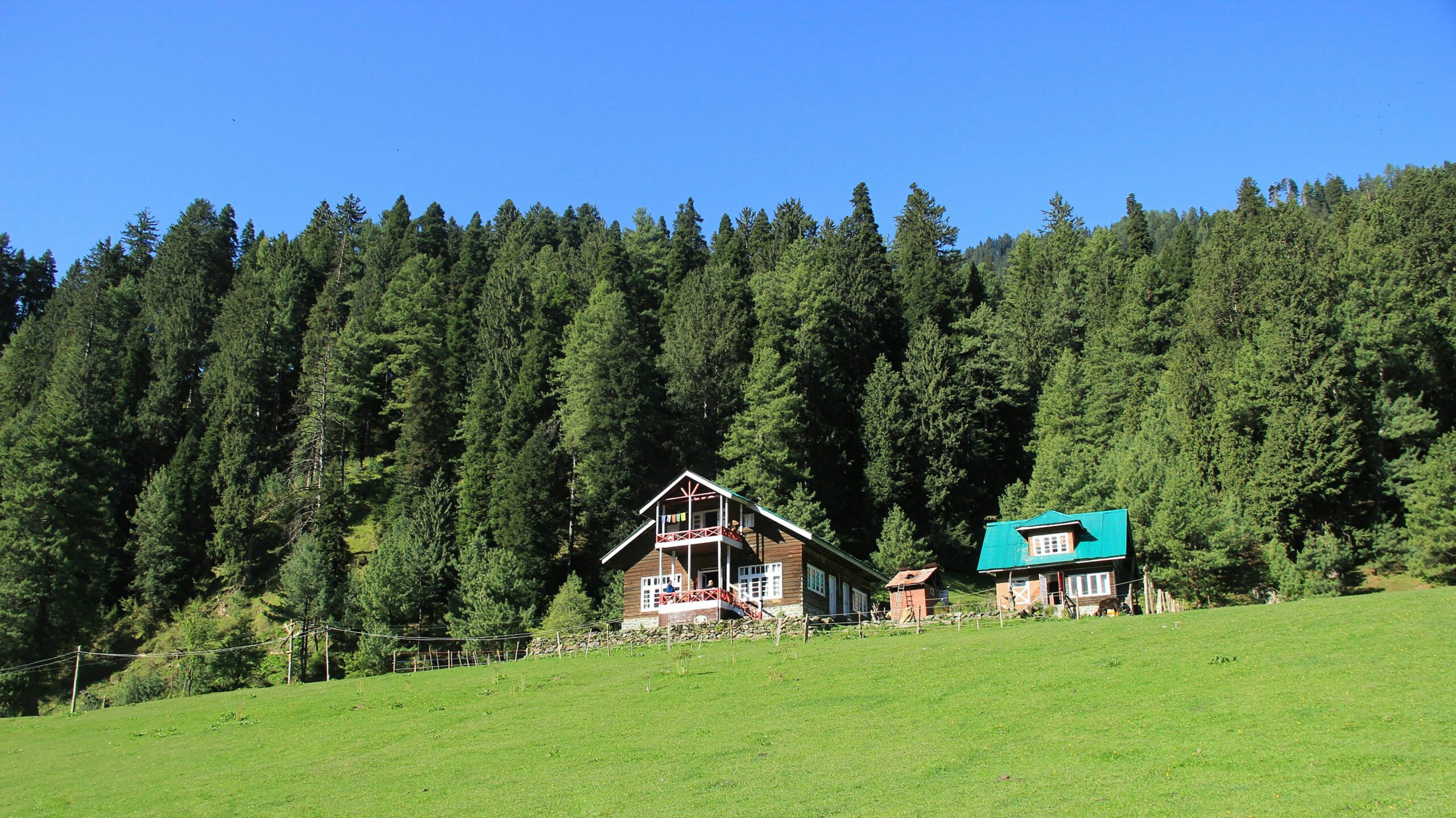
This is where planning becomes practical. Instead of trying to fit everything, the idea is to move in a way that feels manageable day by day. In most srinagar vs gulmarg vs pahalgam plans, the issue is not the route, it’s how tightly it’s packed.
A simple flow usually works better. Start with Srinagar, keep a day for local sightseeing and rest after arrival. Then add Gulmarg as a day trip or one-night stay, depending on timing and weather.
If you have extra days, include Pahalgam at the end instead of squeezing it in between. This avoids backtracking and reduces unnecessary travel.
The key is to avoid zig-zag movement. Moving back and forth between places wastes time and adds fatigue.
When the route is planned in a straight flow with enough space between travel days, the trip feels much smoother.
The Travel Reality People Usually Miss Until They’re There
Most plans look simple until the trip actually begins. Distances seem manageable, routes look close, and days feel easy to fit on paper. But once you’re on the road, things feel different. Travel takes longer than expected, weather can slow things down, and even small delays start adding up. This is where many travellers realise that planning based only on distance doesn’t work in Kashmir. Timing, road conditions, and daily energy levels play a much bigger role. Understanding how travel actually works on ground helps avoid tight schedules and makes the trip feel far more comfortable.
The gulmarg pahalgam distance from srinagar may look manageable on the map, but both sides take a few hours each. Add traffic, road conditions, and short stops, and a full day can easily go into just one location.
Many travellers plan Gulmarg and Pahalgam on back-to-back days without realising how tiring that becomes. Even 2–3 hours in the hills doesn’t feel like highway travel. Turns, elevation, and stops slow things down.
Something else people don’t expect is fixed local systems. In Pahalgam, sightseeing is done through union cabs, and rates are pre-decided. You can’t use your private vehicle beyond certain points, which adds both time and cost.
This is where BYO Tour Packages usually guides travellers differently — spacing out travel days, avoiding back-to-back long drives, and keeping the plan realistic based on actual on-ground conditions.
Once travel is planned with real timings in mind, the entire trip starts feeling much smoother.
Small Mistakes That Change the Whole Experience
Most trips don’t go wrong because of the destination, they get affected by small planning decisions. Things look manageable while creating the plan, but once the journey starts, gaps begin to show. Tight schedules, long travel days, and missed details slowly build pressure. People realise this only after reaching, when adjusting becomes difficult. A slightly more relaxed plan with realistic timing usually avoids most of these issues. Paying attention to how days are structured, not just what is included, makes a big difference in how the trip actually feels.
Trying to cover all three in limited days
Looks doable on paper, but turns into constant travel. Most of the time goes in moving instead of enjoying. Instead of experiencing each place properly, you end up checking them off quickly without actually settling in.
Back-to-back day trips
Doing Gulmarg and Pahalgam on consecutive days feels exhausting. Even if each is 2–3 hours away, the round trip, waiting time, and sightseeing stretch the day. By the third day, the trip starts feeling more tiring than enjoyable.
Ignoring local taxi rules
In places like Pahalgam, union cabs are mandatory for internal sightseeing. These have fixed routes and pricing, and you may need to wait depending on availability. Not factoring this in can delay your entire day.
Overestimating energy levels
Hill travel is different from city travel. Curves, altitude, and continuous movement take more effort. What feels manageable on day one often becomes tiring by day two, especially for families or older travellers.
Choosing remote hotels for views
Staying far from main areas may offer better views, but daily travel increases. Even short outings require extra time and effort, which adds up over the trip and reduces overall comfort.
Not keeping extra time for delays
Weather conditions, traffic near tourist spots, or small hold-ups during the day can shift your schedule. Without some flexibility, plans start feeling rushed and stressful.
Planning every hour of the day
Keeping the schedule too tight leaves no space to relax. Small moments like sitting by the lake or taking an unplanned break often become the best parts of the trip.
Assuming everything will go exactly as planned
Travel rarely works that way. Minor changes happen, and plans need small adjustments. A flexible approach usually keeps the trip smoother and less stressful.
Making the Right Choice Without Overthinking It
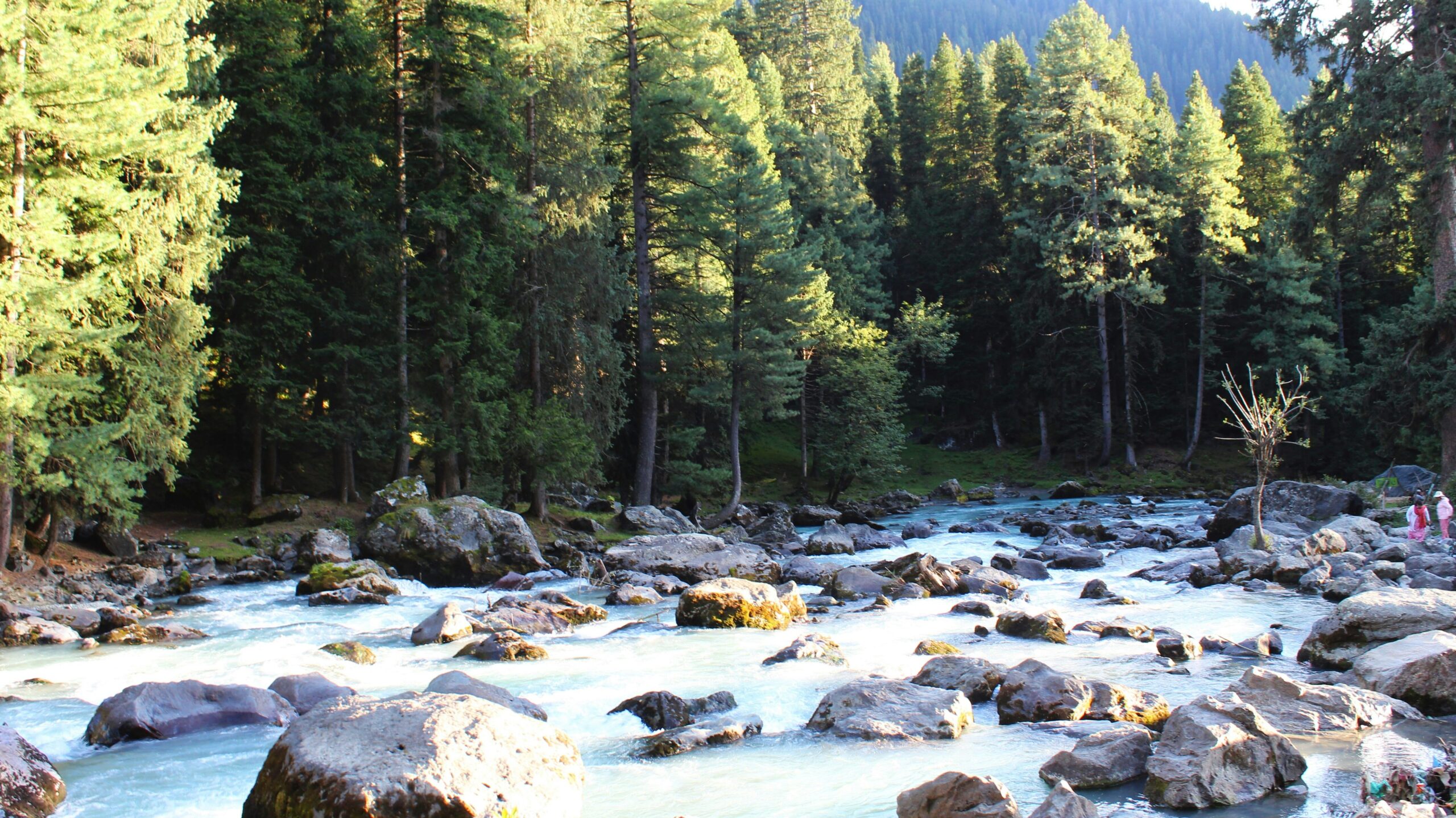
By this point, most travellers already have a rough idea of what suits them, but still hesitate while deciding. The confusion usually comes from trying to make the “perfect” choice instead of a practical one.
If your trip is short and you want a mix of experience, Srinagar with Gulmarg works well. If you prefer a slower pace with more time to relax, Srinagar with Pahalgam feels more comfortable. That’s usually where the answer to which is better gulmarg or pahalgam becomes clear — it depends on what you want more, activity or calm.
Trying to include everything often creates more pressure than value. A simple plan with fewer places usually feels more complete.
Once you match your days, energy, and expectations with the right combination, the decision becomes much easier and the trip feels more natural.
A Clear Takeaway That Makes Planning Easier
By this stage, the decision usually feels less confusing and more practical. These places are not meant to compete, they’re meant to fit into a trip based on time and comfort. Treating all three equally is where plans start feeling tight.
The key is to match your days, travel energy, and expectations with the right combination. When the plan is built around pace instead of just places, the experience feels smoother.
Srinagar keeps things flexible and easy to manage. You can slow down, explore at your own pace, and not feel rushed.Gulmarg adds a short, activity-focused experience. It works best when timed right and doesn’t need to be stretched.Pahalgam brings in a slower, more relaxed side. But it needs proper time, otherwise it feels incomplete.
A simpler plan with fewer movements usually gives a better experience than trying to cover everything. It allows you to actually spend time at each place instead of just passing through it. Days feel less rushed, travel feels lighter, and there’s space to pause without constantly watching the clock.
When you’re not shifting hotels every day or rushing to the next spot, even small moments start to stand out more. The trip feels more relaxed, and overall, much more enjoyable for everyone involved.
Timing Matters More Than People Expect
The experience of these places changes a lot based on the time you choose to travel. People usually fix dates first and then build the plan, but that’s where things don’t always align. While creating a kashmir travel plan for 4 days, choosing the right timing for each place makes the experience smoother.
Gulmarg (Snow Timing)
Best for snow from December to February, sometimes extending into early March. This is when skiing, Gondola Phase 2, and snow activities are fully active. Outside winter, snow is not guaranteed, so expectations need to be set accordingly.
Pahalgam (Greenery & Scenic Views)
Looks its best from April to September. Valleys are open, rivers are flowing, and local routes like Aru and Betaab Valley are fully accessible. Winter visits are possible but limited in terms of internal sightseeing.
Srinagar (Works Year-Round)
This is the most flexible location. Gardens, Dal Lake, and local markets can be explored in any season. It also acts as a stable base even when weather affects nearby destinations.
Aligning your travel dates with these patterns usually makes the whole trip feel smoother and more predictable. Instead of adjusting plans after reaching, aligning destinations with the right season keeps the trip more predictable and enjoyable.
Where Your Budget Actually Changes Between These Three
Cost is something people usually realise after planning the route. On paper, all three places seem similar, but once you break it down, each one adds expenses in a different way.
Gulmarg → Higher due to activities
This is where costs go up quickly. Gondola tickets, snow activities, skiing, guides, and gear rentals are all extra. Even basic snow activities are paid, and prices can increase during peak season.
Pahalgam → Local taxi expenses
Here, the main cost comes from internal travel. Union cabs are required for sightseeing points like Aru Valley and Betaab Valley. These have fixed rates, and you usually can’t negotiate or use your own vehicle.
Srinagar → More flexible spending
Srinagar gives you more control over your budget. You can choose between houseboats or hotels, explore local markets, and plan activities as per your comfort without mandatory extra costs.
The difference is not in the destination, but in how money gets spent. Understanding this helps in planning a trip that fits your budget without surprises.
Bringing It All Together Before You Finalise
By now, the comparison of srinagar vs gulmarg vs pahalgam usually becomes clearer. It’s not about picking one winner, but about understanding how each place fits into your trip.
Most travellers feel confused at the start, but once you look at time, travel, and pace together, the decision becomes much simpler. You don’t need to force all three into one plan to make the trip feel complete.
Srinagar gives you flexibility, Gulmarg adds a focused experience, and Pahalgam brings in a slower pace. The right mix depends on how you want the trip to feel, not just what you want to cover.
When the plan is built around comfort and realistic movement, everything falls into place naturally.
When Skipping a Place Actually Makes the Trip Better
Not every place fits every kind of traveller. Trying to include everything often creates more pressure than value. While deciding which is better gulmarg or pahalgam, it also helps to know when skipping one actually improves the experience.
Elderly travellers
Gulmarg can feel slightly demanding due to weather and movement, especially during snow. Pahalgam involves longer drives and local taxi transfers. In many cases, keeping the trip centered around Srinagar with one short outing works more comfortably.
Short trips (3–4 days)
Adding all three usually makes the plan tight. Travel time takes up most of the day, leaving very little time to actually enjoy the place. It’s better to pick two and keep the pace manageable.
Budget travellers
Gulmarg can get expensive with activities and Gondola tickets. Pahalgam adds fixed local taxi costs. Srinagar gives more flexibility, where you can adjust hotels, activities, and daily plans based on your budget.
Sometimes, removing one place makes the trip feel lighter, more relaxed, and easier to manage.
The Choice That Shapes Your Entire Kashmir Trip
By the end of it, the confusion around srinagar vs gulmarg vs pahalgam usually comes down to one thing — how you want your trip to feel. These places are not competing with each other, they simply offer different experiences.
Trying to include everything often makes the plan heavy, while choosing the right combination makes it smoother. When you match your days, travel comfort, and expectations properly, the trip starts feeling natural instead of rushed.
In most cases, less really works better here. A balanced plan, with enough time in each place, always feels more complete than covering everything quickly.
Things People Usually Ask Before Finalising
By the time people reach this stage, most of the planning is already done. What remains are a few practical doubts — not about places, but about how things will actually work on ground. These are the kind of questions that come up in real conversations, especially when someone is trying to finalise their plan without making it too complicated.
Can I cover Srinagar, Gulmarg, and Pahalgam in one trip?
It works only when you have enough time to cover everything without rushing. On shorter trips, it usually feels rushed and travel-heavy.
Which place is best for snow?
Gulmarg is the most reliable for snow, especially during winter months.
Is Pahalgam worth adding?
Yes, but only if you have time. It needs a slower pace to actually enjoy the experience.
Is Srinagar enough on its own?
It can be, especially for a short and relaxed trip with minimal travel.
Which combination works best for first-time travellers?
Srinagar + Gulmarg is usually the safest and most balanced option.
Will travel feel tiring between these places?
It can, if planned back-to-back. Spacing out travel days makes a big difference.