
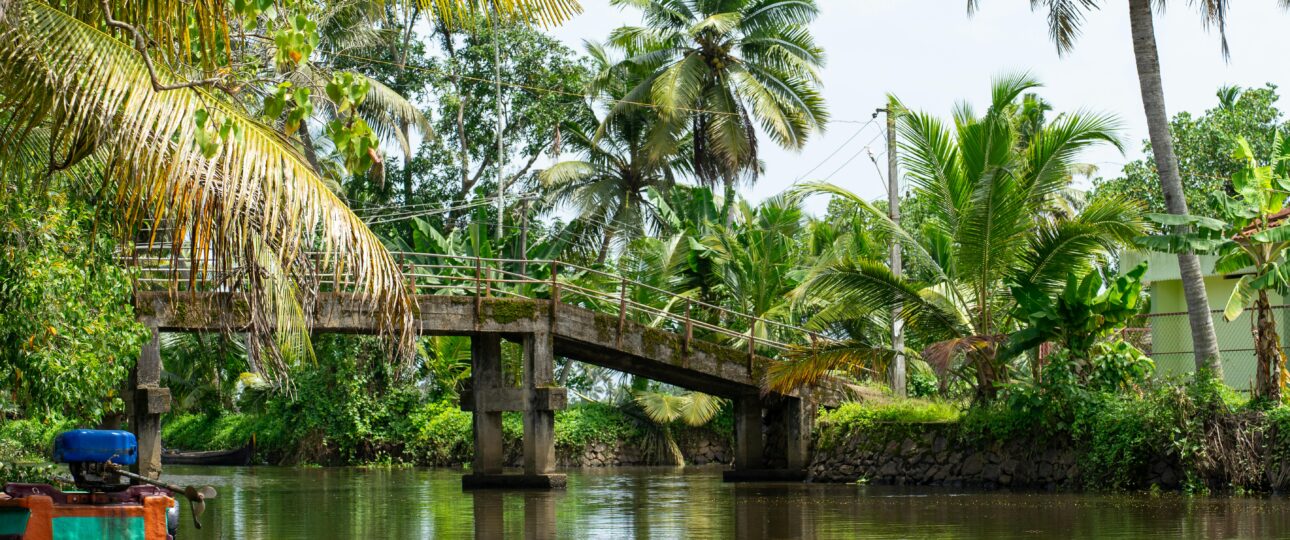
Kerala doesn’t hit you instantly like some destinations. It grows on you slowly. The greenery feels endless, the roads curve through hills and backwaters, and somewhere in between, you realize you’ve stopped checking your phone. Most people come for houseboats, but what stays longer are small moments—tea stalls, quiet drives, and views that don’t even show up in itineraries.
There’s also a certain rhythm here that people don’t expect. Mornings start slow, roads aren’t rushed, and even sightseeing feels unhurried. You don’t really “cover” Kerala the way you do other destinations—you experience it in parts. That’s why many travelers end up enjoying places they didn’t initially plan for.
What many travelers don’t realize is how important planning is here. Distances look short on Google, but travel takes time because of winding roads and traffic in hill areas. A rushed Kerala trip feels tiring, not relaxing. But when the pace is right, the experience becomes smooth, almost effortless, and that’s when Kerala actually starts making sense.
This is also where most people start exploring different options, especially when looking at Popular Tour Packages for Kerala. Not because they want something fancy, but because structuring the route properly saves time and avoids unnecessary travel stress. A well-planned trip here doesn’t just look good on paper—it actually feels better when you’re on the road.
History of Kerala
Kerala’s history isn’t something you only read about—it shows up in small, everyday details. Walk through Kochi and you’ll notice Portuguese-style houses, old Dutch buildings, and British-era structures all standing together without trying too hard to stand out. It doesn’t feel curated, it just exists naturally.
Long before tourism became a thing, Kerala was already connected to the world through the spice trade. Black pepper, cardamom, cinnamon—these weren’t just local products, they were global commodities. Traders from Arabia, China, and later Europe came here regularly, which slowly turned Kerala into a melting pot of cultures.
You can still see that influence in architecture, food, and even language. Some local dishes carry Middle Eastern touches, while certain areas still reflect European layouts. It’s subtle, but once you notice it, you can’t ignore it.
The arrival of the Portuguese in the late 15th century marked a major shift. They established trading centers and introduced Christianity more formally into the region. Later, the Dutch and British followed, each leaving behind their own systems, buildings, and cultural footprints.
But what stands out is how these influences blended rather than replaced what already existed. Hindu temples, mosques, and churches developed side by side, often within the same neighborhoods. This coexistence wasn’t forced—it evolved over time, which is why it still feels natural today.
Kerala also moved ahead early in areas like education and healthcare. Even today, literacy rates and public systems here are stronger compared to many other states. That’s one reason travelers often feel that Kerala is more organized, cleaner, and easier to navigate.
So when people talk about Kerala tourism, they often focus on landscapes. But the real depth comes from its history—the way different cultures arrived, stayed, and became part of the same story without losing their own identity.
Art & Culture of Kerala
Kerala’s culture doesn’t feel staged or performed for tourists—it’s something you notice in everyday life. From temple rituals to local festivals, everything feels part of a routine rather than an attraction. Even simple things like traditional clothing or morning prayers give you a sense that culture here is still actively lived, not just preserved.
Kathakali is often the first thing people associate with Kerala, but watching it live is very different from seeing photos. The makeup is detailed, but the real impact comes from expressions and slow, controlled movements. It takes patience to understand, but once you get into it, the storytelling feels powerful and intense.
Mohiniyattam, on the other hand, feels softer and more fluid. It doesn’t demand attention the same way Kathakali does, but it grows on you gradually. There’s a certain calmness in the performance that matches Kerala’s overall vibe.
Festivals like Onam bring everything together in a way that feels personal rather than commercial. Homes are decorated with flower patterns, families gather for traditional meals served on banana leaves, and there’s a sense of community that’s hard to miss. It’s not something arranged for visitors—it’s something you get to witness.
Temple festivals are another experience people don’t always expect. Decorated elephants, traditional drum performances, and large gatherings create an atmosphere that feels intense yet deeply rooted in tradition. It can be overwhelming at first, but it leaves a strong impression.
Food is also a big part of Kerala’s culture, and it’s more diverse than people assume. Coconut is used in multiple forms—grated, milk, oil—and it changes the flavor completely. From appam and stew to seafood curries, the taste feels different but familiar enough to enjoy.
What stands out most is how naturally all these elements come together. Nothing feels forced or overly polished. It’s this balance between tradition and everyday life that makes Kerala’s culture feel genuine rather than something designed for display.
Famous Tourist Destinations in Kerala
Kerala isn’t about one single place—it’s about how different destinations connect with each other. Hills, backwaters, beaches, and cities all come together in one route. That’s why planning matters here. Most trips follow a flow rather than random stops, and once you get that sequence right, the experience feels much smoother and more complete.
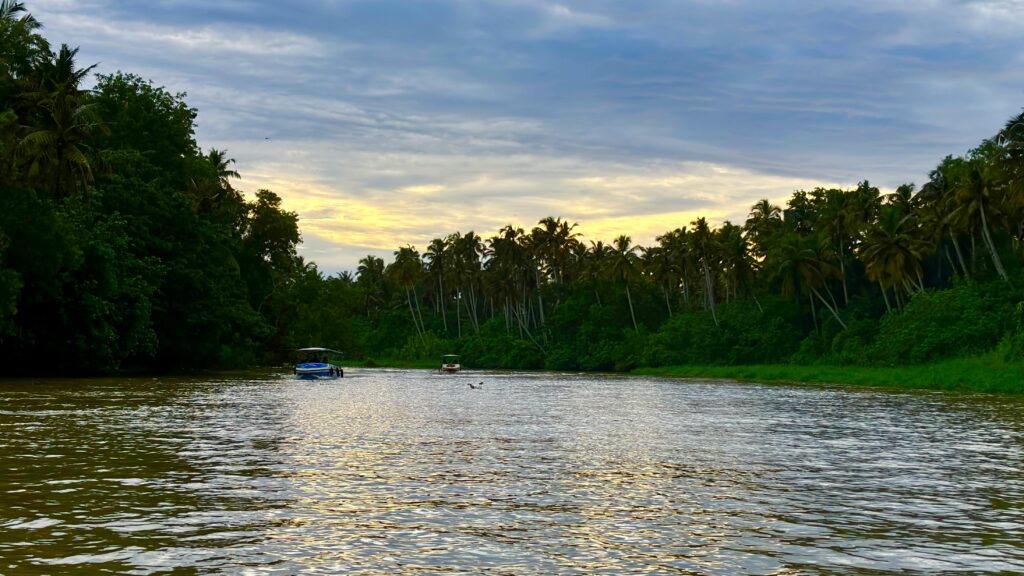
Each destination in Kerala has its own pace and personality. Some places are meant for relaxing, others for exploring, and a few are simply transit points that still surprise you. The key is not trying to do everything, but choosing what actually fits your travel style and time.
Kochi
Kochi is where most Kerala trips naturally begin, and honestly, it’s the easiest starting point. With a well-connected airport and railway station, this is where most tours kick off. Whether you arrive by flight or train, pickups are usually arranged directly from the airport or station, making the start of the journey smooth and hassle-free.
The city itself has a different feel compared to the rest of Kerala. Fort Kochi, in particular, has a calm, almost European vibe. Colonial buildings, art cafés, and narrow streets make it ideal for slow walks rather than rushed sightseeing. It’s the kind of place where you don’t need a strict plan—just walk and explore.
The Chinese fishing nets along the coastline are something you’ll definitely notice. They’re not just there for photos; they’re still actively used, which adds a layer of authenticity. Watching them operate during sunset is one of those simple experiences people remember.
Mattancherry is another area worth spending time in. The Jewish Synagogue and Dutch Palace give a glimpse into Kochi’s layered history without feeling too heavy or academic. It’s easy to explore in a few hours, but still leaves an impression.
Food in Kochi is often underrated. Small cafés and local restaurants serve some of the best seafood in Kerala. Many travelers don’t plan this part well and end up missing out on what could easily be a highlight.
Kochi works best when you don’t treat it as just an arrival point. Spend some time here, ease into the trip, and let the pace settle. It sets the tone for the rest of your Kerala journey.
Wayanad
Wayanad feels different the moment you enter. It’s not as polished or structured as places like Munnar, and that’s exactly its appeal. Surrounded by forests and hills, it has a raw, untouched charm that works best for people who prefer quieter, less crowded travel experiences.
The drives here are a big part of the experience. Long stretches of road with dense greenery on both sides, occasional fog, and very little noise—it feels almost cinematic at times. Many travelers actually remember these drives more than the destinations themselves, especially during early mornings or after light rain.
Places like Edakkal Caves add a slightly adventurous element. It’s not just a quick visit—you need to hike a bit to reach the top. The carvings inside the caves and the view from above make the effort worthwhile. It’s one of those spots that feels rewarding rather than just another stop.
Banasura Sagar Dam is another popular attraction. It’s wide, scenic, and surprisingly calm if you visit early in the day. You can spend time walking around or just sitting and taking in the view. It’s simple, but that’s what makes it enjoyable.
Waterfalls like Soochipara and Meenmutty come alive during the monsoon and post-monsoon season. But reaching some of them involves short treks, which means they’re not always suitable for everyone. Still, for those who don’t mind a bit of effort, they’re worth it.
One thing people often underestimate is the distance between attractions. Wayanad isn’t compact, and travel between spots can take longer than expected. That’s why tight itineraries don’t really work here. If you try to rush, it starts feeling tiring instead of relaxing.
Wayanad works best when you slow things down. Stay a little longer, explore fewer places, and let the surroundings do their thing. It’s less about checking off locations and more about enjoying the space in between.
Kozhikode
Kozhikode doesn’t try too hard to attract tourists, and maybe that’s why it feels so real. It’s a city that moves at its own pace, with a strong local identity built around history, trade, and food. This is where Vasco da Gama first landed, but honestly, the city today feels more about everyday life than historical storytelling.
Walking through Kozhikode, you’ll notice that it’s less about attractions and more about atmosphere. Markets are active, streets feel lived-in, and there’s a certain rhythm that doesn’t depend on tourism. It’s not curated, and that’s what makes it interesting for people who want to see a more authentic side of Kerala.
Kozhikode Beach is simple, but evenings here are surprisingly lively. Locals gather in groups, food stalls open up, and the whole place feels active without being chaotic. It’s not about scenic perfection—it’s about the vibe.
Food is where Kozhikode really stands out. Malabar cuisine here has its own identity, and the biryani is often the highlight. It’s lighter, more aromatic, and different from what most people expect. Small local restaurants often serve better food than bigger ones.
Kozhikode may not be a must-visit for everyone, but if you include it, it adds a layer of authenticity to your Kerala trip that more tourist-heavy places don’t offer.
Periyar (Thekkady)
Periyar is usually included in Kerala itineraries for its wildlife experience, but it’s important to come with the right expectations. Animal sightings aren’t guaranteed, and that’s where many travelers feel disappointed. The real experience here is more about being in the forest than spotting wildlife.
The Periyar Lake boat ride is one of the main activities. It’s calm, slow, and gives you a chance to see animals along the banks if you’re lucky. Even if you don’t spot much, the surroundings themselves make the ride worthwhile.
Spice plantations are another big part of Thekkady. Guided tours take you through plantations where you learn how spices like cardamom, pepper, and cinnamon are grown. It’s simple, but once you start understanding it, it becomes quite engaging.
For those who want something more active, there are trekking and nature walk options available. These are usually guided and take you deeper into the forest, offering a more immersive experience.
Periyar works best as a one-night stop between Munnar and Alleppey. Staying longer might feel repetitive unless you’re specifically interested in wildlife or slow nature-based experiences.
Kovalam
Kovalam is one of those places where you don’t feel the need to do much. It’s relaxed, easygoing, and doesn’t have the chaos you might expect from popular beach destinations. The entire experience here is built around slowing down.
Lighthouse Beach is the main attraction, and it’s where most of the activity happens. Climbing the lighthouse gives you a clear, wide view of the coastline, which is actually worth the effort. The beach itself is clean and comfortable for spending a few hours without rushing.
The cafés along the beach create a very laid-back vibe. You’ll find people sitting for long periods, eating, reading, or just watching the sea. It’s not a place for packed itineraries—it’s more about unwinding.
Kovalam is also known for Ayurveda and wellness centers. Many travelers include massages or therapy sessions here, especially towards the end of their trip. It adds a different dimension beyond just sightseeing.
Evenings in Kovalam feel simple but complete. The sunsets aren’t dramatic, but they’re consistent and peaceful, making it a good place to pause before heading back.
Alleppey
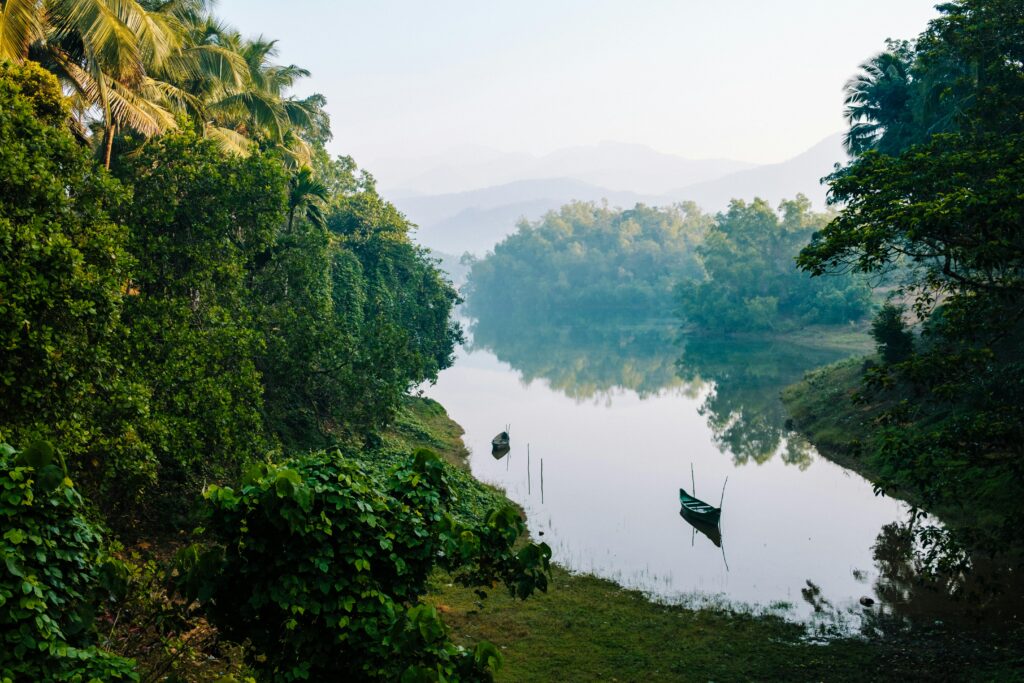
Alleppey is where Kerala’s backwater experience becomes more than just an idea. Once you’re on a houseboat, the pace changes completely. The boat moves slowly through narrow canals, with coconut trees and small villages passing by quietly.
What surprises most people is how calm everything feels. There’s no rush, no noise—just water, greenery, and time moving a little slower than usual. It’s less about seeing things and more about being present.
But not all houseboats offer the same experience. Budget options can feel basic, with limited comfort and service, while premium boats provide a much smoother and more enjoyable stay. This is one place where choosing the right option really matters.
Meals on houseboats are often a highlight. Freshly cooked local food, served while you’re surrounded by water, adds to the experience in a way that’s hard to explain but easy to enjoy.
If staying overnight feels like too much, even a day cruise works well. It gives you a good sense of the backwaters without committing too much time, while still keeping the experience intact.
Munnar
Munnar stands out because it feels consistently beautiful, not just in specific spots but throughout the journey. Tea plantations stretch endlessly across rolling hills, and early mornings bring mist that completely changes the mood. It’s one of those places where even stopping your car randomly feels worth it.
The drives here are honestly half the experience. Winding roads, sudden viewpoints, and cool weather make the journey feel as important as the destination. You don’t really need a packed itinerary—just moving through Munnar itself feels satisfying.
Popular spots like Top Station and Echo Point offer wide, open views, but they can get crowded during peak season. Still, if you time your visit early, the experience feels much more peaceful. The tea museum is often skipped, but it actually adds context to everything you see around.
Munnar does get busy, especially in peak months, but it still manages to hold its charm. The key is to slow down, avoid rushing between points, and enjoy the atmosphere rather than just ticking off locations.
Varkala
Varkala feels different the moment you arrive, mainly because of its unique cliffside setting. Instead of flat beaches, you have cafés and pathways running along the edge, overlooking the sea. It creates a view that feels both relaxing and slightly dramatic at the same time.
Walking along the cliff becomes part of the daily routine here. Small shops, cafés, and viewpoints keep things interesting without feeling crowded. Evenings, especially around sunset, are when the place really comes alive in a calm, unhurried way.
The beach below is clean and less commercial compared to other popular destinations. The waves can be slightly stronger, so swimming depends on conditions, but the overall experience remains enjoyable.
Varkala also has a subtle spiritual side. Temples and rituals attract visitors throughout the year, adding another layer to the place. It’s this mix of relaxation and character that makes Varkala stand out without trying too hard.
Kumarakom
Kumarakom offers a more refined and quieter version of Kerala’s backwater experience. Unlike Alleppey, which feels more active with houseboats, Kumarakom is about stillness, space, and comfort. Resorts here are designed for privacy, which is why honeymoon travelers often prefer this side.
The surroundings feel less crowded, with fewer boats and more open water views. Staying in a lakeside resort gives you direct access to the backwaters without needing to move around too much. It’s ideal for people who want to relax rather than explore continuously.
The Kumarakom Bird Sanctuary adds a different element to the experience. It’s not overly dramatic, but for nature lovers, it offers peaceful walks and chances to spot migratory birds depending on the season.
It’s slightly more expensive compared to Alleppey, but the experience feels more curated. If your priority is comfort and calm rather than activity, Kumarakom fits better.
Trivandrum
Trivandrum, or Thiruvananthapuram, is often treated as just a transit city, but it has more to offer than people expect. The Padmanabhaswamy Temple is the main attraction, known for its architecture and deep cultural significance. Even for non-religious visitors, it leaves an impression.
The city feels more organized and less chaotic compared to many other capitals in India. Roads are relatively clean, and moving around is easier, which makes it comfortable to explore for a day.
Museums, parks, and cultural centers add structure to the city. They may not feel overwhelming, but they give you a better understanding of Kerala beyond its landscapes.
Spending some time in Trivandrum, especially towards the end of the trip, helps balance the overall experience. It adds a touch of culture and city life before you wrap things up.
Best Things to Do, Discover & Experience in Kerala Tour
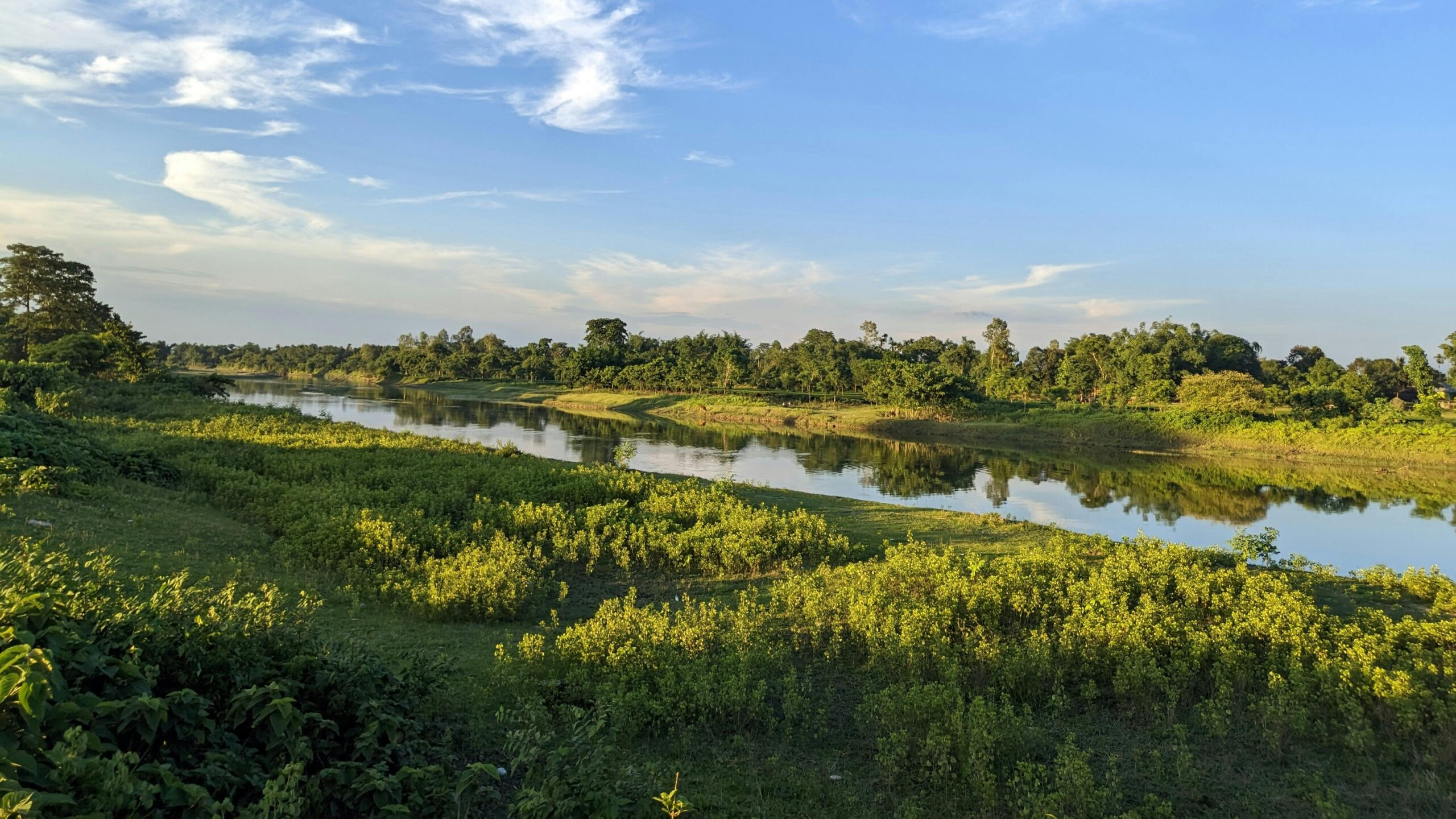
When people search for the best things to do in Kerala, they usually think of houseboats and beaches. But the real experience goes beyond that. It’s about slow drives, hill views, local food, and moments that don’t feel planned but end up becoming the highlight.
Kerala Hill Stations
Kerala’s hill stations offer a completely different side of the state, especially if you’re coming from busy cities. The air feels lighter, the temperature drops, and everything slows down a bit. It’s not just about sightseeing—it’s about the overall atmosphere.
Munnar is the most popular, and for good reason. Endless tea plantations, misty mornings, and scenic drives make it feel consistently beautiful. Even if you don’t visit specific points, just being there feels enough. Early mornings are usually the best time, before the crowds start building up.
Wayanad, on the other hand, feels more raw and spread out. It’s less commercial and more nature-focused. The experience here depends a lot on how you explore it—rushing doesn’t work well. It’s better suited for people who enjoy quiet surroundings and don’t mind a bit of travel between spots.
Vagamon is often overlooked, but that’s exactly what makes it interesting. It’s quieter, less crowded, and perfect if you’re looking to avoid tourist-heavy areas. Open meadows, pine forests, and viewpoints give it a slightly different feel compared to Munnar.
What makes Kerala’s hill stations stand out is not just the views, but how everything connects—the drives, the weather, and the pace. It’s one of those experiences where doing less actually gives you more.
Waterfalls & Lakes
Waterfalls in Kerala aren’t just seasonal attractions—they change the whole mood of the place, especially during and after the monsoon. Athirappilly Falls is the most talked about, and once you see it in full flow, you understand why. The sound, the mist, and the sheer scale make it feel much bigger than expected.
But it’s not just about one waterfall. Kerala has several smaller ones like Vazhachal and Meenmutty that feel less crowded and more personal. Some require short treks to reach, which actually adds to the experience rather than taking away from it. The journey becomes part of the memory.
Lakes like Vembanad bring a completely different kind of calm. The water is still, the surroundings are quiet, and everything feels slower. Whether it’s a short boat ride or just sitting by the edge, these lakes create moments where you don’t feel the need to rush anywhere.
Kerala Wildlife
Wildlife in Kerala is less about dramatic sightings and more about being part of the environment. Places like Periyar Wildlife Sanctuary offer boat safaris and guided walks, but the experience isn’t built around spotting animals every few minutes. It’s quieter, more patient.
The forests here feel dense and alive, even when you don’t see much movement. Sometimes it’s just the sound of birds, rustling leaves, or distant animal calls that make the experience feel real. It’s not staged, and that’s what makes it different.
Guided treks and nature walks add depth to the visit. Walking through these areas with someone who understands the forest changes how you see things. It’s less about ticking off sightings and more about understanding how everything around you works together.
Yoga & Ayurveda
Kerala is one of those places where wellness doesn’t feel like a trend—it feels rooted in everyday life. Ayurveda here isn’t just about spa treatments; it’s a structured system that focuses on balance, recovery, and long-term health. That’s why many travelers specifically plan their trip around it.
Resorts and wellness centers offer therapies ranging from simple massages to full treatment programs that last several days. These are usually guided by trained practitioners, not just therapists, which makes a difference. It’s not rushed or superficial—the process takes time, and that’s where the real benefit comes in.
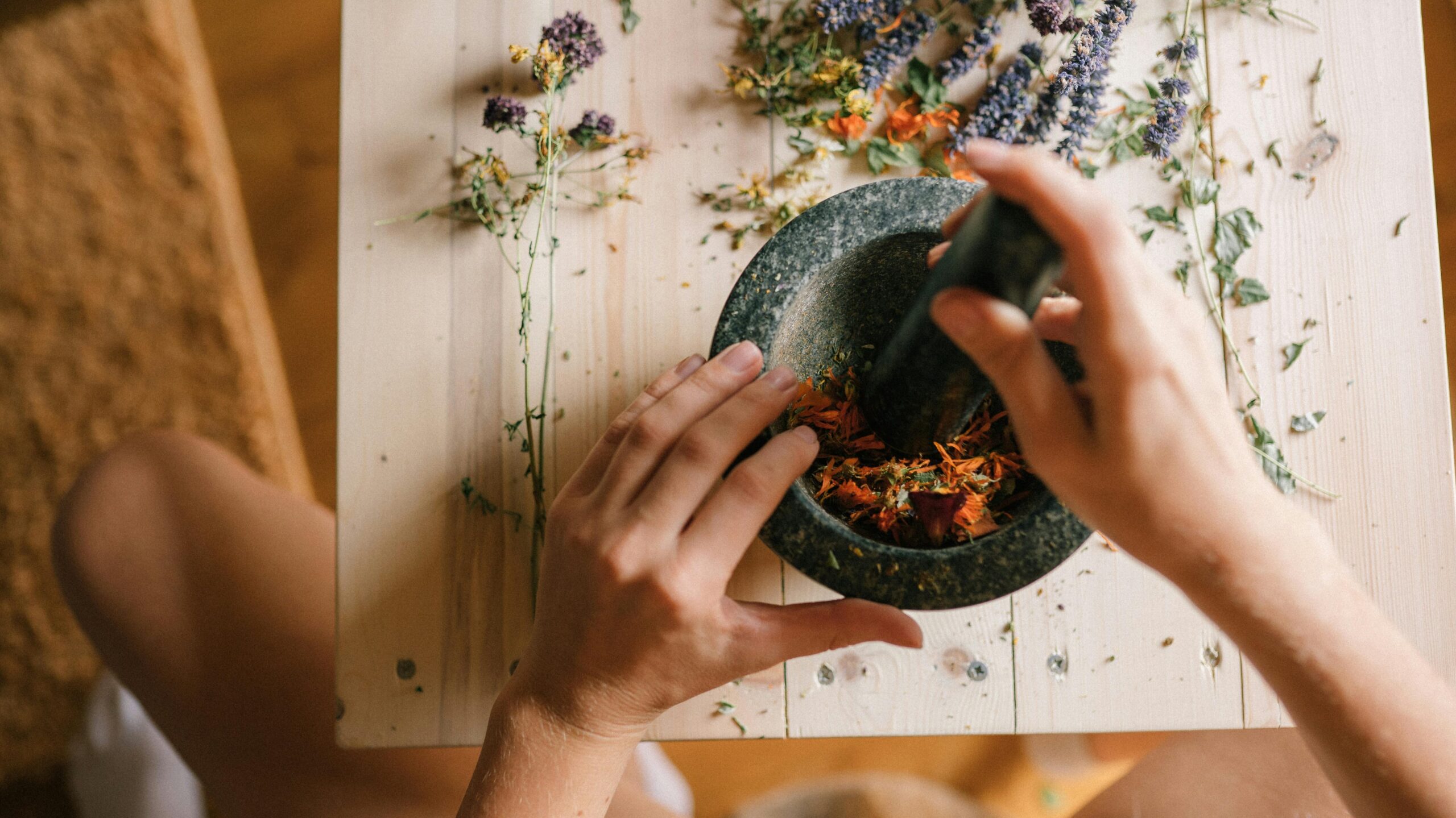
Yoga also fits naturally into this environment. Morning sessions, often in quiet, green surroundings, feel less like a routine and more like part of the experience. Even people who don’t usually practice yoga find themselves slowing down and getting into it.
What stands out is that this isn’t just luxury or indulgence. Many people come here for actual recovery—stress relief, detox, or just a break from fast-paced routines. And when done right, it leaves you feeling noticeably different, not just relaxed for a few hours.
Religious Places in Kerala
Kerala’s religious side doesn’t feel separate from daily life—it’s woven into it. As you travel, you’ll notice temples, churches, and mosques often standing close to each other, not as landmarks but as active spaces people visit regularly. It creates a sense of balance that feels natural rather than planned.
Places like Sabarimala draw thousands of devotees every year, especially during the pilgrimage season, and the energy around it is intense. On the other hand, the Padmanabhaswamy Temple in Trivandrum feels more structured and architectural, even for those who aren’t visiting purely for religious reasons.
Churches in places like Kochi reflect colonial influence, while mosques across the state show a strong connection to Kerala’s trading history. Each has its own identity, yet they all fit into the same landscape without conflict.
Even if you’re not religious, visiting these places gives you a better understanding of Kerala’s cultural depth. It’s less about rituals and more about seeing how different beliefs coexist so seamlessly in everyday life.
Kerala Beaches
Beaches in Kerala feel different from the usual crowded coastal spots. They’re calmer, less commercial, and more about unwinding than activity. You won’t find loud parties or packed shacks here. Instead, it’s quieter stretches, steady waves, and a pace that naturally slows you down after a busy itinerary.
Kovalam is more structured and easy to navigate, with Lighthouse Beach being the main hub. It’s clean, accessible, and has enough cafés and facilities without feeling overwhelming. You can spend hours here without needing a plan—just sit, walk, or watch the sea.
Varkala, on the other hand, has a completely different vibe because of its cliffside setting. Cafés lined along the edge offer uninterrupted views of the ocean, making even a simple walk feel memorable. It’s more relaxed, slightly offbeat, and perfect for people who prefer a quieter, more scenic experience.
What makes Kerala beaches stand out is not just how they look, but how they feel. They don’t demand your attention—they let you settle in at your own pace.
Houseboats & Backwaters Retreats in Kerala
Backwaters are at the heart of Kerala tourism, but the experience is very different from what most people imagine. It’s not about constant activity or sightseeing. Once you’re on a houseboat or in a backwater resort, everything slows down—the movement, the sound, even your own routine.
Houseboats move through narrow canals lined with coconut trees and small villages, giving you a glimpse of everyday life along the water. People often expect luxury by default, but the experience depends a lot on the type of boat you choose. A good one makes the journey comfortable, while a basic one can feel quite limited.
Staying overnight on a houseboat is something many travelers prefer because it allows you to experience the calm properly. Meals are usually prepared onboard, and sitting on the deck while the boat drifts slowly is often the highlight of the entire trip.
For those who don’t want to stay on a boat, backwater resorts offer a more stable and private alternative. You still get the same views and peaceful surroundings, but with better comfort and space.
In the end, backwaters are not about doing more—they’re about doing less, and enjoying it.
Forts, Palaces & Monuments in Kerala
Kerala’s forts and palaces don’t feel grand in the way you might see in Rajasthan, but they carry a quiet kind of history that grows on you. They’re not built to impress at first glance. Instead, they slowly reveal stories through architecture, surroundings, and small details you notice as you walk around.
Mattancherry Palace in Kochi is a good example. From the outside, it looks simple, but inside you’ll find murals and interiors that reflect Kerala’s royal past. It’s not a long visit, but it adds context to everything you see around Fort Kochi.
Bekal Fort, on the other hand, feels more open and scenic. Located along the coastline, it offers wide views of the sea rather than intricate interiors. Walking along its walls, especially during sunset, feels less like a history lesson and more like an experience.
These places don’t overwhelm you with information or crowds. They fit naturally into the journey, giving you a glimpse of Kerala’s past without slowing down your trip too much.
Fairs & Festivals in Kerala
Festivals in Kerala don’t feel like staged events—they feel like something the entire community lives through. There’s a certain energy in the air during these times, whether it’s in small towns or bigger cities. You don’t need to plan around them, but if your trip overlaps, the experience naturally becomes richer.
Onam is the biggest festival, and it goes beyond just celebration. Homes are decorated with floral patterns, traditional meals are served on banana leaves, and there’s a strong sense of togetherness. Even as a visitor, you can feel how personal the festival is for people here.
Temple festivals bring a completely different kind of intensity. Decorated elephants, traditional percussion music, and large gatherings create an atmosphere that feels both powerful and immersive. It can be overwhelming at first, but it leaves a lasting impression.
What makes Kerala’s festivals special is how rooted they are in tradition, yet still open for others to witness. You’re not just watching—you’re part of the environment around it.
Best Time to Visit in Kerala
Timing your Kerala trip makes a bigger difference than most people expect. The same place can feel completely different depending on the season—sometimes peaceful and pleasant, other times humid or crowded. It’s not just about weather, but how easily you can move around and actually enjoy each destination without feeling rushed or uncomfortable.
October to March (Peak Season – Best Overall Experience)
This is when Kerala feels the most balanced. The weather is comfortable, humidity is lower, and traveling between destinations becomes easier. Hill stations like Munnar feel fresh, and backwaters are enjoyable without extreme heat. January, in particular, is popular for travelers searching Places to visit in January, as the climate supports almost every kind of experience without discomfort.
April to June (Offbeat but Budget-Friendly)
These months are warmer, especially in lowland areas, but they come with fewer crowds and better deals on hotels and packages. Hill stations like Munnar and Wayanad still remain pleasant, which is why some travelers actually prefer this time. If you plan smartly and avoid peak afternoon travel, the experience can still be quite enjoyable.
July to September (Monsoon Season – Scenic but Unpredictable)
Monsoon changes the entire look of Kerala. Everything turns greener, waterfalls are at their peak, and the landscape feels more alive. But travel plans need flexibility because heavy rains can affect movement. This season works best for people who enjoy slow travel, nature, and don’t mind occasional disruptions.
How to Reach Kerala
Reaching Kerala is usually simple, but choosing the right entry point can make your trip much smoother. Most people don’t think about this part seriously, and later end up spending extra hours traveling internally. If your arrival city matches your itinerary, the whole journey feels more relaxed from the start.
By Air (Fastest & Most Preferred Option)
Kerala has three major airports—Kochi, Trivandrum, and Calicut. Kochi is the most common entry point because it connects well with popular destinations like Munnar and Alleppey. Flights from cities like Mumbai to Kerala are frequent, making it a convenient option for most travelers.
By Train (Budget-Friendly & Scenic)
Rail connectivity to Kerala is strong, with major stations like Ernakulam, Trivandrum, and Kozhikode connected to cities across India. Routes like Delhi to Kerala are available, though they take longer. Still, for those who prefer train journeys, it’s a comfortable and economical option.
By Road (Best for Nearby States)
Road travel works best if you’re coming from nearby states like Karnataka or Tamil Nadu. Highways are well maintained, and routes from cities like Bangalore offer a smooth driving experience. For longer distances, though, flights or trains are usually more practical.
Choosing the Right Entry Point
Most travelers prefer starting from Kochi because it fits naturally into common travel routes. If your plan includes southern beaches like Kovalam or Varkala, then Trivandrum makes more sense. A small decision here can save a lot of unnecessary travel later.
Conclusion
Kerala doesn’t work well as a rushed checklist. The experience depends a lot on how you plan your route and how much time you give yourself to actually slow down. When everything is spaced out properly, the trip feels smooth and refreshing. But when it’s rushed, it quickly starts feeling tiring instead of relaxing.
That’s where Kerala Travel & tourism really stands apart. It’s not just about covering places—it’s about how you experience them. A simple drive through tea gardens, a quiet evening by the backwaters, or even a relaxed meal can become the highlight if you’re not constantly in a hurry.
Many travelers try to fit too much into a short trip and end up missing what makes Kerala special. It’s not a destination where more places mean a better experience. In fact, doing less usually works better here.
If your expectations are clear and your plan is realistic, Kerala can easily become one of the most satisfying trips in India. The difference is not the destination—it’s the way you travel and how much you allow yourself to enjoy the journey.