
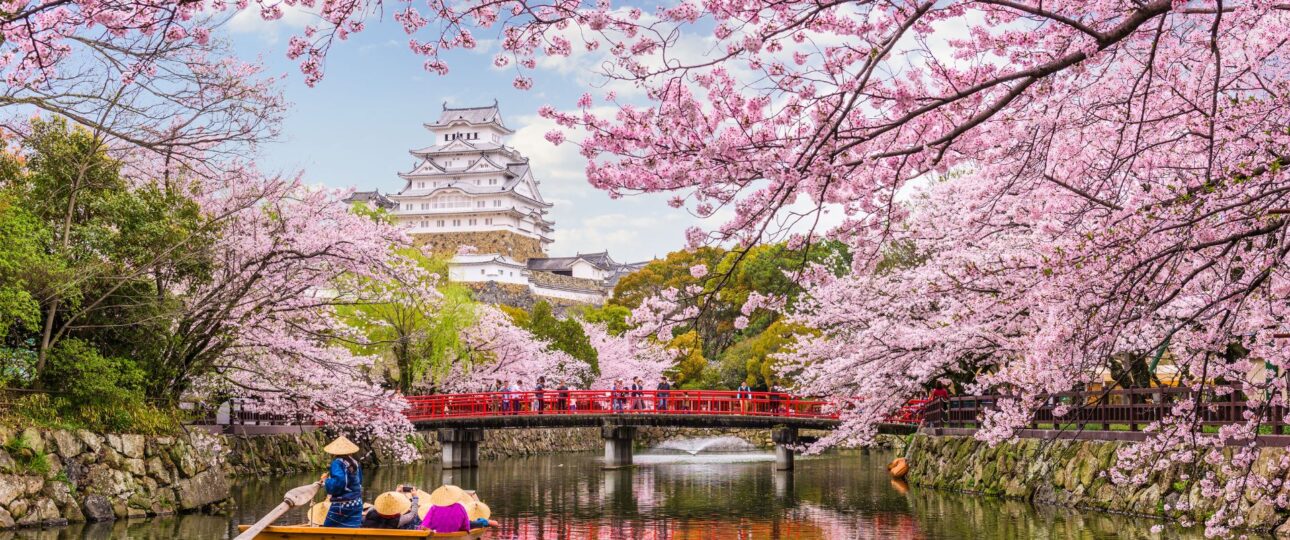
Japan feels like a country of beautifully balanced contrasts. You can admire centuries-old temples in the morning, witness cherry blossoms in full bloom by afternoon, and travel between cities on the world-famous bullet train by evening. This unique blend of tradition, nature, and modern efficiency is what makes Japan tour packages so popular among Indian travelers. With thoughtfully planned itineraries, visitors can explore cultural landmarks, regional cuisines, and advanced transport systems without the stress of coordination. Moreover, Japan also appeals to travelers seeking an offbeat Japan vacation, offering peaceful countryside towns, scenic landscapes, and authentic local experiences beyond the usual tourist circuit. Whether your interest lies in culture, food, seasonal beauty, or modern city life, Japan promises a journey that feels both enriching and effortless.
About Japan – A Brief History
Japan’s history spans thousands of years and is deeply rooted in mythology, imperial rule, and cultural continuity. According to tradition, Japan was founded in 660 BC, making its imperial lineage one of the oldest in the world. Over centuries, Japan evolved through distinct eras, including the classical Heian period, the feudal age dominated by samurai and shoguns, and the isolationist Edo period.
However, the Meiji Restoration in the late 19th century transformed Japan rapidly into a modern industrial nation. Despite facing devastation during World War II, Japan rebuilt itself with remarkable resilience. As a result, it emerged as a global economic and technological powerhouse while preserving its cultural identity. Today, Japan’s history is visible everywhere—from ancient shrines and castles to customs, festivals, and daily etiquette.
Japan Tour Cost from India – What to Expect & Price Overview
Planning a trip to Japan often starts with understanding the cost. Our Japan tour Packages From India are designed to offer clear, upfront pricing so you know exactly what to expect before you book. The final tour cost may vary depending on travel season, hotel category, and trip duration, but we focus on transparency with no hidden surprises. Whether you’re looking for a short Japan getaway or a longer multi-country itinerary, our packages are flexible, customizable, and built to match different travel styles and budgets.
| Package Name | Duration | Starting Price* |
|---|---|---|
| Japan Tour Package | 5 Days | ₹1,30,000 (Flights & Visa Additional) |
| Japan Cherry Blossom group Tour | 8 Days | ₹1,65,000 (Flights & Visa Additional) |
| Japan–Korea Tour | 8 Days | ₹1,45,000 (Flights & Visa Additional) |
| Japan–Korea Extended Tour | 12 Days | ₹2,45,000 (Flights & Visa Additional) |
*Prices may vary based on season, hotel category, and availability.
All Japan trip packages are customizable with flexible travel dates and upgrade options.
Must Follow Tips to Know Before Travelling to Japan
Japan is incredibly easy to travel around, yet it operates on a strong sense of discipline and cultural etiquette that first-time visitors may not expect. As a travel consultant, I often tell families that understanding these small details before arrival makes the entire journey smoother and far more enjoyable. This is especially important when planning Japan tour packages for family, where comfort, clarity, and stress-free movement matter most. From punctual trains to quiet public spaces, everyday life in Japan reflects respect, order, and consideration for others. Once you’re aware of these norms, navigating the country feels effortless—and you begin to appreciate Japan beyond just sightseeing.
Key tips to remember:
- Carry cash, as small shops may not accept cards
- Learn basic etiquette such as bowing and queue discipline
- Public transport is extremely punctual—always be on time
- English is limited outside major cities, so translation apps are helpful
- Follow rules strictly, especially in public and transport areas
- Tipping is not customary and may cause confusion
Being prepared for these cultural nuances ensures a smooth, respectful, and enjoyable travel experience across Japan.an.
Japan at a Glance (Quick Facts)
| Category | Details |
|---|---|
| Country | Japan |
| Capital | Tokyo |
| Currency | Japanese Yen (JPY) |
| Language | Japanese |
| Time Zone | JST (UTC +9) |
| Visa | Required for Indian passport holders |
| Best Connectivity | Extensive rail & metro network |
| Electricity | 100V, Type A/B plugs |
| Safety | One of the safest countries globally |
Top Reasons to Visit Japan
When we first started planning trips to Japan for our travelers, one thing became very clear—no two days in Japan ever feel the same. One moment you’re walking through a centuries-old temple, and the next you’re watching a bullet train glide past with second-perfect timing. Over the years, this contrast is exactly why our guests keep choosing Japan tour packages again and again. Japan isn’t just about ticking landmarks off a list; it’s about how smoothly everything works, how safe you feel even late at night, and how deeply rooted the culture is in everyday life. From food that surprises you at every meal to cities and countryside that feel equally memorable, Japan offers a travel experience that stays with you long after you return home.
1. UNESCO World Heritage Sites
One of the first things our travelers notice in Japan is how well the country protects its history. When you walk through ancient temples in Kyoto, it doesn’t feel like a monument frozen in time—it feels alive. Similarly, the Peace Memorial in Hiroshima tells a powerful story of loss, strength, and rebuilding. These UNESCO sites are not rushed attractions; they are places where stories are respected and preserved. Over the years, we’ve seen travelers slow down here, reflect more, and truly understand Japan’s past rather than just photographing it.
2. Traditional Arts & Culture
In Japan, culture isn’t something you visit—it’s something you experience daily. You might see a tea ceremony taking place quietly in a small room or notice the precision of a flower arrangement in a local shop. Arts like calligraphy, kabuki theatre, and ikebana are still practiced with pride. What makes this special for travelers is participation. When guests try these experiences themselves, even briefly, it creates a deeper connection. That’s when Japan stops feeling foreign and starts feeling familiar in the most beautiful way.
3. Safety and Cleanliness
Many travelers tell us they feel relaxed in Japan from day one—and safety is a big reason why. Trains run on time, streets are orderly, and even late at night, cities feel calm and secure. Cleanliness isn’t enforced loudly; it’s simply part of daily life. People take responsibility for shared spaces, and that respect is contagious. This sense of order makes Japan especially comfortable for families, senior travelers, and first-time international visitors who want peace of mind throughout their journey.
4. Mouthwatering Cuisine
Food in Japan is never just about eating—it’s about experience. A simple bowl of ramen can feel as carefully prepared as a fine-dining meal. Every region has its own flavours, and meals change with the seasons. What surprises many travelers is how consistently good the food is, whether it’s from a small local shop or a Michelin-star restaurant. Over time, we’ve learned that food often becomes the most talked-about memory when people return from Japan.
5. Technological Marvels
Japan shows you the future without making it feel overwhelming. Riding the bullet train, using smart transport systems, or seeing robotics in action feels effortless rather than intimidating. What makes it special is that modern technology never replaces tradition—it quietly supports it. This balance is something travelers notice throughout their Japan travel itinerary, making movement between cities smooth while still feeling deeply cultural.
6. Scenic Natural Beauty
Despite its modern image, Japan is incredibly close to nature. One day you’re surrounded by city lights, and the next you’re walking past cherry blossom trees, mountain views, or relaxing in a hot spring. Nature isn’t far away—it’s woven into daily life. This is why many japan holiday packages feel so well-balanced, combining cities, culture, and peaceful landscapes without long travel gaps. Japan gives you space to explore and space to breathe, all in one trip.
Best Time to Visit Japan
When we help travellers plan Japan, the first thing we discuss is when they want to travel—not just for the weather, but for the overall experience. Some travellers dream of the cherry blossom season, while others prefer fewer crowds, slower travel days, or better value. For guests booking Japan group tour packages, timing plays a big role in hotel availability, sightseeing pace, and overall comfort. Japan changes beautifully with every season, and choosing the right one ensures your trip feels enjoyable rather than rushed.
| Season | Months | What to Expect | Why Choose This Season | Planning Notes |
|---|---|---|---|---|
| Spring | March – May | Cool weather, cherry blossoms, fresh landscapes | Ideal for first-time visitors and photographers | Most popular season, hotels and tours book early |
| Summer | June – August | Warm, humid days, lively festivals | Cultural events and local experiences | Early summer rains, mid-summer heat in cities |
| Autumn | September – November | Pleasant temperatures, colourful leaves | Comfortable sightseeing and scenic travel | High demand, but less crowded than spring |
| Winter | December – February | Cold weather, snow in northern regions | Snow activities, hot springs, quieter cities | Shorter days, colder temperatures |
From our experience, there is no “wrong” time to visit Japan—only the right time based on what you want from the trip. Whether you’re looking for seasonal beauty, relaxed sightseeing, or value-driven travel, planning the season wisely makes a noticeable difference to the overall journey.
Top Things to Do in Japan
When we plan Japan trips for our travellers, the focus is never just on “what to see” but on what the journey should feel like. Japan isn’t a destination where you rush from one attraction to another. It’s about moments—riding a bullet train that runs to the second, slowing down inside a quiet temple, tasting food that surprises you every single day. This is why well-designed Japan holiday packages work so well—they allow travellers to experience the country naturally, without overpacking the itinerary. Whether it’s your first visit or a return trip, Japan offers activities that feel authentic, balanced, and thoughtfully woven into everyday life rather than staged for tourists.
1. Ride the Shinkansen (Bullet Train)
For many of our travellers, the Shinkansen becomes one of the most memorable parts of the trip. It’s not just about speed—it’s about how smooth, quiet, and perfectly timed everything feels. Watching cities, countryside, and mountains pass by from your seat gives you a real sense of how efficiently Japan works. On certain routes, catching a glimpse of Mount Fuji from the train window feels like a bonus moment you didn’t plan for. Long journeys never feel tiring here, which makes travelling between cities surprisingly enjoyable.
2. Participate in a Tea Ceremony
A tea ceremony is one of those experiences that gently slows you down in Japan. It’s calm, graceful, and deeply rooted in tradition. Travellers often tell us they didn’t expect such a simple ritual to feel so meaningful. When you sit quietly, observe the movements, and take part yourself, you begin to understand Japan’s focus on respect and mindfulness. It’s not rushed, and that’s exactly what makes it special.
3. Explore Temples & Shrines
Temples and shrines in Japan aren’t crowded attractions—they’re living spaces of faith and tradition. Some are grand and impressive, while others are tucked away in forests or neighbourhoods. As you walk through them, you’ll notice locals praying, writing wishes, or simply sitting quietly. These moments give travellers a deeper understanding of daily life in Japan, not just its history. It’s often here that people feel most connected to the country.
4. Climb or View Mount Fuji
Mount Fuji has a presence that’s hard to explain until you see it yourself. Even from a distance, it commands attention. While climbing is only possible during specific months, most travellers enjoy viewing it from nearby lakes, towns, or even during train journeys. The surrounding areas offer peaceful walks, cultural spots, and scenic viewpoints. Seeing Mount Fuji in person often becomes one of those “this is Japan” moments people remember long after the trip.
5. Enjoy Nightlife in Major Cities
Japan’s cities take on a completely different personality after sunset. Streets light up, food stalls open, and neighbourhoods like Shibuya and Shinjuku come alive. What surprises most travellers is how safe and organized everything still feels, even late at night. You can explore freely, try late-night food, or simply walk through neon-lit streets soaking in the atmosphere. It’s energetic without being overwhelming.
6. Relax in an Onsen (Hot Spring)
After days of walking and sightseeing, an onsen experience feels like a reward. These natural hot springs are deeply connected to Japanese wellness culture. Many are located in quiet mountain towns or scenic lakeside areas, making the experience even more relaxing. While there are a few etiquette rules, once you settle in, the calm takes over. Travellers often say this is where they truly unwind during their Japan journey.
Best Must-Visit Cities in Japan
When we design japan tour packages, we always tell travellers that Japan is not a country you experience through just one or two cities. Tokyo and Kyoto may be where the journey begins, but the real character of Japan reveals itself as you move across regions. Some cities are energetic and food-driven, others feel deeply spiritual, while a few offer calm, scenic escapes. Thanks to Japan’s excellent rail connectivity, moving between cities is easy and never exhausting. By choosing the right mix of destinations, the trip feels balanced, unhurried, and far more rewarding than following a fixed, one-city route.
Osaka – Where Food, Fun, and Local Life Come Together
When we include Osaka in our itineraries, it’s usually because travellers want to see a more relaxed, fun-loving side of Japan. Osaka feels instantly welcoming—locals are friendly, conversations are louder, and food is everywhere. This is the city where you eat while walking, laugh a little louder, and stop worrying about formalities. For guests booking Japan customized tour packages, Osaka adds balance to the journey, especially after the quieter pace of Kyoto.
From late-night street food in Dotonbori to easy day trips to Nara and Kobe, Osaka works perfectly as a base city. Add landmarks like Osaka Castle and busy shopping streets, and you get a destination that feels lively without being overwhelming—exactly what many travellers enjoy most.
Hiroshima – A City of Reflection, Strength, and Renewal
Hiroshima is a place that leaves a lasting impression on almost every traveller who visits. When we plan japan trips, we often recommend Hiroshima not just for its history, but for how thoughtfully the city has rebuilt itself. A walk through the Peace Memorial Park and a visit to the Atomic Bomb Dome quietly tell the story of loss, resilience, and hope without overwhelming the visitor.
At the same time, Hiroshima today feels calm, green, and full of life. Local food, especially Hiroshima-style okonomiyaki, brings warmth to the experience, while a short trip to Miyajima Island adds a spiritual and scenic touch. Together, these moments make Hiroshima both meaningful and uplifting, offering depth beyond typical sightseeing.
Nara – Where History Feels Calm and Personal
Nara is the kind of place we suggest to travellers who want to slow down and experience Japan at a gentler pace. As Japan’s first permanent capital, the city carries deep historical and spiritual significance, yet it never feels crowded or rushed. Walking through Nara Park, where deer move freely among visitors, feels surprisingly peaceful and almost surreal.
The temples here, including the famous Todai-ji with its enormous Buddha statue, are not just landmarks—they feel like living parts of the city. Compared to nearby Kyoto, Nara is quieter and more reflective, making it perfect for travellers who enjoy history, spirituality, and calm moments woven naturally into their journey.
Hakone – A Peaceful Escape into Nature and Wellness
Hakone is where we usually slow the pace of the journey, especially for travellers coming on a japan trip from india who want a break from busy cities. Known for its hot springs and scenic landscapes, Hakone offers a very different side of Japan—quiet, calm, and refreshing. Staying in a traditional ryokan, soaking in an onsen, and waking up to views of mountains or Lake Ashi feels deeply relaxing after days of sightseeing.
On clear days, Mount Fuji reveals itself in full view from nearby lookout points, often becoming one of the most memorable moments of the trip. With experiences like the Hakone Ropeway and open-air museums, the town offers just enough to explore without feeling rushed, making it ideal for unwinding and reconnecting with nature.
Sapporo – Snow, Space, and a Slower Rhythm of Japan
Sapporo is the city we recommend when travellers want to see a very different side of Japan. Located in Hokkaido, it feels more open, spacious, and relaxed compared to the busy cities of Honshu. During winter, Sapporo truly comes alive with snow-covered streets, skiing experiences, and the world-famous Snow Festival that draws visitors from around the globe.
Beyond winter, the city is loved for its fresh seafood, comforting bowls of miso ramen, and strong beer culture. Wide roads, open parks, and easy access to nature give Sapporo a calmer pace, making it ideal for travellers who enjoy outdoor experiences, seasonal travel, and a less crowded urban environment.
Food to Try in Japan
When we talk to travellers returning from Japan, food is almost always the first thing they mention. Japanese cuisine goes far beyond eating—it reflects the country’s respect for ingredients, seasons, and thoughtful preparation. Every meal, whether enjoyed at a small street stall or a traditional restaurant, feels carefully crafted rather than rushed. One of the most interesting parts of travelling on japan tour packages from india is noticing how the same dish can taste completely different from one region to another. Each area takes pride in its local flavours and methods, which adds variety and surprise to every meal. Exploring Japanese food becomes a natural way to understand the country’s culture, traditions, and everyday life.
1. Sushi
Sushi is Japan’s most iconic culinary export, yet tasting it in Japan is an entirely different experience. Freshness is paramount, with seafood often sourced daily from local markets. Moreover, sushi is not just about raw fish—it’s a careful balance of rice texture, seasoning, temperature, and knife skills. From casual conveyor-belt sushi to high-end omakase counters, every style highlights craftsmanship and respect for ingredients. As a result, sushi in Japan feels refined, clean, and deeply satisfying.
2. Ramen
Ramen is Japan’s ultimate comfort food, enjoyed by locals at all hours of the day. Each region offers its own variation, defined by broth type, noodles, and toppings. For example, you may find rich pork-based tonkotsu ramen in one city and lighter soy-based broths in another. Moreover, ramen shops often specialize in just one style, perfecting it over decades. Therefore, trying ramen in different cities becomes a delicious journey in itself.
3. Tempura
Tempura showcases Japan’s mastery of simplicity. Lightly battered seafood and vegetables are fried quickly to maintain freshness and texture. Unlike heavy fried food elsewhere, tempura is crisp, airy, and never greasy. Moreover, ingredients change with the seasons, highlighting vegetables, shrimp, or fish at their peak. Served with dipping sauce or salt, tempura is commonly enjoyed as part of a meal or in specialized restaurants, offering elegance through minimalism.
4. Takoyaki
Takoyaki is one of Japan’s most beloved street foods, especially associated with Osaka. These bite-sized balls are made from batter filled with octopus pieces, then cooked in special molds until crispy outside and soft inside. Moreover, they are topped with savory sauce, mayonnaise, bonito flakes, and seaweed powder. Eating takoyaki fresh off the grill is an experience in itself, making it a must-try snack while exploring bustling food streets.
5. Okonomiyaki
Often described as a savory pancake, okonomiyaki is a hearty and customizable dish. It typically includes batter, cabbage, eggs, and various fillings like pork, seafood, or cheese. However, regional styles differ—Osaka-style mixes ingredients together, while Hiroshima-style layers them with noodles. Moreover, many restaurants let you cook it yourself on a hot plate, turning the meal into a fun, interactive experience.
6. Matcha Desserts
Matcha, or powdered green tea, is deeply rooted in Japanese culture and tea ceremonies. Today, it features prominently in desserts such as ice cream, cakes, parfaits, and mochi. The flavor balances bitterness and sweetness, creating a refined taste that is never overpowering. Moreover, matcha desserts are often beautifully presented, making them as visually pleasing as they are delicious. They offer a perfect end to a Japanese meal.
7. Udon & Soba
Udon and soba are traditional Japanese noodles enjoyed hot in winter and cold in summer. Udon noodles are thick and chewy, while soba noodles are thinner and made from buckwheat, offering a nutty flavor. Moreover, they are commonly served in light broths or with dipping sauces, allowing the noodles to shine. Simple yet nourishing, these dishes reflect Japan’s appreciation for balance, texture, and seasonal eating.
Shopping in Japan – What to Buy & Why It’s Special
When we plan trips, shopping isn’t just a side activity—it’s a way people connect with the place and take home something truly memorable. In Japan, that connection is especially strong because shops, markets, and malls feel like part of the culture, not just a tourist stop. Whether you’re exploring sleek electronics districts, traditional markets, or stylish boutiques, you notice the same thread: care, precision, and helpful service.
For travellers on Japan travel packages, this makes shopping both enjoyable and meaningful. You can find items rooted in centuries of craft alongside the latest innovations, all in one city or even in one building. The variety is huge—from luxury brands to local treasures—so there’s something for every style and budget. That mix of tradition and modernity is exactly what many guests remember most after they return home.
[Official guides also highlight Japan’s wide range of shopping options—luxury to bargain—across department stores, malls, and specialty areas—reinforcing how integral shopping is to the travel experience.
1. Electronics
Japan is a global leader in electronics, especially cameras, audio equipment, and gadgets. Stores are well-organized, staff are knowledgeable, and products are often released here before other markets. Moreover, electronics are known for durability and innovation. Travelers interested in photography or tech will find excellent options, often with tax-free benefits for tourists, making electronics a smart and valuable purchase.
2. Skincare & Beauty Products
Japanese skincare is highly respected worldwide for its research-driven formulas and gentle, effective ingredients. Products focus on hydration, sun protection, and long-term skin health rather than quick fixes. Moreover, many brands are affordable yet high quality, available in drugstores across the country. As a result, travelers often stock up on cleansers, sunscreens, sheet masks, and lotions that are hard to find elsewhere.
3. Traditional Clothing (Kimono & Yukata)
Kimono and yukata beautifully represent Japan’s centuries-old traditions and sense of cultural identity. While formal kimono can be expensive, lighter cotton yukata are affordable and easy to wear. Moreover, these garments make meaningful souvenirs, representing Japanese tradition and craftsmanship. Many shops also sell accessories like obi belts and fans, allowing travelers to bring home a piece of Japan’s cultural heritage.
4. Anime & Pop-Culture Merchandise
Japan is the heart of global anime and manga culture. From figures and collectibles to clothing and limited-edition items, the variety is unmatched. Moreover, specialty stores cater to both casual fans and serious collectors. As a result, anime merchandise shopping becomes an exciting treasure hunt, especially for travelers passionate about Japanese pop culture.
5. Stationery
Japanese stationery is famous for combining aesthetics with functionality. Pens, notebooks, planners, and art supplies are thoughtfully designed and extremely durable. Moreover, many items feature minimalist designs or cute characters, making them perfect gifts. Even travelers who don’t usually shop for stationery often leave Japan pleasantly surprised by the quality and creativity.
6. Ceramics & Tableware
Japanese ceramics reflect regional styles, natural materials, and traditional techniques. Bowls, plates, tea cups, and sake sets are often handcrafted and one-of-a-kind. Moreover, they are both decorative and practical, fitting easily into everyday use. Purchasing ceramics allows travelers to bring home an authentic piece of Japanese artistry and craftsmanship.
7. Snacks & Sweets
Japanese snacks are ideal souvenirs due to their quality packaging and unique flavors. From regional sweets and matcha treats to innovative chocolates and crackers, the options are endless. Moreover, many snacks are available only in specific regions, making them special gifts. Therefore, edible souvenirs are a popular and delightful way to share Japan with friends and family.
FAQs – Japan Tour Packages
Q1. Are Japan tour packages expensive?
Japan tour packages can be tailored to suit mid-range as well as premium budgets. Costs mainly depend on travel season, hotel category, cities covered, and inclusions like trains or experiences. With smart planning, Japan can be surprisingly good value.
Q2. Is Japan suitable for first-time international travelers?
Yes, Japan is one of the best countries for first-time international travelers. It is extremely safe, well-organized, and efficient, with excellent public transport and clear signage in major tourist areas.
Q3. Do I need a visa for Japan?
Yes, Indian passport holders must apply for a tourist visa before travelling. The process is straightforward, especially when booking through a tour operator who assists with documentation and appointment scheduling.
Q4. Is vegetarian food available in Japan?
Vegetarian food is available, especially in major cities, though options may be limited in smaller towns. Many travelers prefer pre-planned meals or accommodations when booking Japan packages for couples or families with dietary preferences.
Q5. How many days are ideal for Japan?
A 7–10 day itinerary is ideal for first-time visitors, covering Tokyo, Kyoto, Osaka, and nearby attractions. Longer trips allow you to explore regional destinations or plan an offbeat Japan vacation beyond the usual tourist trail.
Q6. Can I customize my itinerary?
Yes, most tour operators offer customizable itineraries. You can adjust city stays, hotel types, experiences, and pacing based on your travel style, whether you prefer culture, food, shopping, or relaxation.
Q7. Is Japan good for elderly travelers?
Absolutely. Japan’s infrastructure is senior-friendly, with clean public transport, elevators, clear walking paths, and excellent healthcare facilities, making travel comfortable and stress-free for older travelers.
Q8. Are flights included in Japan tour packages?
It depends on the package type. Some include international flights, while others are land-only. Many travelers choose flexible options based on departure city, airline preference, and budget.
Q9. Is language a barrier in Japan
While Japanese is the primary language, basic English is understood in hotels, train stations, and tourist areas. Translation apps and visual signage make communication manageable even in non-English-speaking regions.
Q10. When should I book Japan tour packages in advance?
It’s best to book 3–4 months in advance, especially for cherry blossom season and autumn. Early booking ensures better hotel availability, smoother visa processing, and more choice in itineraries and pricing
Conclusion
Japan is a destination that rewards every traveler with unforgettable experiences, cultural depth, and seamless travel infrastructure. Well-designed Japan tour packages remove complexity while maximizing comfort, coverage, and authenticity. From historic cities and culinary adventures to scenic landscapes and modern marvels, Japan caters to diverse travel styles and age groups. Therefore, whether it’s your first visit or a return journey, thoughtful planning ensures you experience Japan beyond surface-level tourism. With the right itinerary and season, Japan becomes not just a trip—but a lifelong memory.